What to Do in Bordeaux in March
March is one of the most quietly beautiful months to experience Bordeaux. Winter begins to fade, terraces slowly reopen, and the elegant streets of the historic centre return to life as the first signs of spring appear. Travellers arriving at this time of year discover a city that feels relaxed and authentic, where the famous limestone architecture glows softly in the changing light, and locals reclaim the riverfront after the colder months.
For visitors wondering what to do in Bordeaux in March, the answer lies in the balance between culture, food, architecture, and outdoor exploration. The city does not yet carry the heavy crowds of summer, which means museums feel calmer, restaurants offer easier reservations, and the atmosphere invites slow exploration.
One of the most rewarding ways to begin discovering the city is by joining a Bordeaux Free Walking Tour. Walking through Bordeaux with a knowledgeable guide helps visitors understand the layers of history behind its grand squares, hidden streets, and remarkable architecture. From medieval foundations to the elegant urban redesign of the eighteenth century, Bordeaux reveals its story best when experienced on foot.
March also offers a fascinating glimpse into the rhythm of daily life in the city. Cafés fill gradually during sunny afternoons, markets display the first seasonal produce of spring, and the riverfront becomes lively again with joggers, cyclists, and families enjoying the milder weather.
Understanding Bordeaux in March
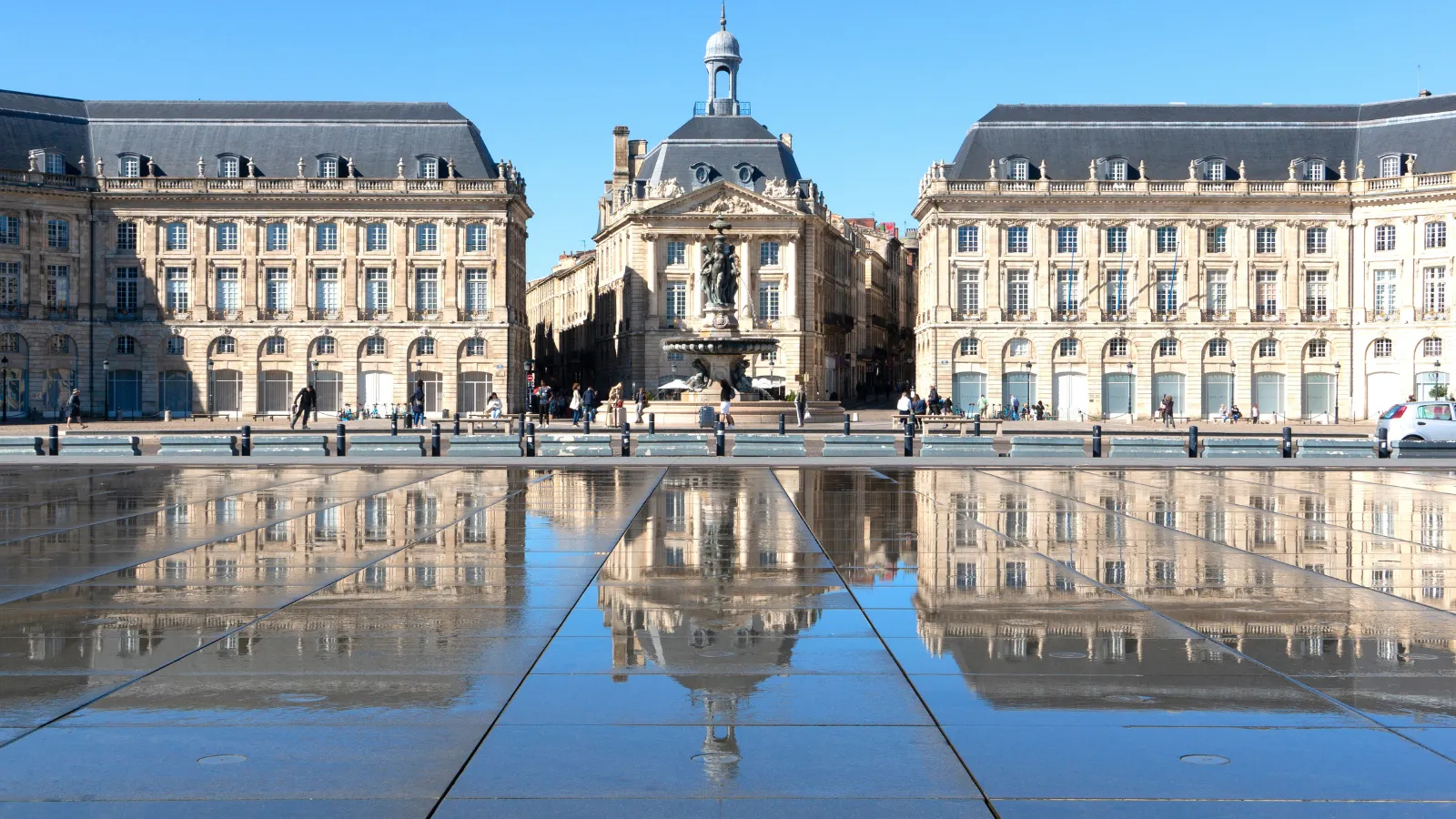
Before planning activities, it helps to understand the atmosphere of Bordeaux in March. The city sits close to the Atlantic Ocean, which gives it a relatively mild climate compared with other French regions. Winter rain begins to fade, daylight stretches longer into the evening, and temperatures often reach between 12°C and 17°C.
This transitional period creates ideal conditions for walking and sightseeing. The historic centre is particularly enjoyable during this time because the streets feel spacious and peaceful, allowing visitors to absorb the beauty of the city without the intense crowds that arrive later in spring.
Travellers frequently discover that exploring Bordeaux on foot is the most rewarding way to experience its architecture and hidden corners. Many visitors planning their trip naturally wonder if Bordeaux is walkable, and the answer becomes clear within minutes of arriving. Wide pedestrian streets, elegant squares, and riverfront promenades make Bordeaux one of the most pleasant cities in France for walking.
Exploring the Historic Centre
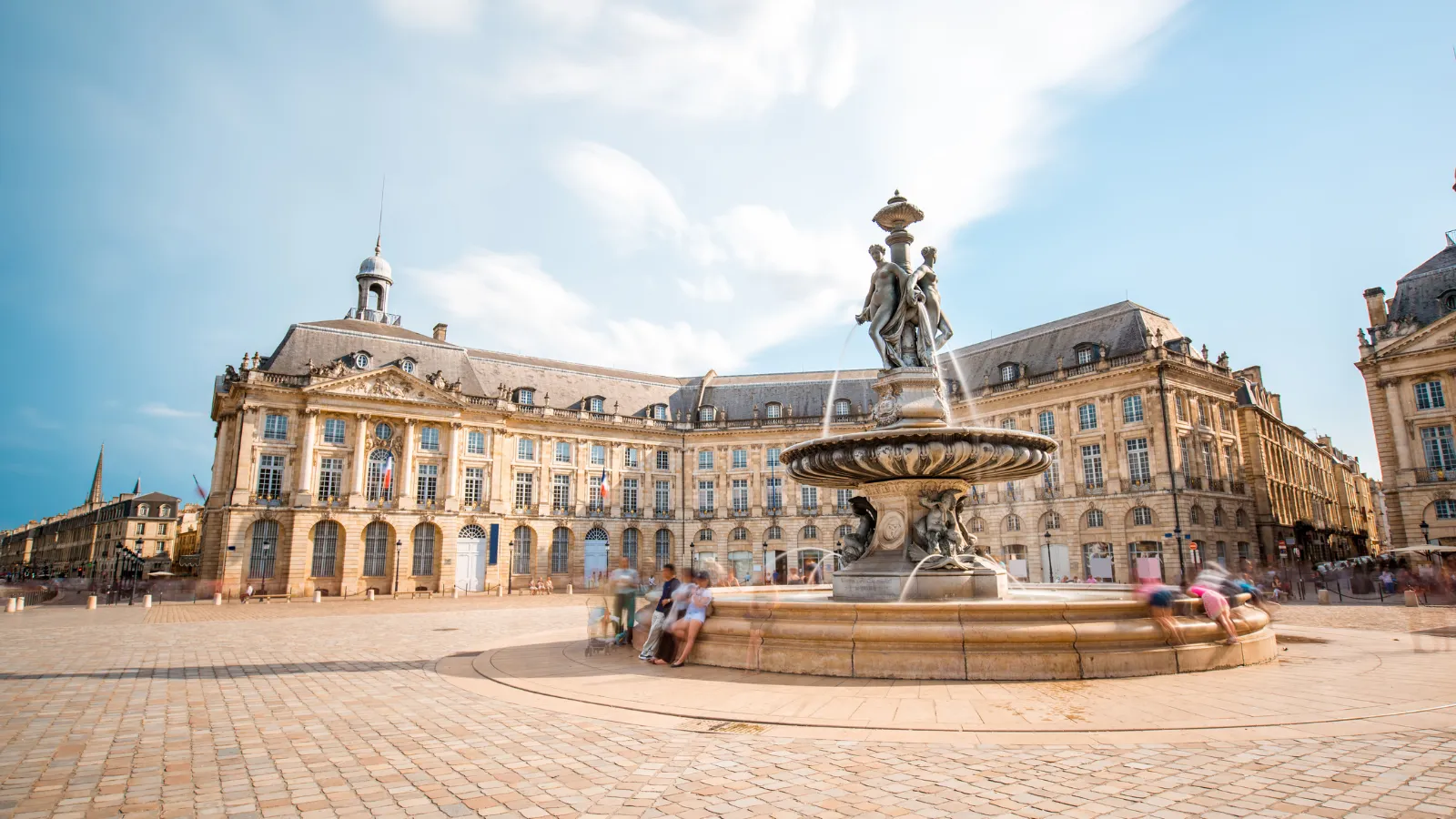
The historic centre of Bordeaux is one of Europe’s largest protected urban areas and forms the heart of the city’s UNESCO World Heritage designation. Much of its beauty comes from the consistency of its architecture. Long rows of eighteenth-century buildings constructed from pale limestone create the distinctive golden appearance that Bordeaux is famous for.
Walking through the city in March feels particularly atmospheric. The softer spring light enhances the colour of the stone façades, while the quieter streets allow visitors to notice details that might otherwise be missed.
Elegant balconies decorated with wrought iron overlook broad avenues, wooden doors conceal hidden courtyards, and small cafés appear at almost every corner. This architectural harmony is the result of a large urban transformation that took place in the eighteenth century when Bordeaux expanded rapidly as one of Europe’s most important trading ports.
A visit to the historic centre often begins near the river, where one of the city’s most iconic landmarks stands proudly.
The Beauty of Place de la Bourse
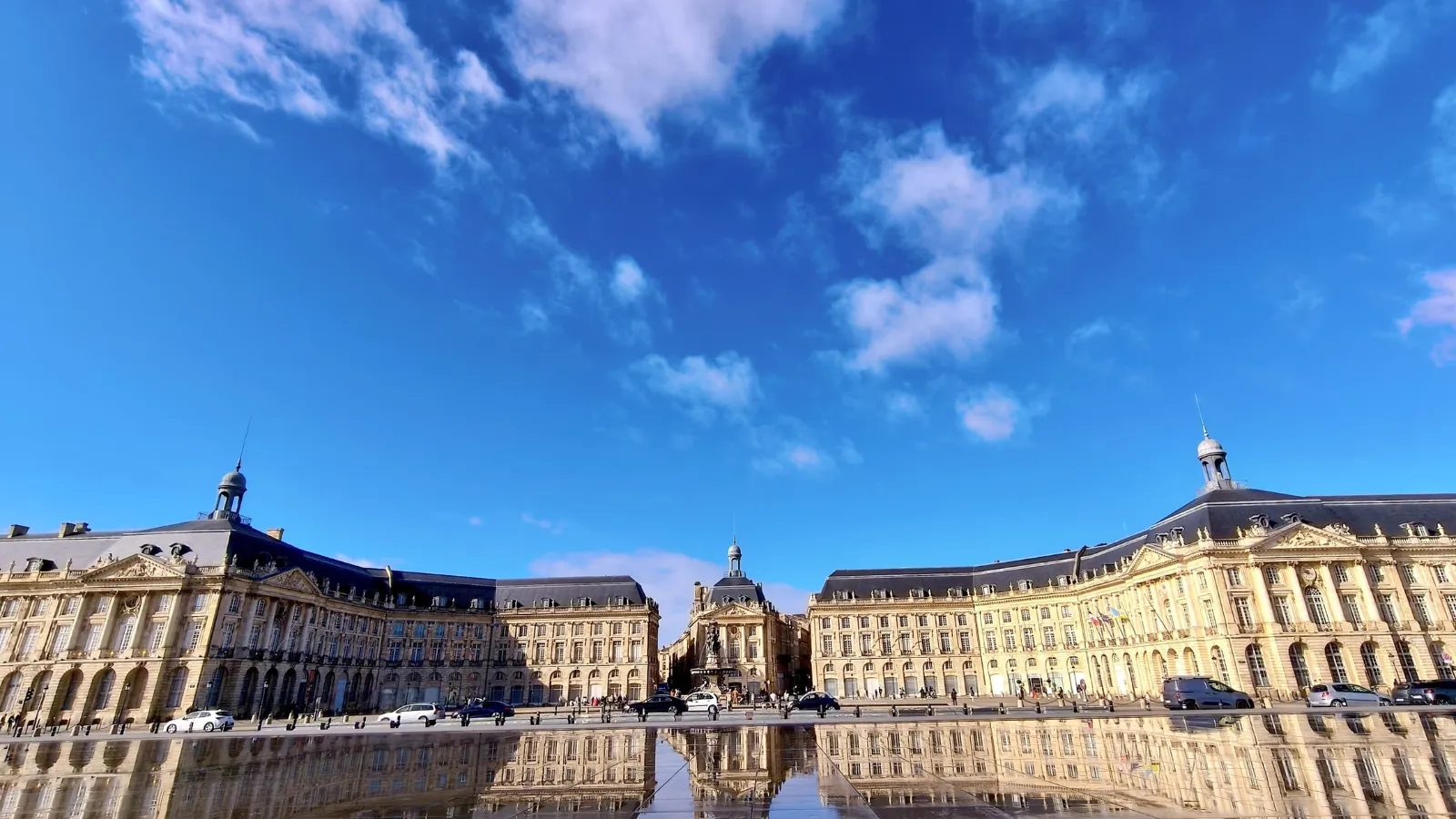
Few locations capture the elegance of Bordeaux more perfectly than Place de la Bourse in Bordeaux. Built during the eighteenth century, this monumental square symbolized the city’s prosperity and connection to international trade.
Standing here in March feels particularly special. Without the intense summer crowds, visitors can appreciate the symmetry of the buildings and the quiet grandeur of the architecture. The square opens directly toward the Garonne River, creating one of the most recognizable views in the entire city.
In front of the square lies the famous reflecting pool, often referred to as the Miroir d’Eau. When the water is still, the buildings reflect perfectly on its surface, creating one of the most photographed scenes in Bordeaux.
During spring afternoons, the square becomes lively with locals walking, photographers capturing the reflections, and travellers simply enjoying the atmosphere.
Walking Along the Garonne River
The Garonne River has always shaped the identity of Bordeaux. For centuries, it served as the gateway connecting the city to the Atlantic Ocean and the wider world. Ships once carried barrels of Bordeaux wine from these quays to distant markets across Europe and the Americas.
Today, the riverfront has been transformed into one of the most beautiful public spaces in France. Wide promenades stretch along the river, lined with gardens, cafés, and cycling paths.
March is an ideal moment to explore this area. The temperature is comfortable for long walks, and the soft sunlight reflecting off the water creates a peaceful atmosphere. Locals gather along the river to exercise, meet friends, or simply enjoy the first pleasant days of spring.
Following the quays reveals many of Bordeaux’s most impressive landmarks, including historic bridges, grand public squares, and modern cultural buildings that illustrate how the city continues to evolve.
Visiting the Cité du Vin
Wine is inseparable from the identity of Bordeaux. The surrounding vineyards produce some of the most famous wines in the world, and the city itself has served as the commercial heart of the Bordeaux wine region for centuries.
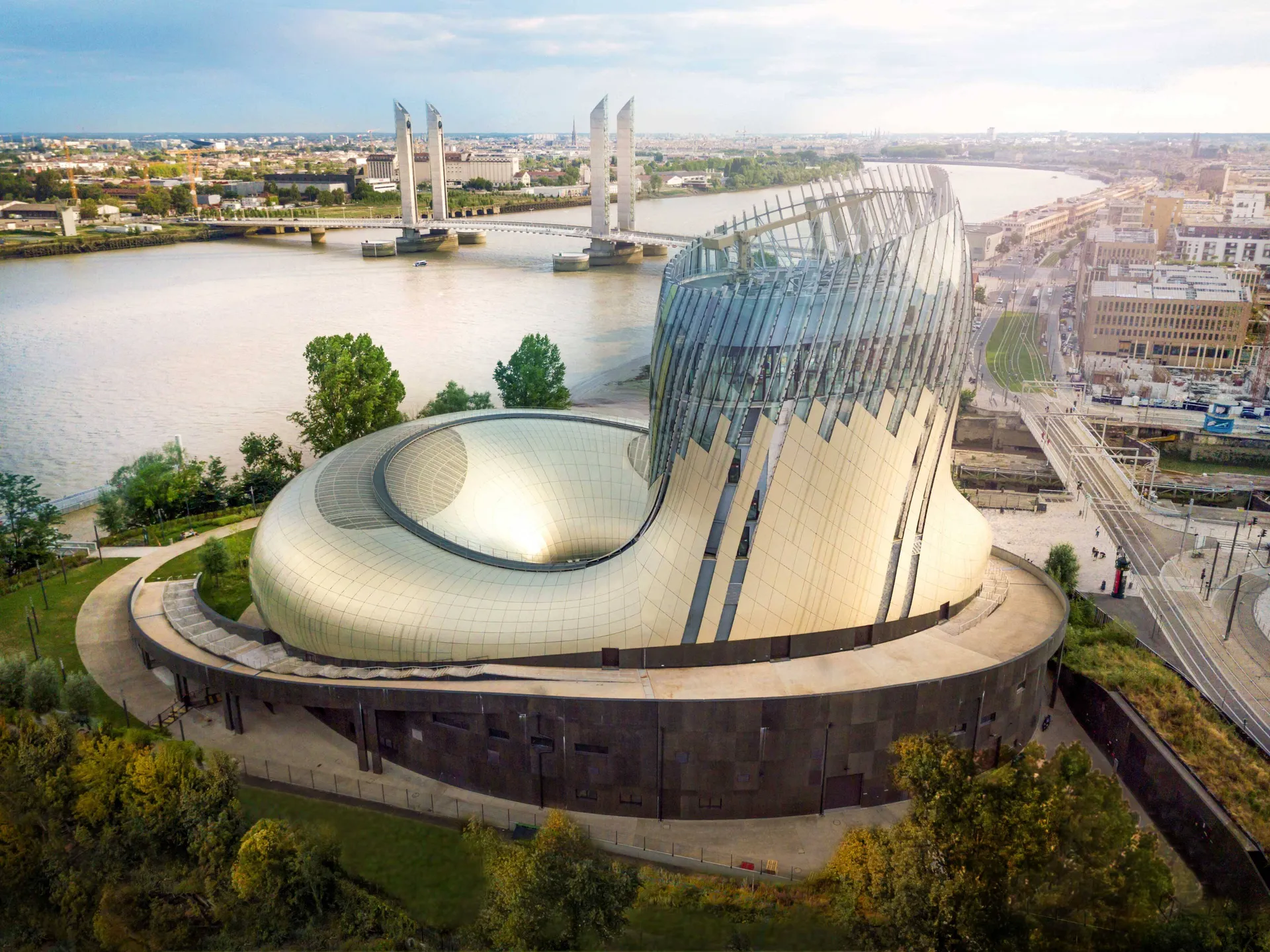
One of the most fascinating places to understand this relationship is the Cité du Vin, an innovative cultural centre dedicated to the history and culture of wine.
The building itself is striking. Its flowing curves resemble the movement of wine swirling inside a glass, reflecting the creativity and ambition of modern Bordeaux. Inside, visitors explore interactive exhibitions that explain how wine has shaped civilizations, trade routes, and cultural traditions throughout history.
March offers a wonderful opportunity to visit because the museum remains lively but not crowded. Travellers can take their time exploring the exhibitions before heading to the panoramic tasting room at the top of the building, where views stretch across the city and the river.
The experience provides a deeper understanding of why Bordeaux remains one of the most influential wine regions in the world.
Discovering Bordeaux’s Markets
Food plays a central role in daily life in Bordeaux. Even travellers visiting for only a few days quickly notice how much importance locals place on fresh ingredients, seasonal produce, and regional specialties.
One of the best places to witness this culture is Marché des Capucins, the city’s largest market.
Marché des Capucins comes alive during mornings as vendors arrange colourful displays of vegetables, cheeses, seafood, and pastries. Locals gather here to shop for ingredients while visitors wander between stalls discovering the flavours of southwestern France.
Spring brings subtle changes to the market. Early vegetables appear alongside winter produce, seafood from the nearby Atlantic coast becomes more abundant, and bakeries display regional pastries such as canelés, the small caramelized cakes that originated in Bordeaux.
Markets like this reveal the everyday culinary life of the city and offer travellers a deeper connection to local culture.
Evenings in Bordeaux Wine Bars
As daylight fades, Bordeaux shifts into a different rhythm. Streetlights illuminate the golden façades, cafés glow with warm light, and wine bars begin welcoming guests looking to relax after a day of exploration.
The city offers many excellent wine bars, but one that consistently earns praise from locals and visitors alike is Le Sobre.
This intimate wine bar focuses on quality and discovery. Rather than offering an overwhelming list of wines, it presents a carefully curated selection chosen for character and balance. The atmosphere encourages conversation and exploration, making it a perfect place to learn more about Bordeaux wines.
Spending an evening here offers a glimpse into the local culture surrounding wine — not as a luxury reserved for special occasions, but as a natural part of everyday life.
Relaxing in Bordeaux Parks
Spring also brings renewed life to the parks and gardens scattered across Bordeaux. Trees begin budding, flower beds slowly bloom, and locals return to green spaces after the colder months.
One of the most beloved parks in the city is Parc Bordelais, a large landscaped park located slightly away from the historic centre.
Parc Bordelais offers winding walking paths, open lawns, and a peaceful lake where families gather during sunny afternoons. In March, the park feels particularly refreshing as nature gradually awakens from winter.
Travellers often enjoy visiting parks like this after exploring the historic centre, providing a quieter moment away from the busy streets.
Watching the Sunset Over Bordeaux
Few experiences capture the magic of the city more beautifully than sunset.
As evening approaches, the limestone buildings of Bordeaux begin reflecting the warm tones of the setting sun. The city slowly transforms into a glowing landscape of gold and amber.
The riverfront offers some of the best viewpoints for this spectacle. Watching the light change across the façades while the Garonne flows quietly beside the city creates a moment that many travellers remember long after their visit ends.
Spring sunsets arrive gradually later in the evening, giving visitors plenty of time to enjoy dinner, a glass of wine, or a walk along the river before the sky darkens.
Experiencing Bordeaux Beyond the Landmarks
The most memorable experiences in Bordeaux often occur away from the major attractions. The charm of the city lies in its ability to reveal unexpected moments — a quiet street lined with antique shops, a hidden courtyard behind a grand doorway, or a small café filled with conversation.
March is the perfect time to discover these quieter corners. Without the pressure of large crowds, visitors can wander slowly and allow the city to unfold naturally.
It is in these moments that Bordeaux truly reveals its personality: elegant but relaxed, historic yet vibrant, and deeply connected to the rhythms of food, wine, and conversation.
Ending Your Visit with a Deeper Understanding of the City
By the end of a visit in early spring, travellers often feel they have experienced Bordeaux in a particularly authentic way. The city reveals its beauty gradually, offering architecture, culture, food, and wine in perfect balance.
For many visitors, the best way to connect these experiences together is by joining a Bordeaux Free Walking Tour toward the end of their stay. Seeing the city again through the perspective of its history often brings a deeper appreciation for everything discovered during the trip.
March may not be the most obvious time to visit Bordeaux, but it is undoubtedly one of the most rewarding. The city feels alive yet calm, elegant yet welcoming — a place where travellers can truly experience the rhythm of southwestern France just as spring begins to unfold.