Is Bordeaux Walkable? What Tourists Should Know Before Visiting
Before arriving in a new city, most travellers want to know one thing: will I be able to explore it comfortably on foot? In the case of Bordeaux, the answer is not just yes — it is one of the city’s defining strengths.
Bordeaux is walkable by design, not by accident. Its layout, architecture, riverfront, and neighbourhood structure encourage slow exploration rather than rushed sightseeing. But understanding how Bordeaux is walkable — where walking works best, how far things really are, and when to combine walking with transport — can dramatically shape your experience.
This guide is written specifically for tourists visiting Bordeaux, whether for a short city break or a longer stay, and it will help you plan your days with confidence rather than guesswork.
Why Bordeaux Is Considered One of France’s Most Walkable Cities
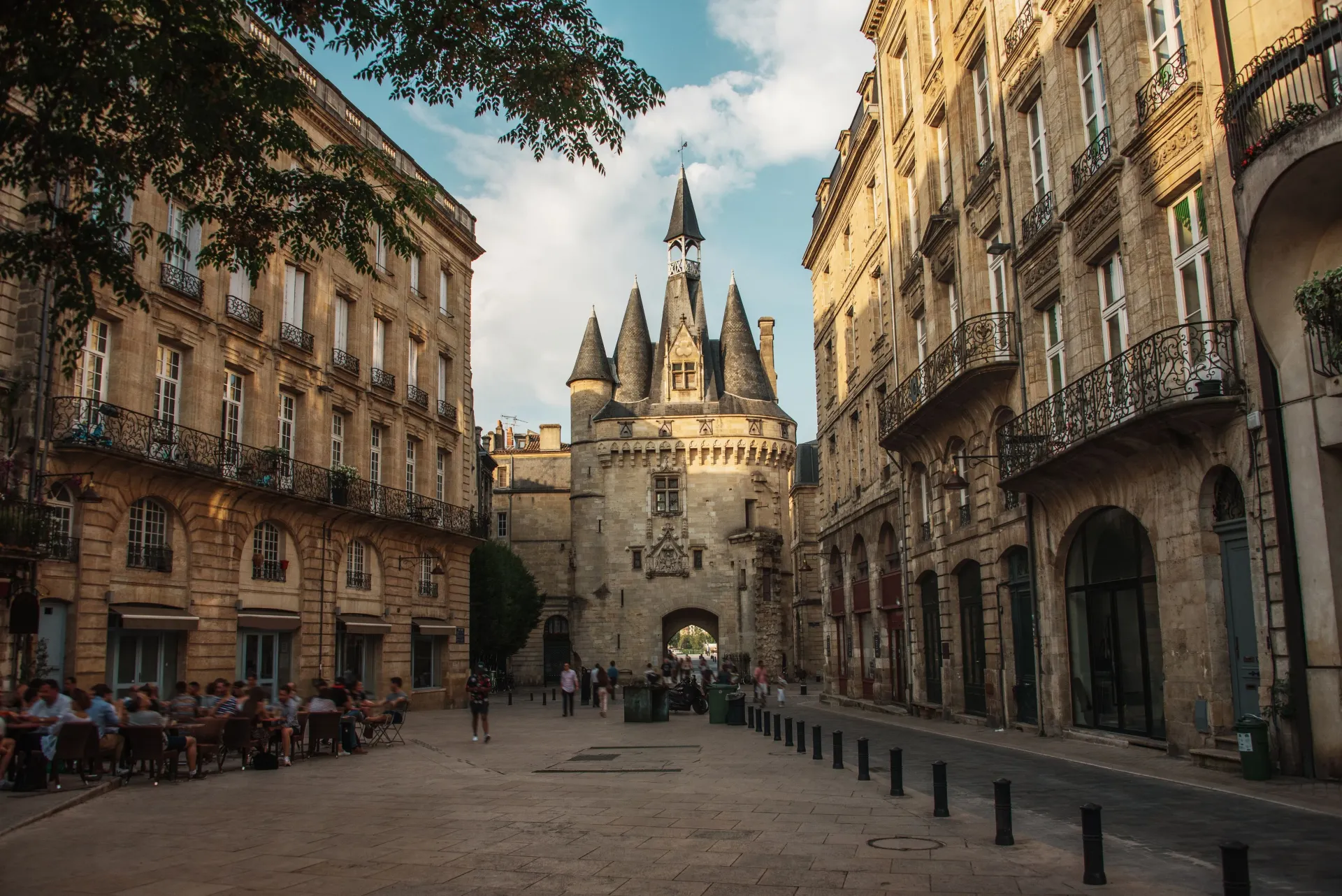
Bordeaux regularly appears on lists of Europe’s most walkable cities, and the reasons become obvious as soon as you arrive. The historic centre is compact, streets are wide and well-maintained, and much of the city has been pedestrianised or traffic-calmed.
Unlike cities that grew organically without a clear structure, Bordeaux follows a coherent urban rhythm. Neighbourhoods transition gradually rather than abruptly. Streets feel logical. Landmarks appear naturally as you walk rather than requiring detours or transport changes.
Most importantly, Bordeaux is flat. There are no steep hills to navigate, no exhausting climbs, and no neighbourhoods that feel physically inaccessible. For visitors of all ages, this makes walking not just possible, but genuinely enjoyable.
Understanding Bordeaux’s Layout Before You Arrive
To understand Bordeaux’s walkability, it helps to understand how the city is organised. Bordeaux stretches along the Garonne River, with the historic centre sitting on the left bank and newer, quieter districts on the right.
The majority of tourist attractions are concentrated within a relatively small area:
- The historic centre
- The riverside quays
- The main shopping streets
- Cultural institutions and museums
Within this core, distances are short and intuitive. You can move from one neighbourhood to another without ever feeling like you’ve left the city centre.
This is why many visitors quickly realise that walking is often faster — and certainly more pleasant — than using public transport.
The Historic Centre: Where Walking Truly Shines
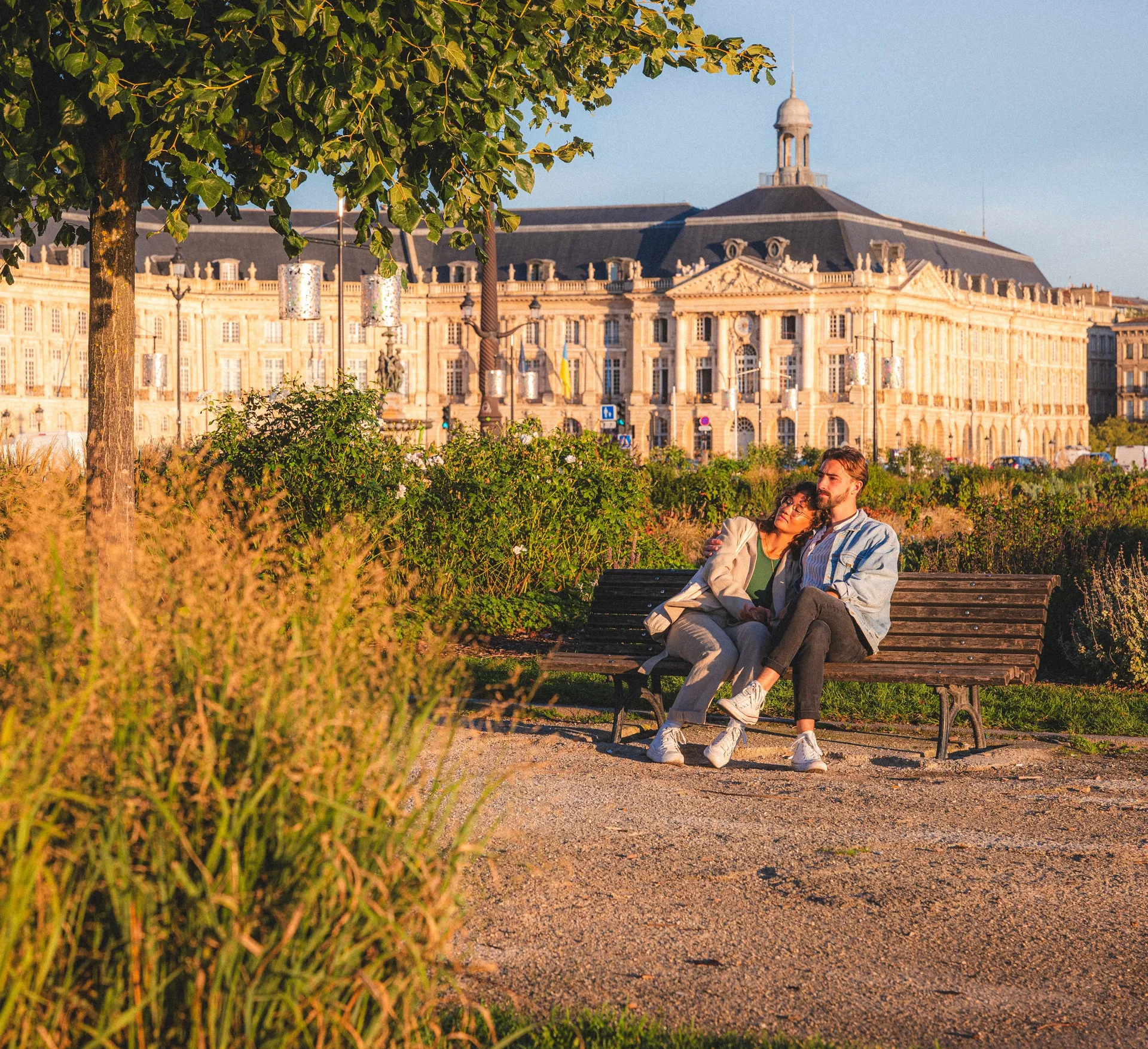
The heart of Bordeaux is where walking makes the most sense. This is an area designed for feet, not vehicles.
Standing in Place de la Bourse, you are already within walking distance of many of the city’s most important sights. The square itself is open, elegant, and directly connected to the river, making it an ideal starting point for exploration.
From here, you can easily walk to:
- The medieval streets of Saint-Pierre
- The broad shopping avenue of Rue Sainte-Catherine
- The riverfront promenade along the Garonne
In February or summer alike, this part of Bordeaux rewards slow walking. Architecture unfolds gradually, cafés appear naturally, and the city feels cohesive rather than fragmented.
For first-time visitors, starting your stay with a Bordeaux walking tour is one of the most effective ways to understand how these streets connect, helping you feel oriented almost immediately.
Walking Along the Garonne: Bordeaux’s Greatest Open Space
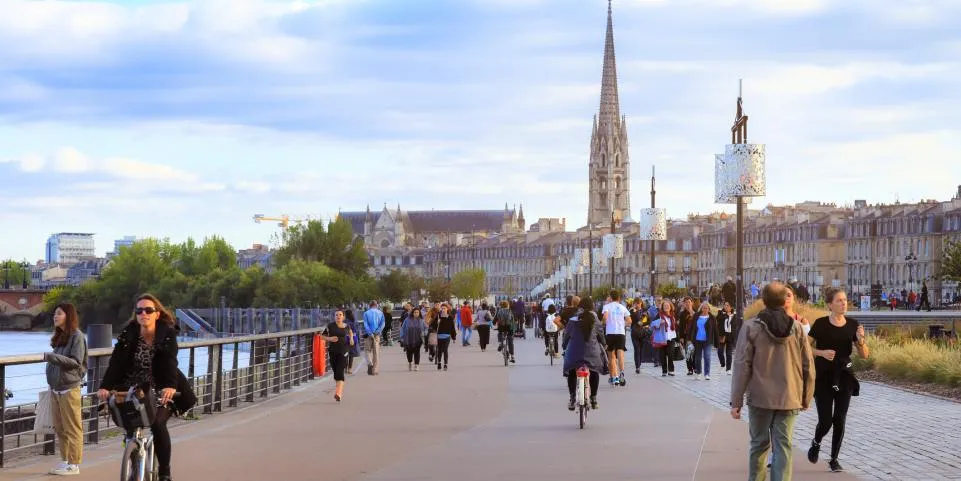
One of Bordeaux’s most walkable features is its riverfront. The quays stretch for several kilometres and are almost entirely pedestrian-friendly.
Walking along the Garonne allows you to move between neighbourhoods without navigating traffic or busy streets. The paths are wide, flat, and open, making them ideal for relaxed walks at any pace.
Crossing Pont de Pierre on foot is particularly rewarding. From the bridge, the historic skyline appears symmetrical and imposing, especially at sunrise or sunset. This crossing also gives you a strong sense of Bordeaux’s scale and layout.
Many visitors find themselves returning to the riverfront repeatedly — for morning walks, afternoon strolls, or quiet evening wanderings.
If you’re planning an evening route in particular, exploring the city’s sunset spots in Bordeaux can help you choose stretches of the river and bridges where the light transforms the skyline most beautifully.
How Far Is “Walkable” in Bordeaux?
One of the most common misconceptions about Bordeaux is that it looks larger on a map than it feels in reality.
In practice:
- Most central attractions are 10 to 20 minutes apart on foot
- Crossing the historic centre rarely takes more than 30 minutes
- Walking between neighbourhoods often feels shorter than expected
Because Bordeaux is visually engaging, distances feel easier. You pass landmarks, cafés, shops, and public spaces constantly, which breaks walks into enjoyable segments rather than long stretches.
This is why many visitors end up walking far more than planned — without feeling exhausted.
Neighbourhoods That Are Ideal for Walking
Saint-Pierre and the Old Town
This is Bordeaux’s most atmospheric area and entirely walkable. Narrow streets, small squares, and historic buildings make it perfect for slow exploration.
The Golden Triangle
Elegant shopping streets and classical architecture define this district. Pavements are wide, distances are short, and walking feels comfortable even during busier hours.
The Quays
Flat, scenic, and open, the quays are ideal for longer walks without effort, connecting multiple districts seamlessly.
Chartrons
Slightly north of the historic centre, Chartrons is still very walkable, especially if approached along the river rather than inland streets.
Areas Where Walking Is Still Possible — But Requires Planning
Some parts of Bordeaux are walkable, but benefit from combining walking with transport.
Bastide (Right Bank)
Accessible on foot via Pont de Pierre, Bastide is quieter and more residential. Walking works well here, but distances feel longer due to fewer landmarks.
Bacalan
Home to La Cité du Vin, Bacalan can be reached on foot from the centre along the river. Many visitors walk one way and use transport for the return.
These areas are not difficult to reach, but knowing when to pace yourself helps avoid fatigue.
Walking vs Public Transport: What Tourists Should Choose
Bordeaux’s tram system is efficient and easy to use, but many visitors rely on it far less than expected.
Walking is usually best when:
- You’re staying in or near the historic centre
- You want to explore organically rather than follow a strict schedule
- You enjoy discovering cafés, shops, and streets spontaneously
Public transport is useful when:
- Heading further out (stadium areas, outer districts)
- The weather is particularly poor
- Returning late after a long day
Most tourists naturally combine walking with occasional tram rides rather than relying on transport entirely.
Is Bordeaux Walkable for Older Travellers?
Yes — and this is one of Bordeaux’s biggest advantages.
The city’s flat terrain, smooth pavements, frequent benches, and compact layout make it particularly comfortable for older travellers. Walking here feels predictable and safe rather than demanding.
Many visitors aged 55+ find Bordeaux easier to explore on foot than cities with hills, uneven streets, or complex transport systems.
Walking With Luggage, Strollers, or Limited Mobility
While Bordeaux is generally accessible, some historic streets — especially in Saint-Pierre — are cobbled. Most are well-maintained, but comfortable footwear is essential.
Travellers with strollers or light mobility limitations usually manage well along main routes and the quays. Choosing centrally located accommodation reduces the need for longer walks.
Best Times of Day to Walk in Bordeaux
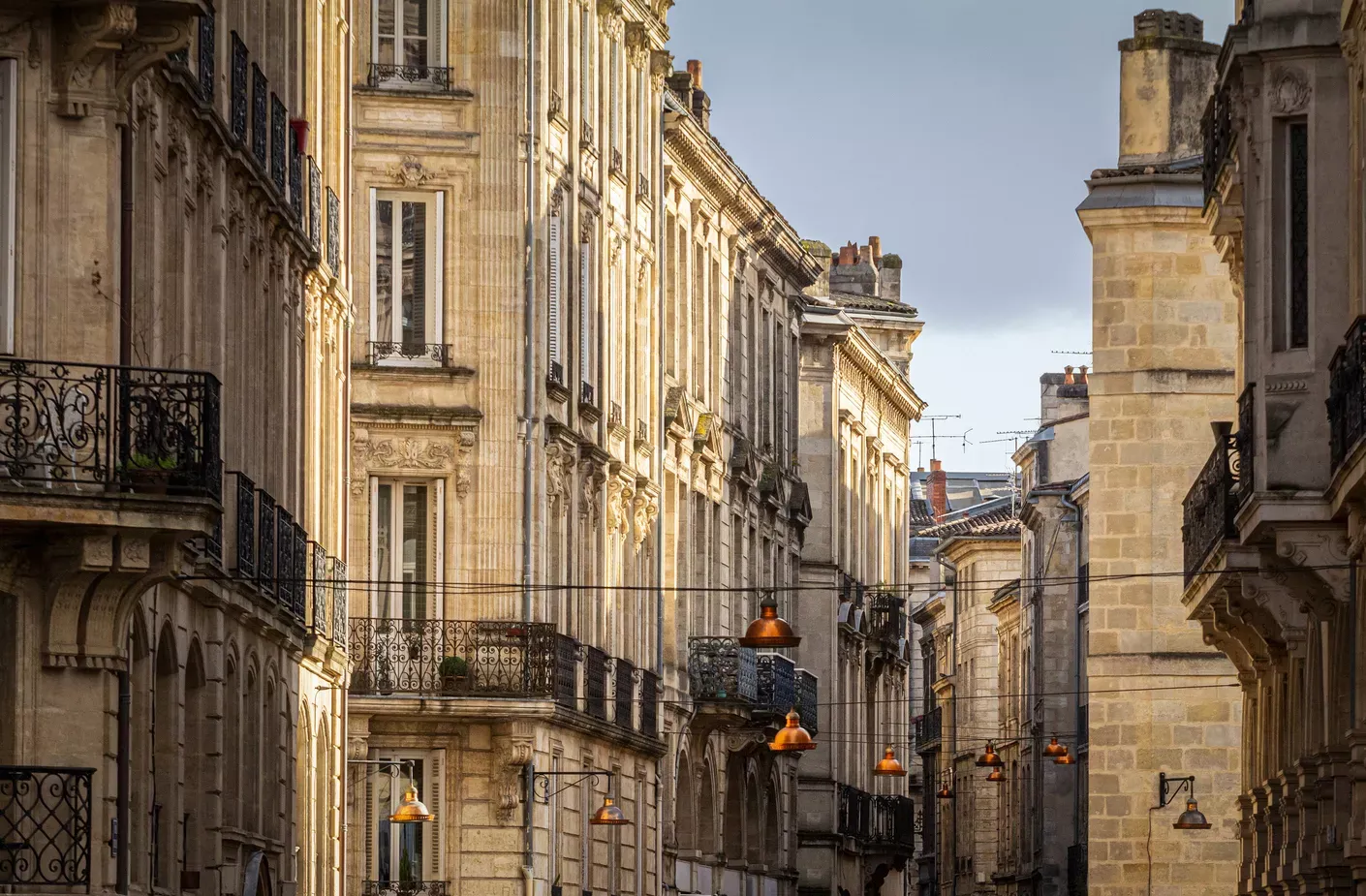
Morning walks are calm and uncrowded, ideal for photography and quiet exploration. Afternoon walks feel lively and social, with cafés and shops in full flow. Evening walks along the river or through the old town are atmospheric and well-lit.
Bordeaux’s urban design makes walking enjoyable even after dark.
Why Walking Helps You Truly Understand Bordeaux
Walking reveals Bordeaux gradually. You notice how neighbourhoods transition, how the city opens toward the river, and how history blends into daily life.
This is why many travellers say they only understood Bordeaux once they explored it on foot — especially after experiencing the city with local insight on a Bordeaux walking tour.
Final Reflection: Bordeaux Is a City Built for Walking
Bordeaux does not merely allow walking — it encourages it.
For visitors, this means freedom. Freedom from rigid schedules, from constant transport planning, and from the pressure to rush. In Bordeaux, walking is the experience.
If you enjoy discovering cities at a human pace, noticing details, and letting places unfold naturally, Bordeaux is one of the most satisfying cities in France to explore on foot. And once you’ve experienced it — especially through a Bordeaux walking tour — it becomes hard to imagine seeing the city any other way.