Why Bordeaux Is Famous: A Guide for Tourists
Bordeaux is one of the most visited cities in France, known globally for its wine production, historic cityscape, and quality of life. For tourists, Bordeaux offers more than just wine—it blends a dynamic food scene, impressive architecture, accessible vineyards, and day trips to some of the most scenic spots in the southwest of France.
Bordeaux: The World Capital of Wine
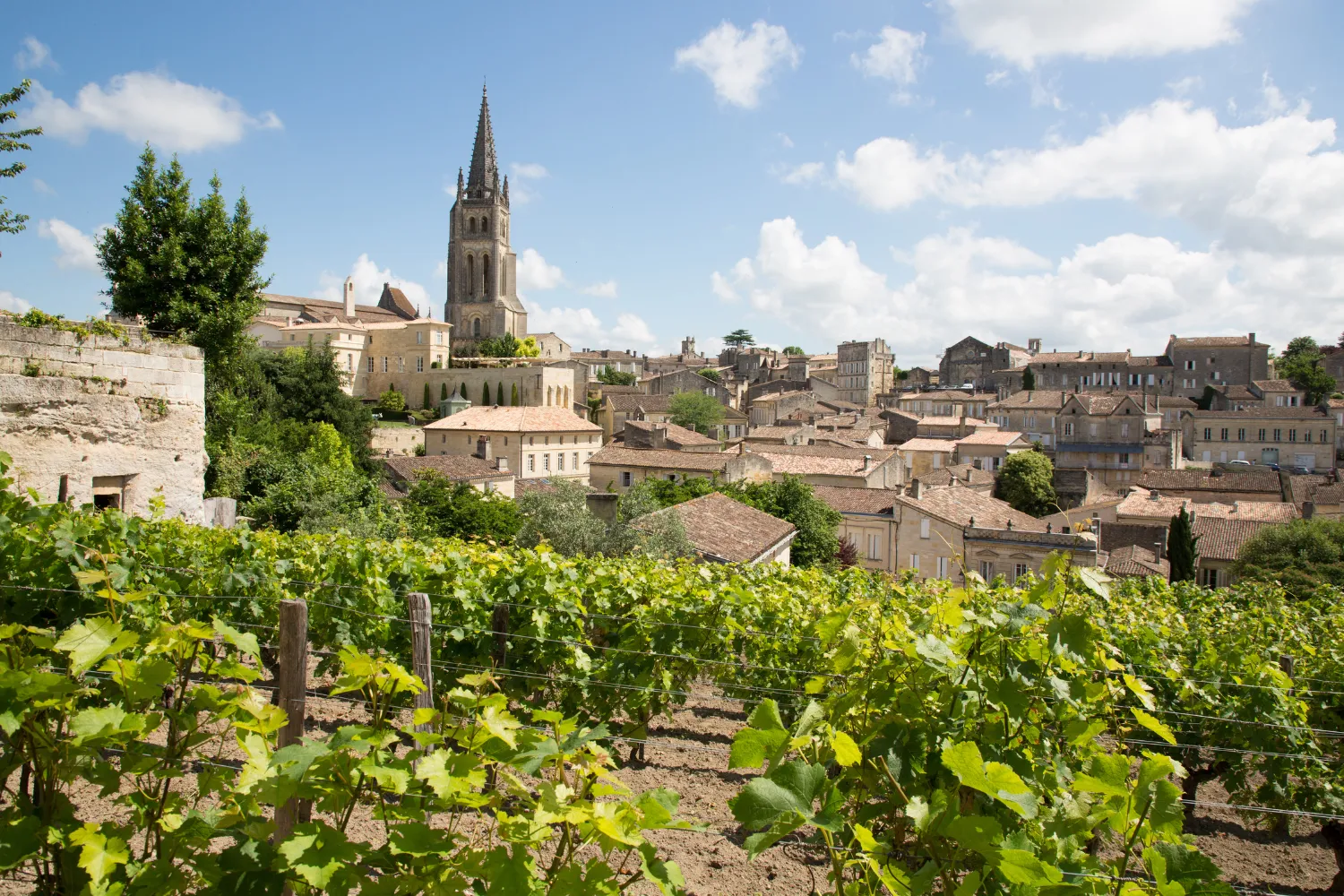
Bordeaux is considered the wine capital of the world, home to over 6,000 châteaux and more than 110,000 hectares of vines. The Bordeaux wine region covers 65 appellations, producing everything from powerful reds in the Médoc to the sweet whites of Sauternes.
To understand how the city built its global wine reputation over centuries, you can explore how Bordeaux became the wine capital of the world for deeper historical context.
Visitors can explore these areas through a wide range of wine tours from Bordeaux, with the Saint-Émilion wine tour being a favourite due to the village’s medieval charm and UNESCO World Heritage status. Many travellers book vineyard tours that include tastings, château visits, and winemaking workshops.
The Cité du Vin, Bordeaux’s wine museum, is another major attraction. Its interactive exhibits explore wine culture across continents, and its rooftop wine bar offers 360° views over the Garonne River and the city skyline.
A City with Deep Historical Roots and Cultural Renewal
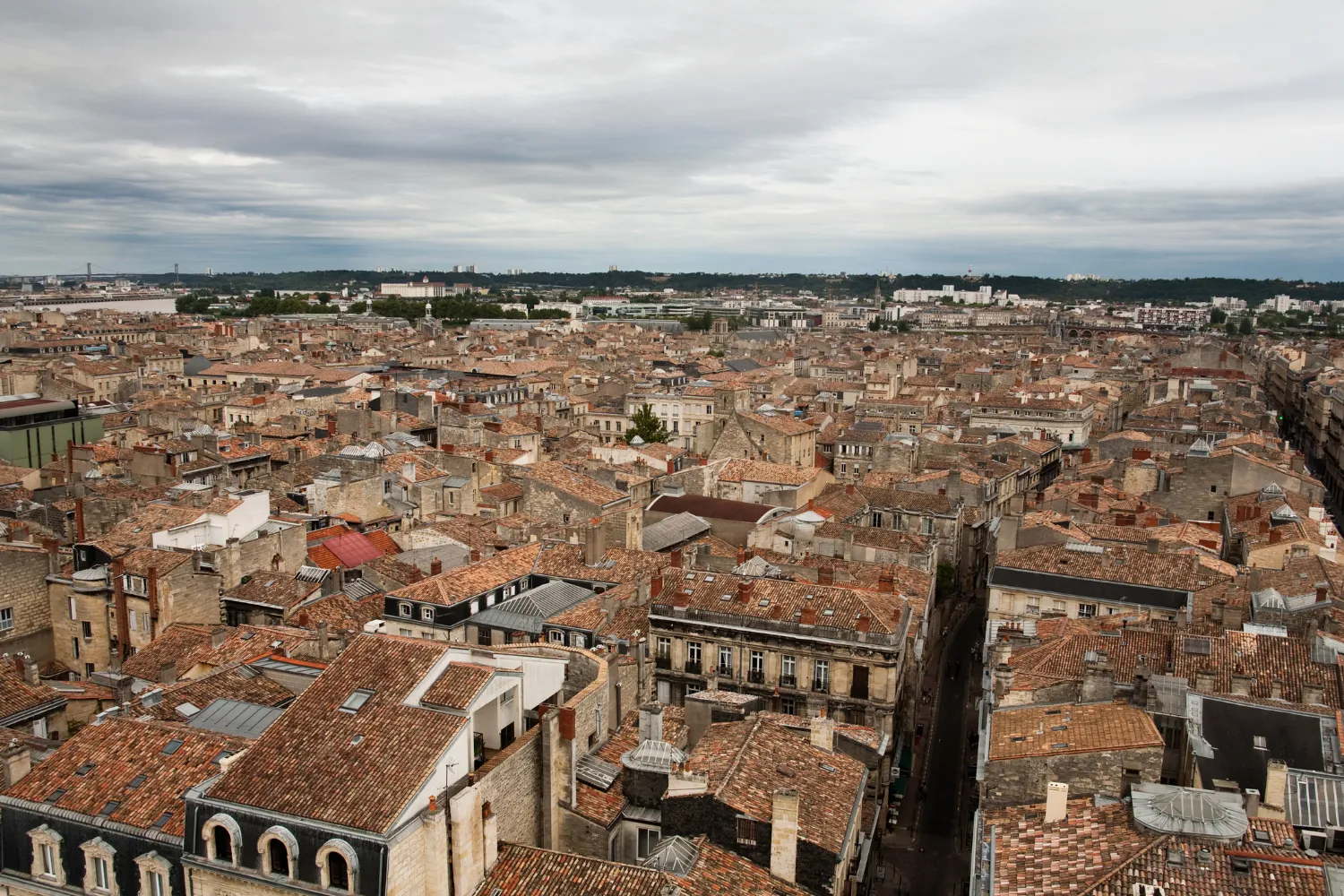
Bordeaux’s history spans over 2,000 years. Once a thriving Roman settlement, it became a strategic trade city when Eleanor of Aquitaine married Henry II of England in 1152, giving rise to its wine export industry. The British influence remains visible in Bordeaux’s preference for red blends (known in the UK as "claret") and its continued popularity with British travellers.
During the 18th century, Bordeaux experienced a golden age of architecture. Its neoclassical city centre, elegant stone façades, and grand civic spaces earned it UNESCO World Heritage status in 2007. Today, the city carefully balances its historic identity with modernisation. Historic tram lines run through restored districts, contemporary art installations fill old squares, and the Darwin Eco-System—a former military barracks—now houses co-working spaces, a skatepark, and sustainable businesses.
Culturally, Bordeaux embraces both tradition and innovation. Locals are proud of their Bordeaux wine culture, but also support independent art galleries, festivals, and music venues. This balance between the old and new is a defining characteristic of the city’s identity.
Must-See Architectural and Cultural Attractions
- Place de la Bourse and the Miroir d’Eau: Bordeaux’s most iconic square faces the Garonne River, with Europe’s largest reflecting pool.
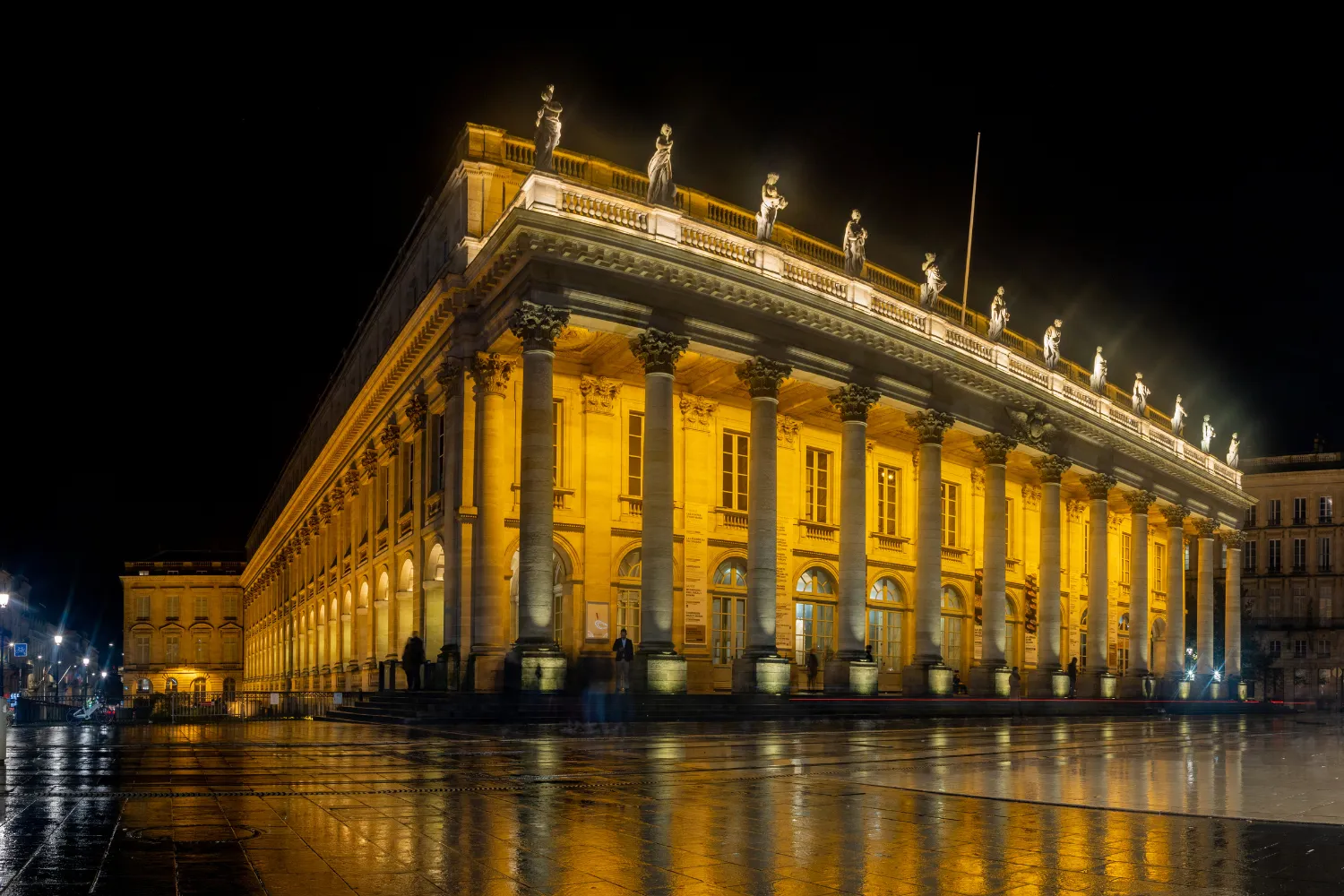
- Grand Théâtre de Bordeaux: Completed in 1780, this is one of France’s finest classical theatres and still hosts ballets and operas.
- Saint-André Cathedral and Pey-Berland Tower: A mix of Romanesque and Gothic architecture. Climb the tower for panoramic views of the city.
- Rue Sainte-Catherine: The longest pedestrian shopping street in Europe, linking heritage with high-street retail.
Bordeaux’s Gastronomy: Local Flavours and Dining Culture
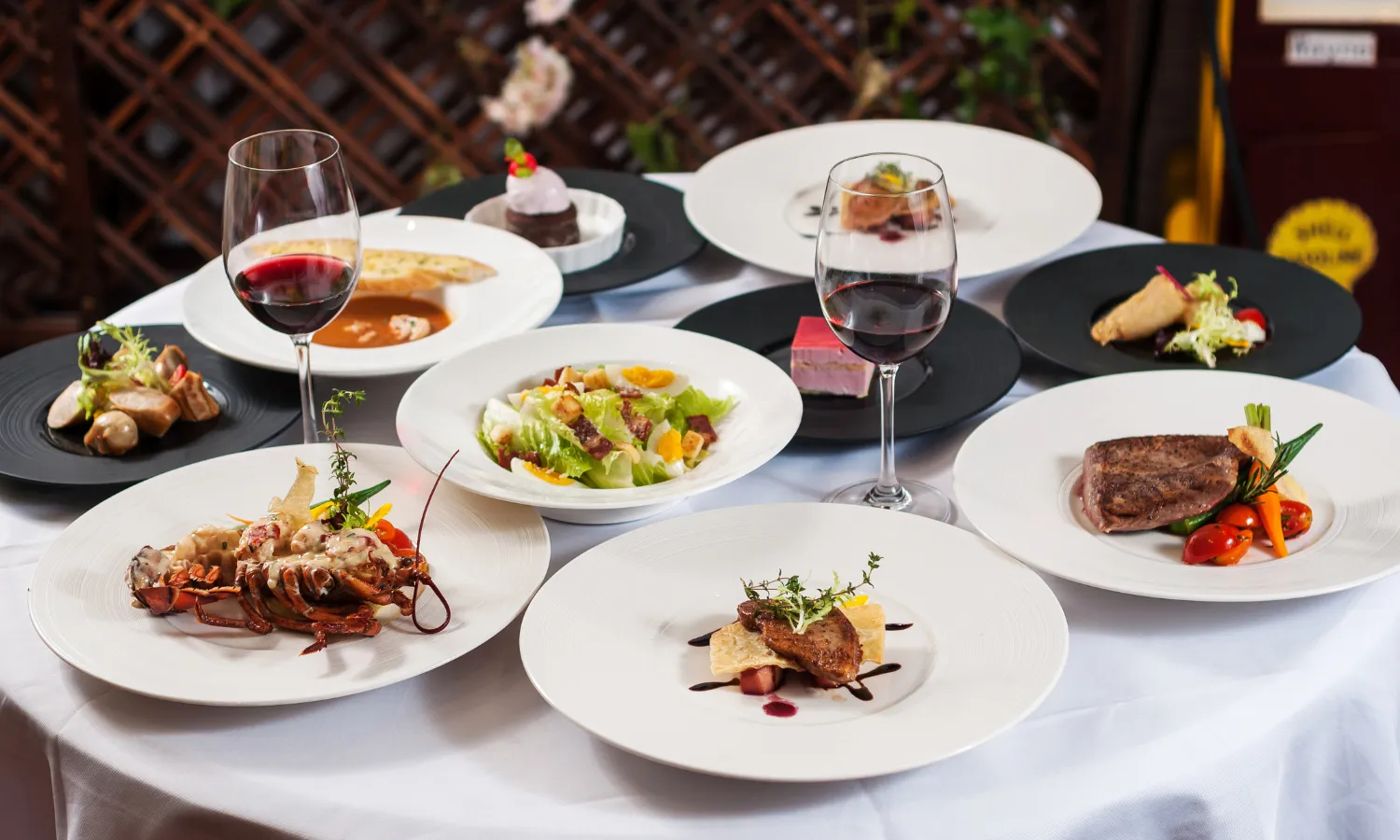
With an astonishing one restaurant per every 285 residents, the city of Bordeaux has proved itself once again to be at the top of the gastronomic charts and a haven for foodies. Whether you're visiting for a weekend or longer, food is central to the Bordeaux experience.
Signature local dishes include:
- Entrecôte à la Bordelaise: Grilled rib steak with a red wine and shallot sauce, often made using local wines.
- Canelé: A small pastry flavoured with vanilla and rum, with a soft custard centre and caramelised crust.
- Magret de canard: Duck breast, a staple in southwestern cuisine.
- Arcachon oysters: Fresh and briny, often served with lemon and white wine.
For food lovers, a walk through the Marché des Capucins is essential. This market offers the best of Bordeaux’s seasonal produce, seafood from the Atlantic, cheeses from the Pyrenees, and charcuterie. It’s also an ideal stop on a guided walk with Bordeaux Free Walking Tours, where local guides often include food tips and cultural context as part of the experience.
Bordeaux Day Trips: Arcachon and Cap Ferret
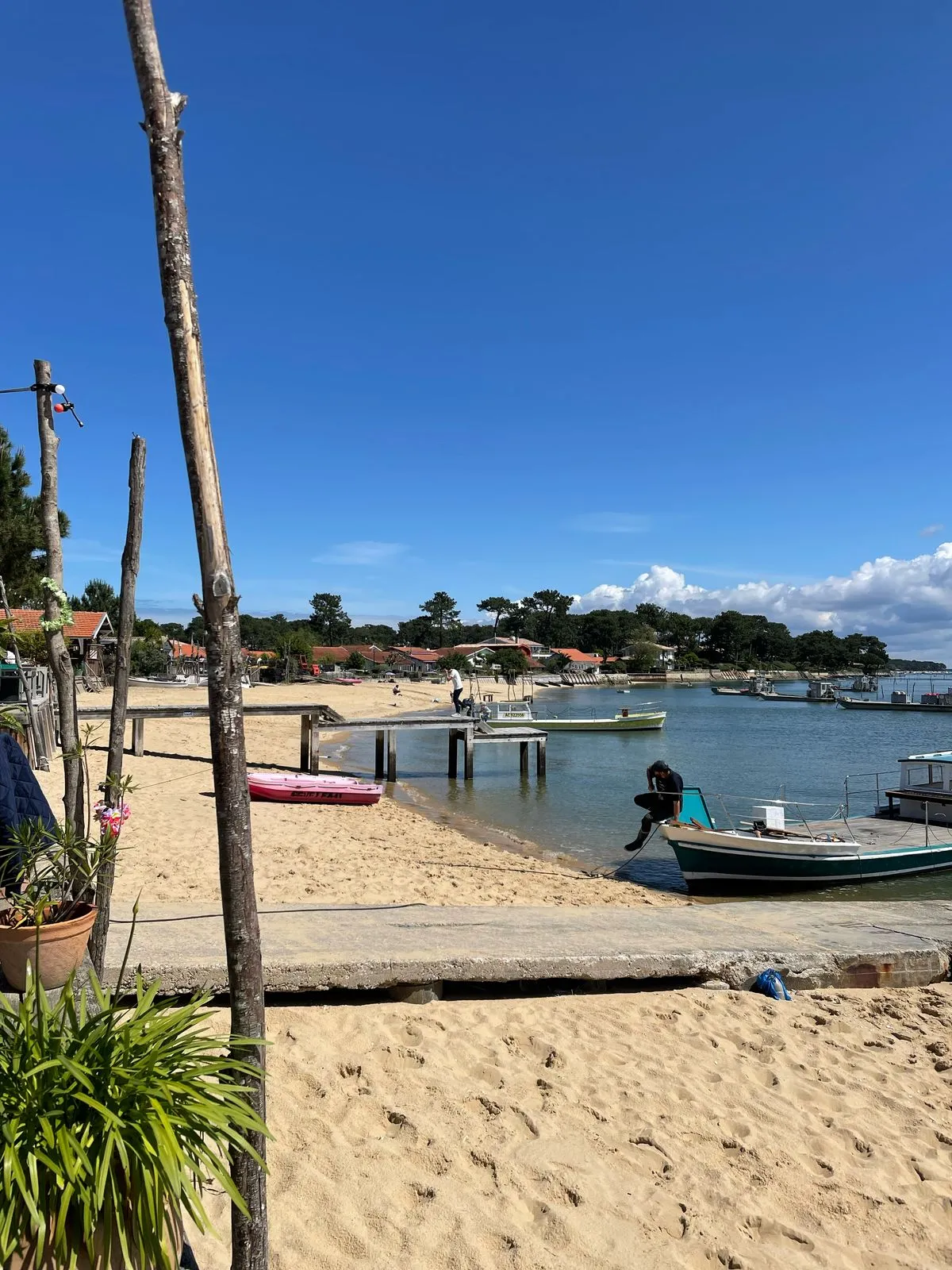
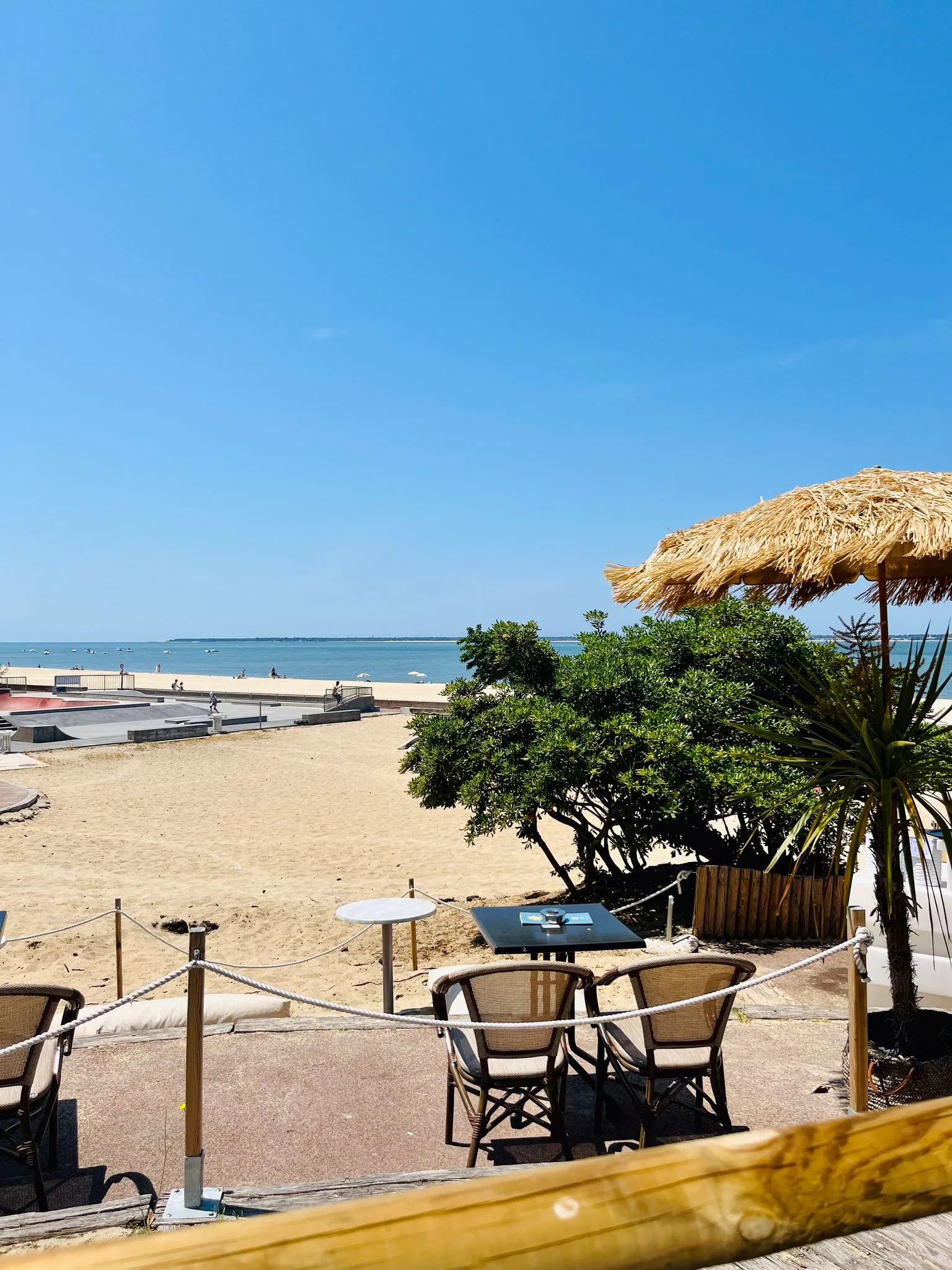
Bordeaux’s appeal extends beyond the city itself. Within an hour’s reach are some of the best seaside destinations in France:
- Arcachon: A classic resort town famous for its oyster farming and the Dune du Pilat, Europe’s tallest sand dune. Visitors can climb the dune for views over the bay and the Atlantic Ocean.
- Cap Ferret: Popular for its laid-back beaches, pine forests, and oyster shacks. It attracts both Parisians and locals who want to escape city life. Boat rides across the bay between Arcachon and Cap Ferret are popular in summer.
These areas provide a sharp contrast to the vineyards and urban scenery of Bordeaux, making them ideal for day trips.
Accessible Wine Country and Outdoor Life
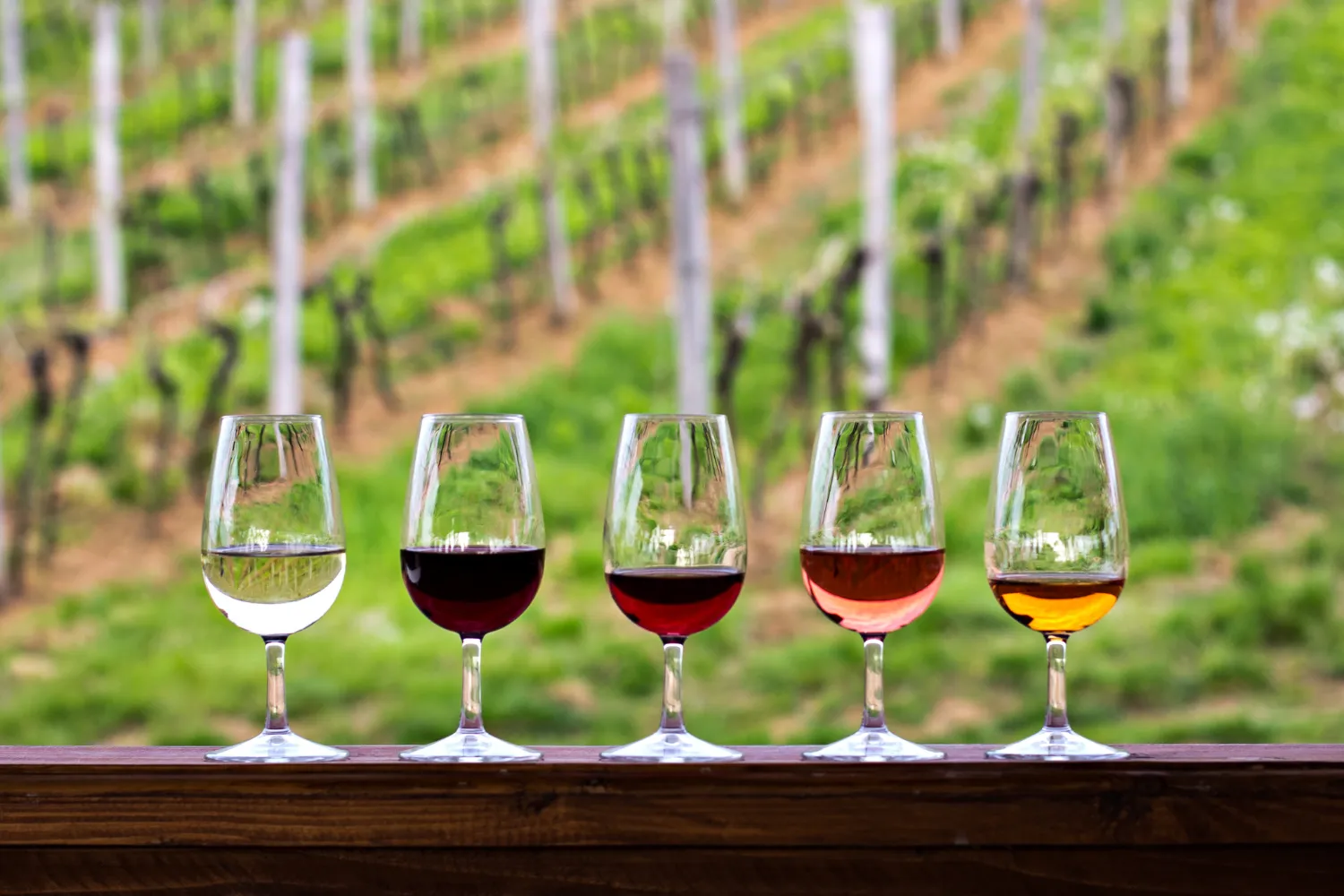
One reason Bordeaux is such a practical destination for tourists is how accessible the surrounding wine regions are. The Médoc, Pessac-Léognan, and Saint-Emilion wine tour are all within 40 minutes of the city by car or train. Wine tours from Bordeaux often include transport, tastings, and visits to historical estates.
For those who prefer outdoor activities, the quais along the Garonne offer cycle lanes, riverside cafés, and picnic areas. In summer, the city hosts wine and food festivals, art fairs, and live music events. River cruises are also available, offering views of Bordeaux’s historic façades and bridges from the water.
When to Visit Bordeaux
Tourism in Bordeaux peaks between May and October, with June being a highlight due to the Bordeaux Fête le Vin—an open-air wine festival along the riverbanks. Autumn is perfect for vineyard visits during the grape harvest, while winter brings a quieter pace and easier bookings at top restaurants and châteaux.
Why Tourists Keep Coming Back
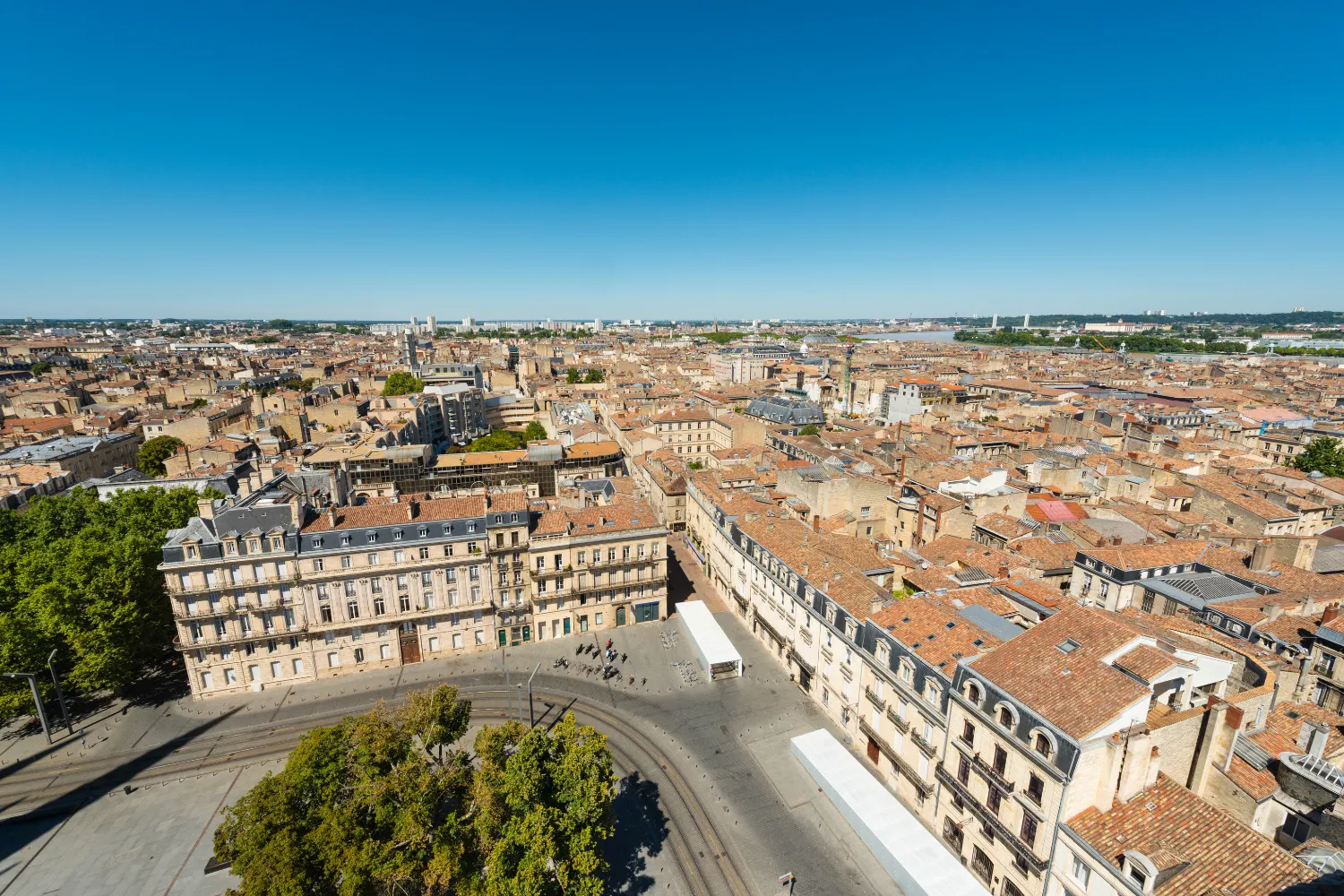
Bordeaux is famous for many reasons: its centuries-old wine heritage, UNESCO-listed architecture, and vibrant food scene. It offers something for every type of traveller—from historical landmarks and cultural venues to seaside escapes and world-class wine tasting. Whether you’re booking a Saint-Émilion wine tour, exploring the riverfront, or tasting canelés in the old town, Bordeaux offers a depth of experience that makes it one of the most visited cities in France.
Planning your visit with Bordeaux Free Walking Tours is an ideal way to begin your trip and get introduced to the city’s key attractions, stories, and neighbourhoods.
Bordeaux isn’t just a wine destination—it’s a city that continues to evolve, offering new reasons to return each year.