The Story of How Bordeaux Became the Wine Capital of the World
Introduction
When people think of wine, Bordeaux is often the first name that comes to mind. Known as the wine capital of the world, this city and its surrounding vineyards have earned an unrivalled reputation over the centuries. Bordeaux’s journey to the very top of global wine culture is a story of geography, history, trade, innovation, and resilience. Today, the Bordeaux wine region produces wines enjoyed by everyday drinkers, sought after by collectors, and celebrated at prestigious auctions. Understanding how Bordeaux reached this position means tracing its path from Roman Bordeaux wine to its present-day status as a benchmark for quality and tradition.
Learn in person from one of our experts guides on the Bordeaux Walking tour departing daily.
Roman Foundations and the Birth of Bordeaux Wine
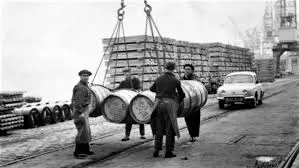
The story begins during the Roman Empire. When Roman legions established settlements in what is now south-west France, they brought with them not only military might but also viticulture. Around the first century, vineyards in Bordeaux were planted, supported by fertile soils and a favourable climate.
The Gironde estuary and the rivers Garonne and Dordogne became essential trade routes, and early vineyards thrived on their banks. Even at this early stage, the region’s terroir was showing its promise. Gravel soils, with excellent drainage, encouraged healthy vines and produced grapes with depth and structure. The marriage of land and climate laid a foundation that still defines Bordeaux wine today.
The Medieval Boom: Eleanor of Aquitaine and the English Market
Bordeaux’s global rise cannot be understood without the pivotal figure of Eleanor of Aquitaine. In 1152, she married Henry Plantagenet, who soon became Henry II of England. With this union, Bordeaux became part of the Angevin Empire, linking it directly to the English crown.
This political alliance brought profound economic consequences. English merchants gained access to Bordeaux wine, which soon flowed in vast quantities across the Channel. By the 13th and 14th centuries, claret wine—the light red wine of Bordeaux—was the drink of choice in England.
This period established a pattern of international wine trade. Bordeaux wines were no longer just local products; they were symbols of prestige and identity abroad. The English connection embedded Bordeaux into European markets and gave it a unique competitive advantage over other French wine regions.
The Port of the Moon and the Age of Trade
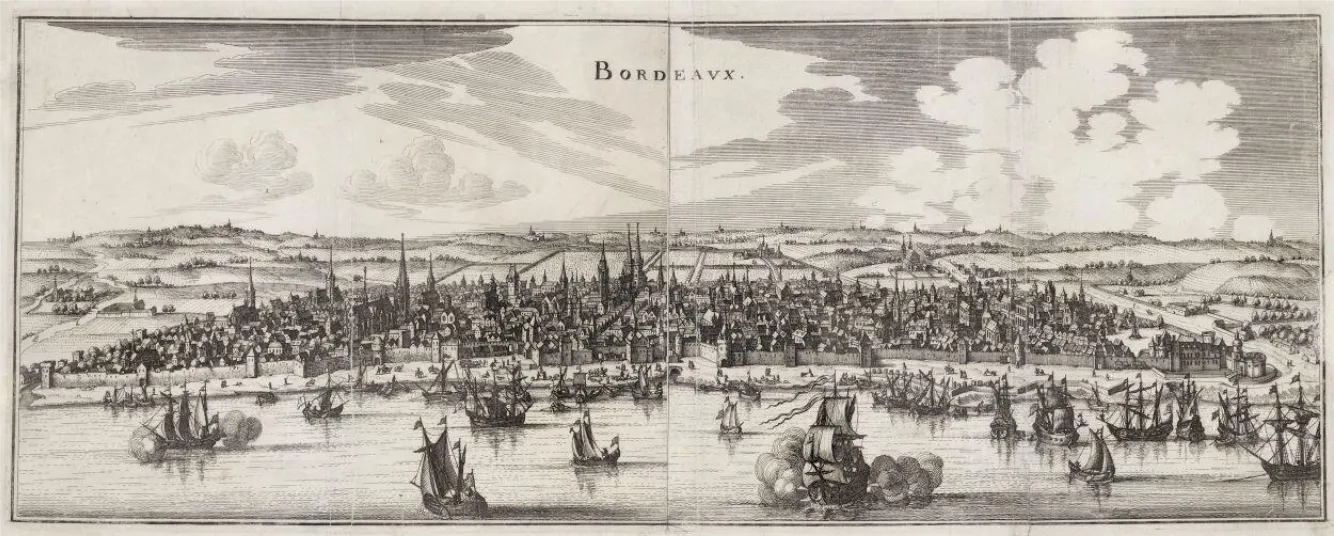
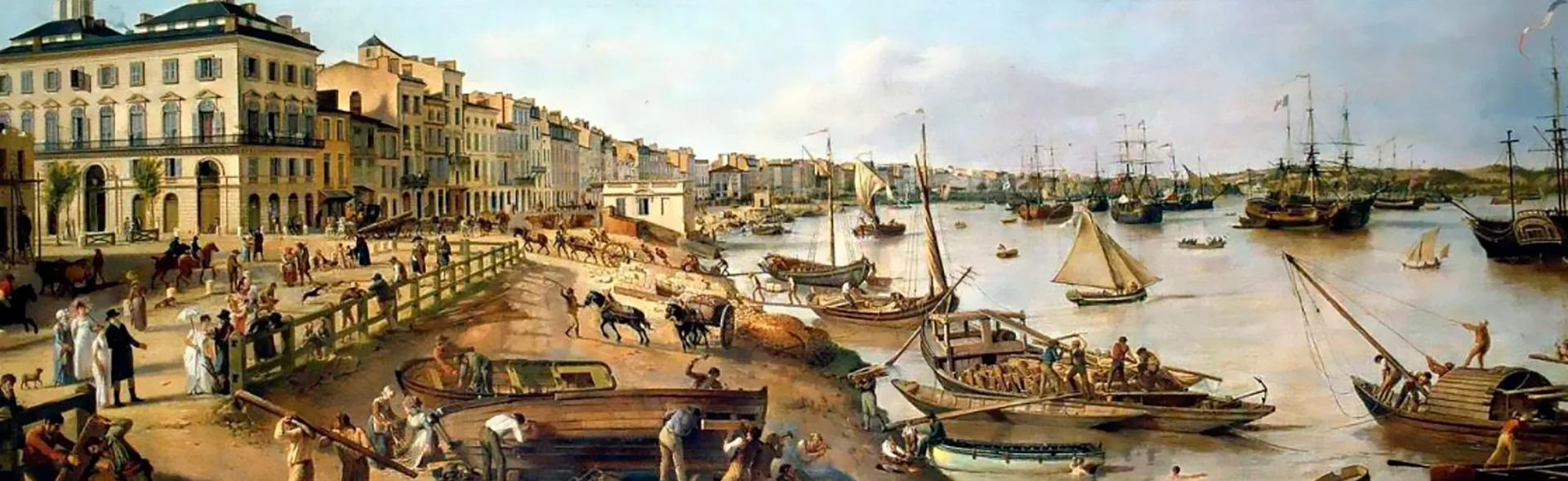
By the 18th century, Bordeaux had grown into one of Europe’s busiest ports. Known as the because of the crescent shape of its riverfront, it became the hub of not just wine but also sugPort of the Moon ar, coffee, and exotic goods from overseas colonies.
Wine, however, was the backbone of Bordeaux’s wealth. Grand merchants and wine traders invested heavily in Bordeaux vineyards, built warehouses along the quays, and developed the infrastructure that supported international commerce.
At this time, Bordeaux wines began to earn recognition not only for their volume but also for their quality. Estates in the Médoc and Graves regions were carefully managed, experimenting with vineyard practices and winemaking techniques. The concept of château wines—where a specific estate was associated with a consistent style and reputation—took root.
The 1855 Classification and the Rise of Prestige
One of the most important milestones in Bordeaux wine history came in 1855. For the Exposition Universelle in Paris, Emperor Napoleon III requested a classification of Bordeaux wines to present to an international audience.
The result was the famous 1855 Bordeaux Classification, which listed the best estates into tiers from First Growth to Fifth Growth. Four estates—Lafite, Latour, Margaux, and Haut-Brion—were named Premier Cru Classé, joined later by Mouton Rothschild in 1973.
This classification cemented Bordeaux’s prestige. It created an official hierarchy that still influences global perceptions of Bordeaux wine today. Collectors, connoisseurs, and merchants used it as a guide, and the world began to see Bordeaux as the benchmark for excellence.
Diversity of Terroir and Appellations
What makes Bordeaux unique is not just its scale but its diversity. The Bordeaux wine region covers more than 110,000 hectares of vineyards, making it the largest fine-wine region in the world. Within this area, multiple Bordeaux appellations reflect different soils, climates, and traditions.
- Left Bank (Médoc and Graves): Known for Cabernet Sauvignon-dominant blends, producing powerful, structured wines with ageing potential.
- Right Bank (Saint-Émilion and Pomerol): Famous for Merlot and Cabernet Franc blends, offering softer, rounder wines often ready to drink earlier.
- Entre-Deux-Mers: Positioned between the Garonne and Dordogne rivers, this zone is best known for crisp Bordeaux white wines from Sauvignon Blanc and Sémillon.
- Sauternes and Barsac: Producing some of the world’s greatest sweet wines, created through the noble rot that concentrates sugars in the grapes.
This diversity enables Bordeaux to offer wines for every taste and budget. From everyday bottles for casual dining to legendary vintages sought by collectors, Bordeaux wine covers the entire spectrum.
If you’re wondering how to best enjoy these different appellations at the table, explore our guide to wine and food pairings in the Bordeaux region, where we break down which local dishes complement each style perfectly.
The French Revolution and Bordeaux Wine
The French Revolution was another turning point. During the upheaval of the late 18th century, many aristocratic estates in Bordeaux were confiscated or sold. Vineyards changed hands, and the ancien régime structures that had supported the industry were dismantled.
While this created instability, it also allowed the rise of a new class of wine merchants and vineyard owners who professionalised production. This democratisation of ownership helped prepare Bordeaux for the 19th century boom in global wine trade.
The Scale of Bordeaux Production
Bordeaux is not just prestigious; it is immense. The region produces close to one billion bottles annually, making it a true powerhouse in world wine production. More than 10,000 producers and 300 trading houses contribute to this scale.
This combination of scale and prestige is rare. Bordeaux manages to dominate supermarket shelves with affordable red Bordeaux wine while also commanding top prices at auction for rare vintages. The dual character of Bordeaux wine—both accessible and elite—helps explain why it continues to hold the crown as the wine capital of the world.
Challenges and Resilience
Bordeaux’s vineyards have survived crises that could have ended its dominance. In the 19th century, the phylloxera epidemic devastated almost every vineyard. The solution—grafting European vines onto American rootstock—saved the industry.
Today, Bordeaux winemakers face new challenges. Global competition from regions such as California, Australia, and Chile pushes Bordeaux to maintain its edge. Climate change is altering weather patterns, forcing adaptation with new grape varietals and vineyard techniques.
Despite these pressures, Bordeaux remains a symbol of resilience. Its ability to balance tradition with innovation ensures it remains central to the global wine conversation.
Bordeaux Today: Culture and Wine Tourism
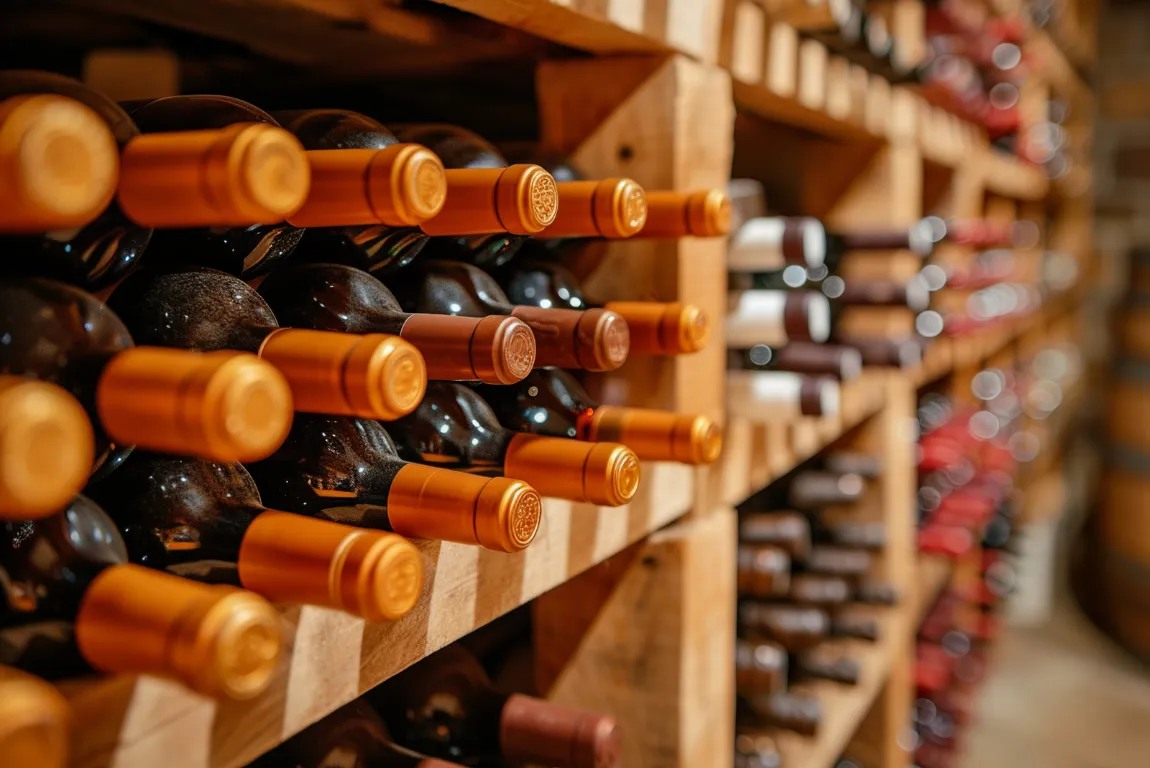
Modern Bordeaux is more than a wine region; it is a cultural capital. The opening of the Cité du Vin in 2016 reinforced Bordeaux’s status as a world leader in wine knowledge and culture. Exhibitions, tastings, and educational events attract visitors from around the globe.
Wine tourism in Bordeaux has flourished. Travellers can tour historic châteaux, sample wines from famous appellations, and explore the medieval streets of Saint-Émilion, itself a UNESCO World Heritage site. Walking through the city, visitors encounter the legacy of centuries of wine trade, from the elegant 18th-century façades along the quays to bustling modern wine bars.
For those who want to discover Bordeaux’s story beyond the vineyards, Bordeaux Free Walking Tours offers guided experiences that connect the city’s history with its wine heritage, making it a must for visitors.
Why Bordeaux is the Wine Capital of the World
So why Bordeaux, and not another region? The answer lies in a unique combination of factors:
- History: Two thousand years of continuous winemaking, rooted in Roman Bordeaux wine and shaped by the English market.
- Geography and Terroir: An ideal climate and diverse soils that allow for a vast range of Bordeaux appellations.
- Trade and Commerce: A strategic port that enabled Bordeaux wines to reach markets worldwide.
- Prestige and Classification: The 1855 Bordeaux Classification continues to define excellence.
- Scale and Diversity: The ability to produce Bordeaux red wine, white wine, and sweet wine for every consumer level.
- Cultural Leadership: Museums, festivals, and wine tourism that reinforce Bordeaux’s global image.
No other region combines these elements so effectively. Bordeaux is not just a producer of wine; it is the standard by which others are judged.
Conclusion
Bordeaux’s journey to becoming the wine capital of the world is one of continuity and adaptation. From Roman vineyards to modern wine tourism, from medieval trade to global prestige, Bordeaux has always been at the forefront of wine history. Its terroir, heritage, and people have shaped wines that embody both tradition and excellence.
For anyone seeking to understand wine, Bordeaux is the ultimate destination. Exploring its vineyards and historic city streets reveals not just a drink but a heritage that has shaped the world’s relationship with wine for centuries—and will continue to do so for generations to come.