The Legends and Myths of Bordeaux
Introduction
Behind the elegant façades, grand squares, and famous Bordeaux wine culture, the city hides centuries of mystery, legends, and folklore. Walk its narrow medieval streets after dark, and you’ll hear stories of strange beasts, haunted bells, secret tunnels, witches’ gatherings, and lost treasures. These tales are part of Bordeaux’s charm: a city shaped by merchants, sailors, noble families, and everyday people who passed down their fears and imagination.
For travellers, exploring these Bordeaux legends adds depth to a visit. It’s one thing to admire 18th-century architecture; it’s another to know the myths whispered about those same stones. From the Grosse Cloche to the Pont de Pierre, from strange medieval beasts to ghostly bells, these stories bring history to life.
The Basilic of Rue du Mirail
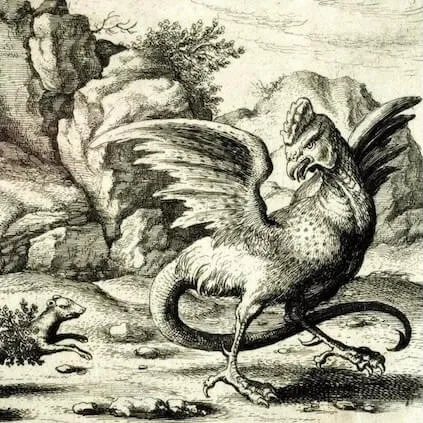
One of the most famous Bordeaux myths is the tale of the Basilic of Rue du Mirail. In the Middle Ages, Rue du Mirail was a busy, narrow street within the walled city. Legend says a terrifying basilic—a serpent or dragon-like creature with the power to kill with its gaze—made its lair in a dark well here.
People vanished. Animals refused to pass. The story terrified locals, and fear of the beast kept the street deserted after sunset. Eventually, a brave condemned prisoner struck a deal: he would face the creature if granted freedom. Armed with a mirror, he descended into the well. When the basilic saw its own deadly gaze reflected, it perished.
This legend reveals medieval Bordeaux’s mix of superstition and courage. Today, Rue du Mirail is peaceful, but some locals still speak of the Bordeaux basilic, and its story remains one of the city’s darkest and most enduring myths.
The Grosse Cloche and the Spirit of the Bell
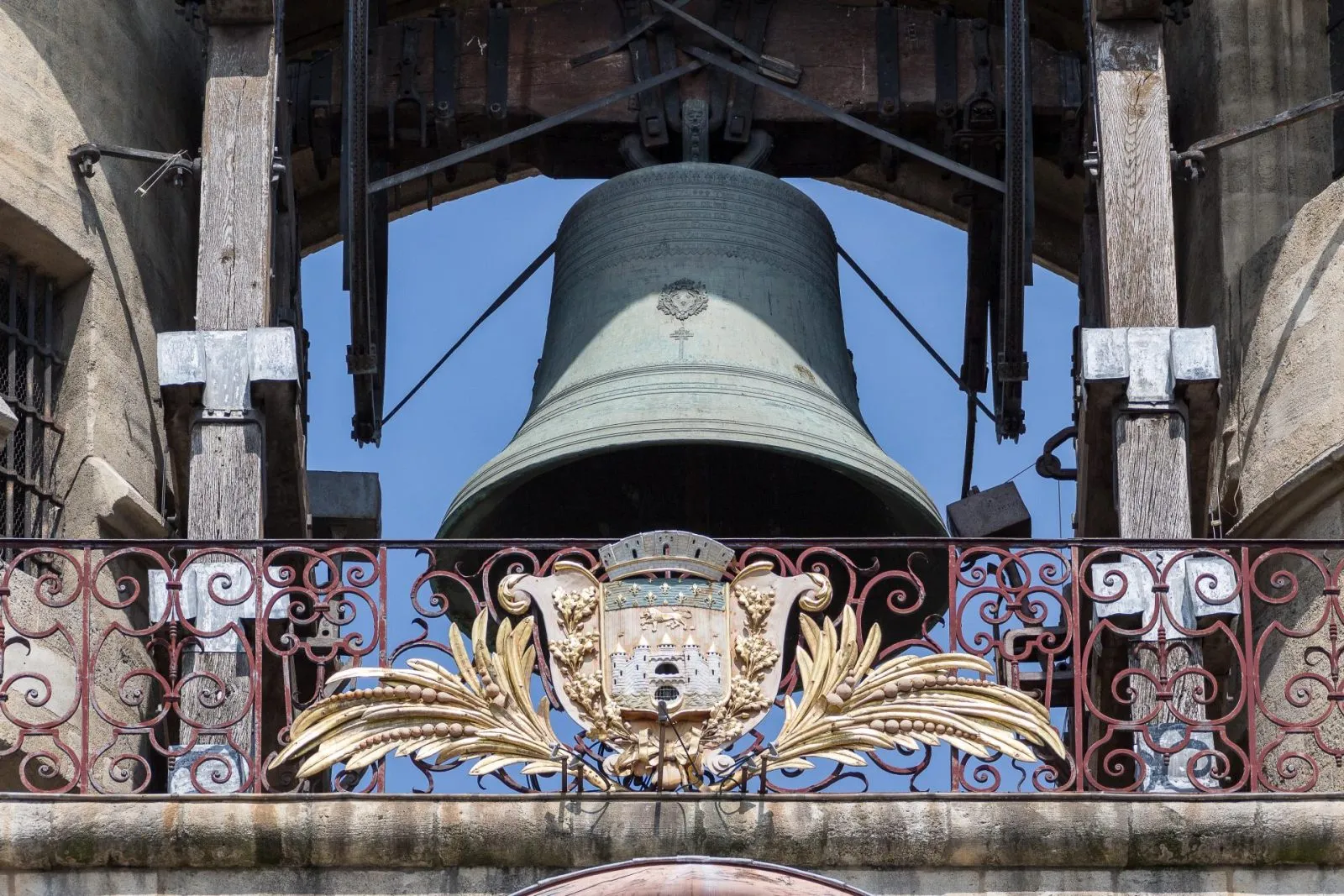
The Grosse Cloche is one of Bordeaux’s most iconic monuments: a grand 15th-century bell tower with twin conical roofs. But with beauty comes mystery. Many say the Grosse Cloche is haunted.
The bell once rang to warn of fires or to mark executions. According to legend, condemned prisoners could hear its toll as they awaited their fate. Some say the restless spirits of those who died still linger around the tower. Residents have reported hearing unexplained bell chimes at night when the bell is silent.
Others believe the Grosse Cloche symbolises freedom but carries a curse: it rang only to celebrate special events or to warn of disaster, and misusing it brought bad luck to the city. For centuries, the bell also announced the grape harvest, tying Bordeaux wine tradition to this haunting monument.
The Cursed Treasure of the Château Trompette
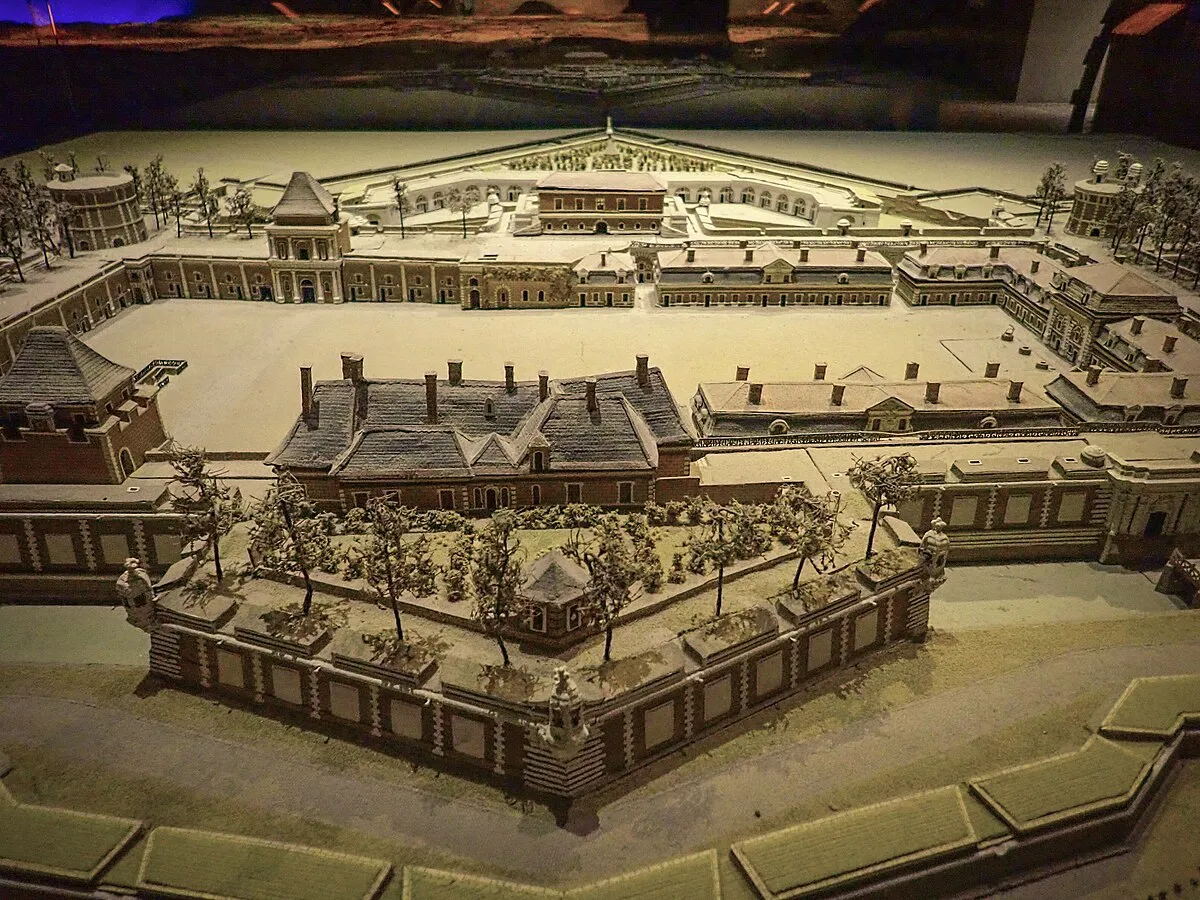
Long before the elegant Place des Quinconces, the mighty Château Trompette guarded Bordeaux’s port. Built in the 15th century by King Charles VII, it was a fortress to control the rebellious city after the Hundred Years’ War.
Rumour said the castle hid a cursed treasure: gold and jewels guarded by soldiers who betrayed their oath. According to folklore, any intruder seeking the treasure would suffer mysterious accidents or vanish. When the fortress was demolished in the 19th century, workers supposedly found traces of secret vaults but no treasure.
Today, the vast square shows no sign of this dark past, but the myth of the hidden treasure of Château Trompette still fascinates locals and treasure hunters.
The Ghosts of the Rue du Loup
Rue du Loup, or “Street of the Wolf,” hides several chilling stories. Its name may come from wolf attacks in medieval Bordeaux, when packs roamed the outskirts. Another legend says a man who once lived there could transform into a wolf—a Bordeaux werewolf tale whispered to frighten children.
Later, in the 17th century, people spoke of ghostly monks appearing along the street. Some said they guarded a secret underground passage leading from old convents to the Garonne River, used during times of plague and religious conflict. Walking here at night still feels charged with the mysteries of Bordeaux's past.
The Witch Gatherings on Place Pey Berland
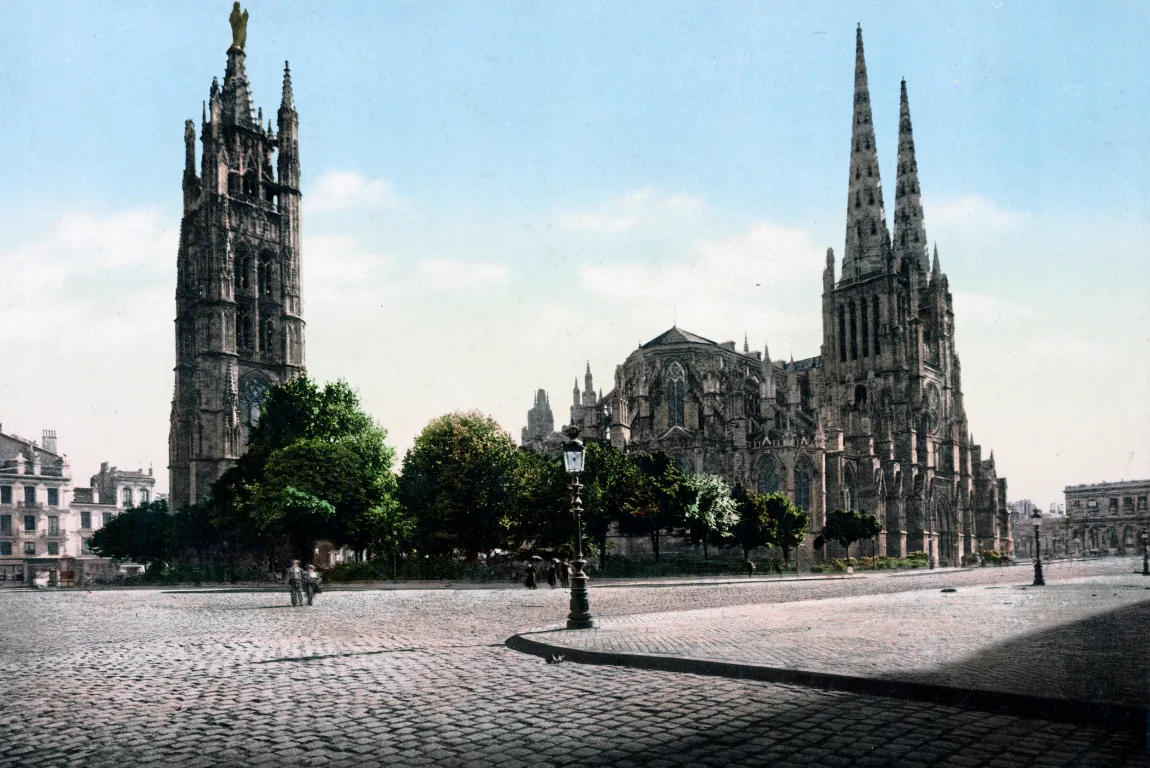
The magnificent Cathedral of Saint-André and the Pey Berland Tower dominate central Bordeaux, but medieval rumours told a darker story. Locals believed witches once gathered on the very spot where the tower now stands. They held midnight sabbats, danced with demons, and cast curses on merchants who crossed them.
When the Church built the bell tower in the 15th century, some said it was to reclaim the space from evil forces. Even today, the witch legends of Bordeaux add an eerie layer to this otherwise sacred site. Some ghost tours still speak of strange whispers and shadows around the tower after dark.
The Pont de Pierre and the Devil’s Bargain
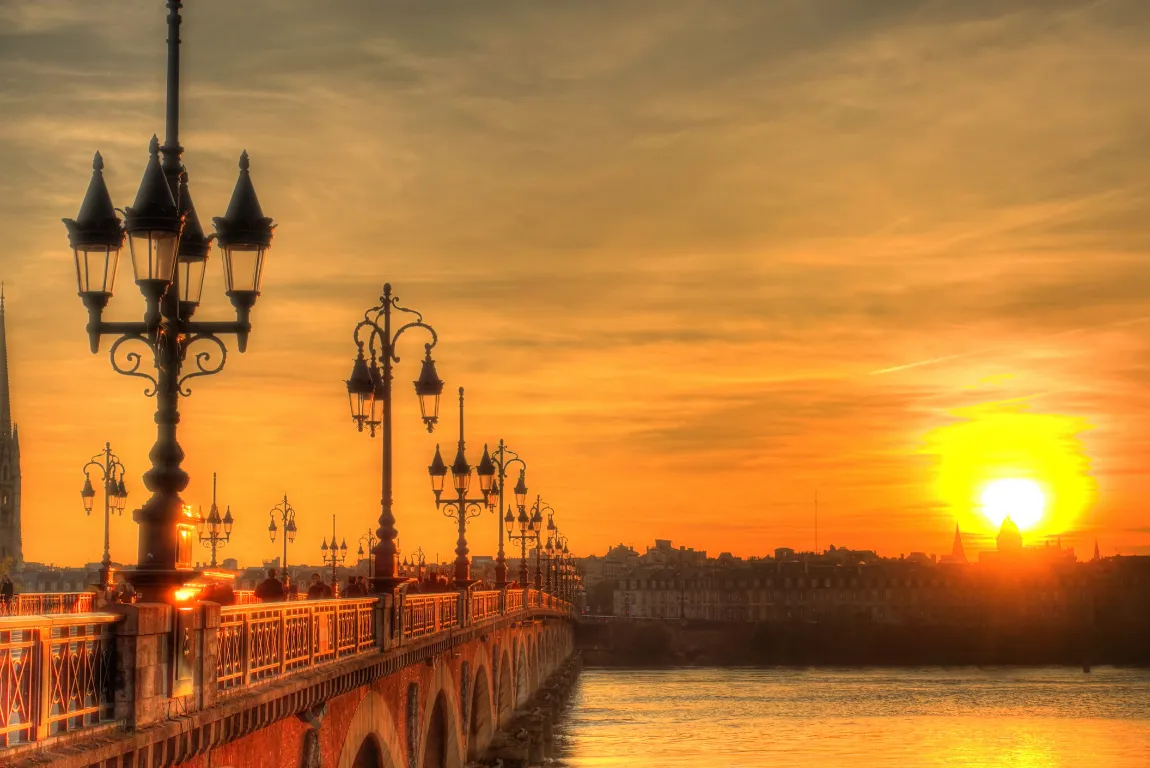
The Pont de Pierre, Bordeaux’s famous stone bridge crossing the Garonne, was ordered by Napoleon I but took years to build due to the river’s strong current and shifting sands. Folklore claims engineers made a pact with the Devil to finish the project.
In exchange for success, the Devil demanded the first soul to cross the bridge. To outsmart him, locals sent a cat across before any person could step on it. Furious at being tricked, the Devil is said to have cursed the bridge with floods and storms. Although the bridge has endured, locals still joke about its “Devil’s tax” whenever water levels rise.
Eleanor of Aquitaine’s Enigmatic Legacy
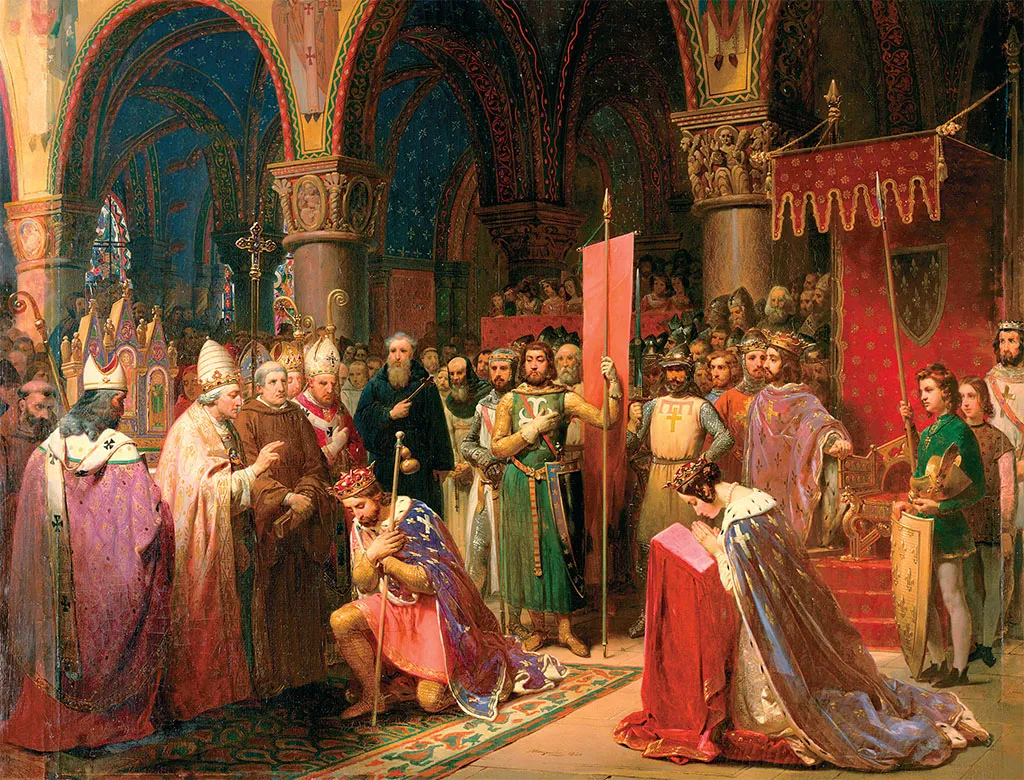
Eleanor of Aquitaine, queen of both France and England, left a permanent mark on Bordeaux. While she was a real historical figure, legends grew around her after her death. Some say Eleanor still walks the city on stormy nights, lamenting her lost power. Others believe she hid secret jewels somewhere near the Palais de l’Ombrière, her medieval residence.
Her marriage to Henry Plantagenet made the Bordeaux wine trade flourish, but the myths about her ghost reflect how deeply she is tied to the city’s identity. For many, Eleanor is the ultimate symbol of Bordeaux’s medieval grandeur and intrigue.
Hidden Tunnels and the City Beneath Bordeaux
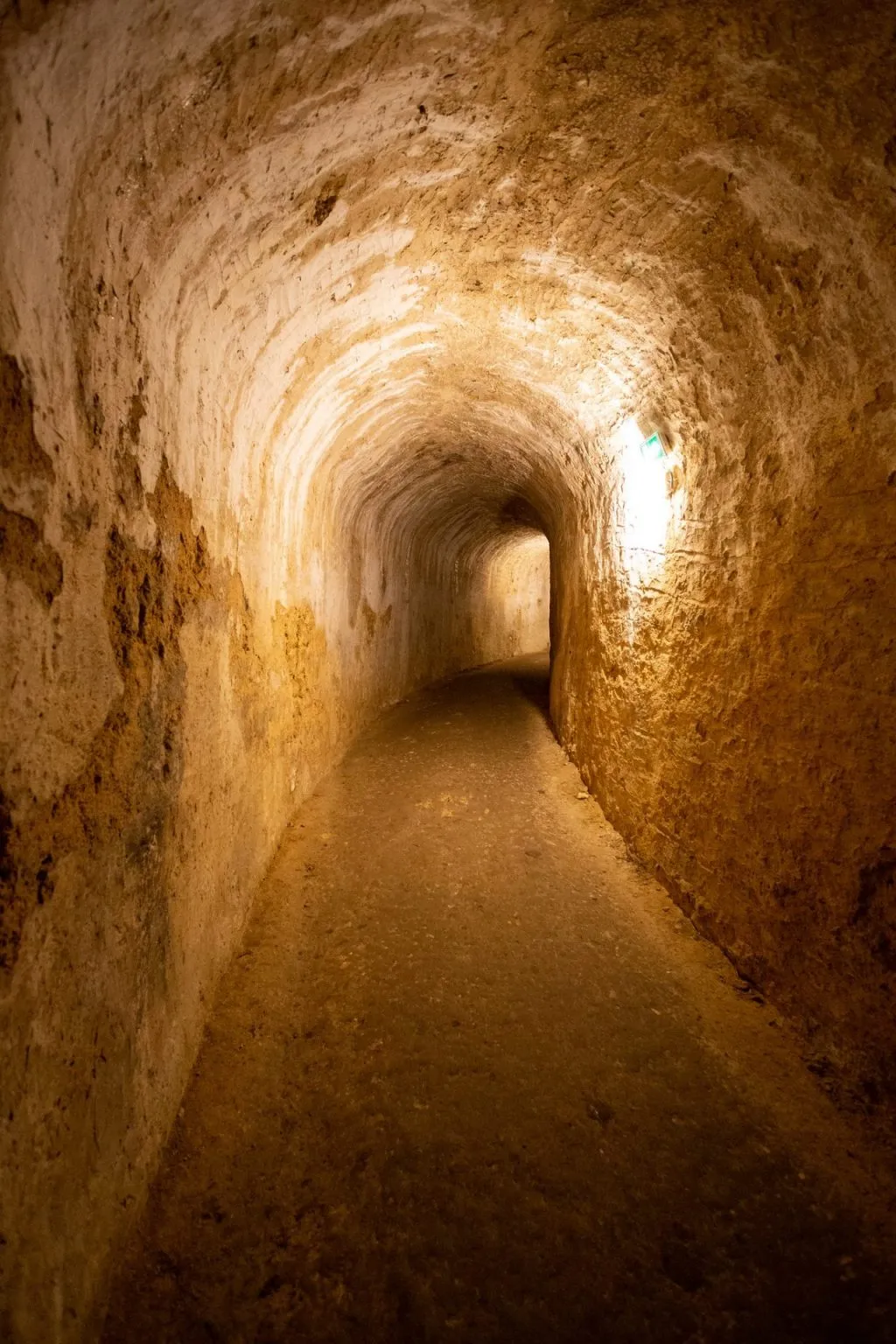
A network of hidden tunnels lies under Bordeaux, from ancient quarries to secret war shelters. These passages fuel countless myths. Some say smugglers used them to move wine and contraband unseen. Others believe secret societies met underground, performing rituals away from the public eye.
One chilling tale claims plague victims were secretly buried in sealed chambers beneath the city. Modern explorers occasionally find bricked-up doorways and unexplained graffiti, reinforcing the aura of danger and secrecy.
If underground Bordeaux fascinates you, explore our deep dive into Bordeaux’s secret tunnels and Cold War bunkers, where hidden passages and real subterranean history reveal a darker side of the city.
The Phantom Ship on the Garonne
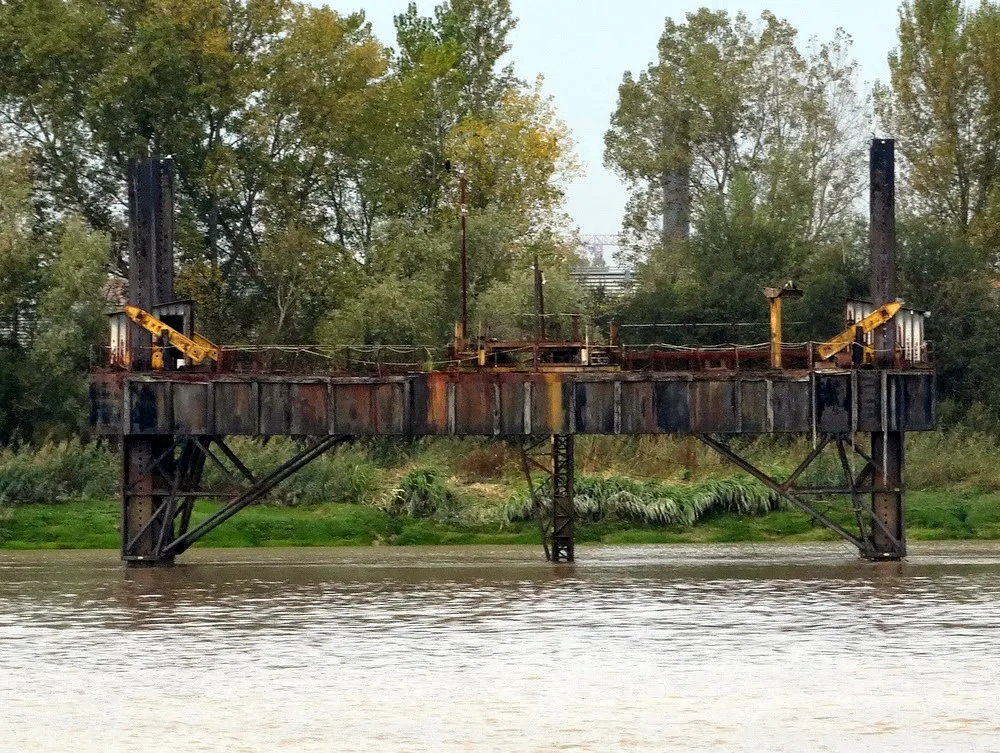
Sailors once feared the appearance of a ghostly phantom ship on the Garonne River. Described as an old merchant vessel shrouded in mist, it was said to foretell tragedy. Some believed seeing it meant storms or death at sea.
Given Bordeaux’s maritime past, where trade and shipping brought wealth and danger, it’s no surprise that sailors created this legend. Watching the river on a foggy night, one can imagine the silent outline of the phantom ship drifting past the quays.
The Miraculous Wine of Saint-Émilion
Though slightly outside Bordeaux, the medieval town of Saint-Émilion has its own captivating myths tied to wine. Legend says the hermit Émilion performed miracles, including turning water into wine for pilgrims. This miracle gave the region divine favour, explaining why Saint-Émilion wines are still revered.
Pilgrims once visited the cave where Émilion prayed, leaving tokens in hopes of blessings. For wine lovers, the myth intertwines faith and viticulture, reinforcing the magic surrounding Bordeaux vineyards.
The Cursed Bell of Saint-Michel
The soaring Saint-Michel Basilica has long been associated with omens. Its great bell, once among the heaviest in France, was said to toll on its own before disasters. Some claim it rang before outbreaks of plague or great floods.
Even after the bell was recast, rumours persisted. Local superstition says touching the bell brings misfortune, and many avoid it. The cursed bell legend contributes to the gothic feel of the Saint-Michel district, a neighbourhood rich with Bordeaux ghost stories.
Myths of Wine and the Devil’s Barrel
Wine itself inspires stories in Bordeaux. One tale says the Devil offered a miraculous barrel that never ran dry to a greedy merchant. But every sip took a year from the drinker’s life. The merchant grew wealthy selling endless wine, but aged rapidly and died alone. Today, the “Devil’s barrel” warns of the dangers of greed in the Bordeaux wine trade.
Another myth tells of wine turning to blood during a sacrilegious party, scaring the revellers into repentance. These stories reveal how deeply wine culture is woven into local morality and imagination.
Why These Legends Matter
The legends of Bordeaux are not just old stories; they shape the city’s identity. They reflect fears of plague, floods, invasion, and the unknown. They also celebrate courage, cleverness, and resilience. Many myths connect directly to real places you can visit: the Grosse Cloche, Pont de Pierre, Rue du Mirail, Place Pey Berland, and Saint-Michel.
Exploring these tales while walking the streets adds magic to any visit. For travellers wanting to uncover this hidden side of the city, guided tours are invaluable. Bordeaux Free Walking Tours is an excellent way to hear these stories in the places where they began, blending history, architecture, and folklore.