Secrets of Bordeaux: 10 Fascinating Facts Tourists Shouldn’t Miss
Bordeaux is known around the world for its wine, elegant architecture, and lively atmosphere, but beneath the surface lies a city full of hidden stories. Many travellers come for the UNESCO-listed city centre and the world-famous vineyards, yet miss the lesser-known details that make Bordeaux unique.
These secrets of Bordeaux offer a glimpse into its history, traditions, and unexpected curiosities. Whether you’re exploring on your own or joining a Bordeaux Free Walking Tour, these facts will give you a deeper appreciation of the city.
1. A Heart Beneath Pey Berland Cathedral
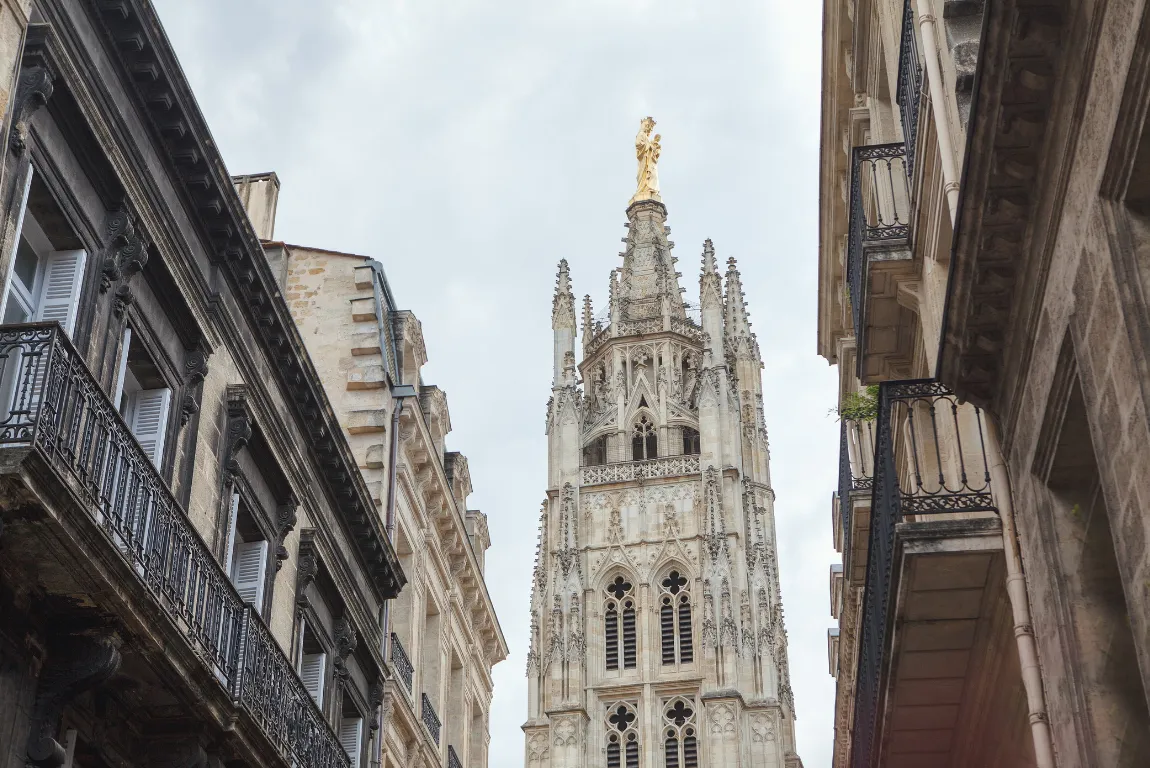
The Pey Berland Cathedral is one of the city’s most visited landmarks, admired for its Gothic design and soaring tower. But what most visitors don’t know is that beneath the cathedral lies the preserved heart of Archbishop François de Sourdis.
De Sourdis was a major figure in Bordeaux during the 17th century, overseeing religious life and urban projects. His heart was placed here in accordance with a tradition where important leaders were buried in parts—sometimes with the heart separated from the body.
Standing inside the cathedral, with sunlight streaming through the stained glass, it’s hard to imagine that under the stone floor lies this relic from centuries past. This small but powerful detail adds depth to the history of Bordeaux and its religious heritage.
2. Rue Sainte-Catherine – Europe’s Longest Pedestrian Street
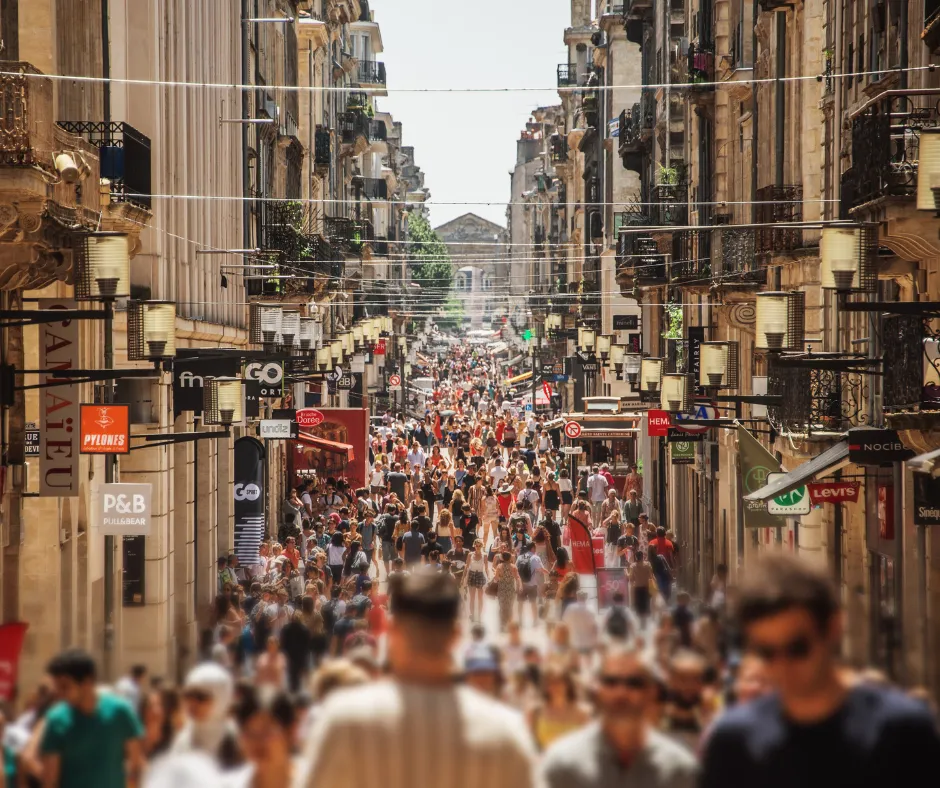
Spanning 1.2 kilometres, Rue Sainte-Catherine is officially the longest pedestrian street in Europe. It runs through the heart of Bordeaux, connecting Place de la Comédie near the Grand Théâtre to Place de la Victoire.
Every day, thousands of shoppers and sightseers stroll along its length, passing a mix of high-street brands, French boutiques, and historic buildings. The street has been a commercial hub for centuries, evolving from a medieval market route to the bustling retail avenue it is today.
If you visit during the soldes (French sales periods), Rue Sainte-Catherine becomes even more lively, with street performers and pop-up food stalls adding to the atmosphere. Its scale and vibrancy make it one of the most photographed streets in Bordeaux city centre.
3. The First City in France with a Wireless Tram
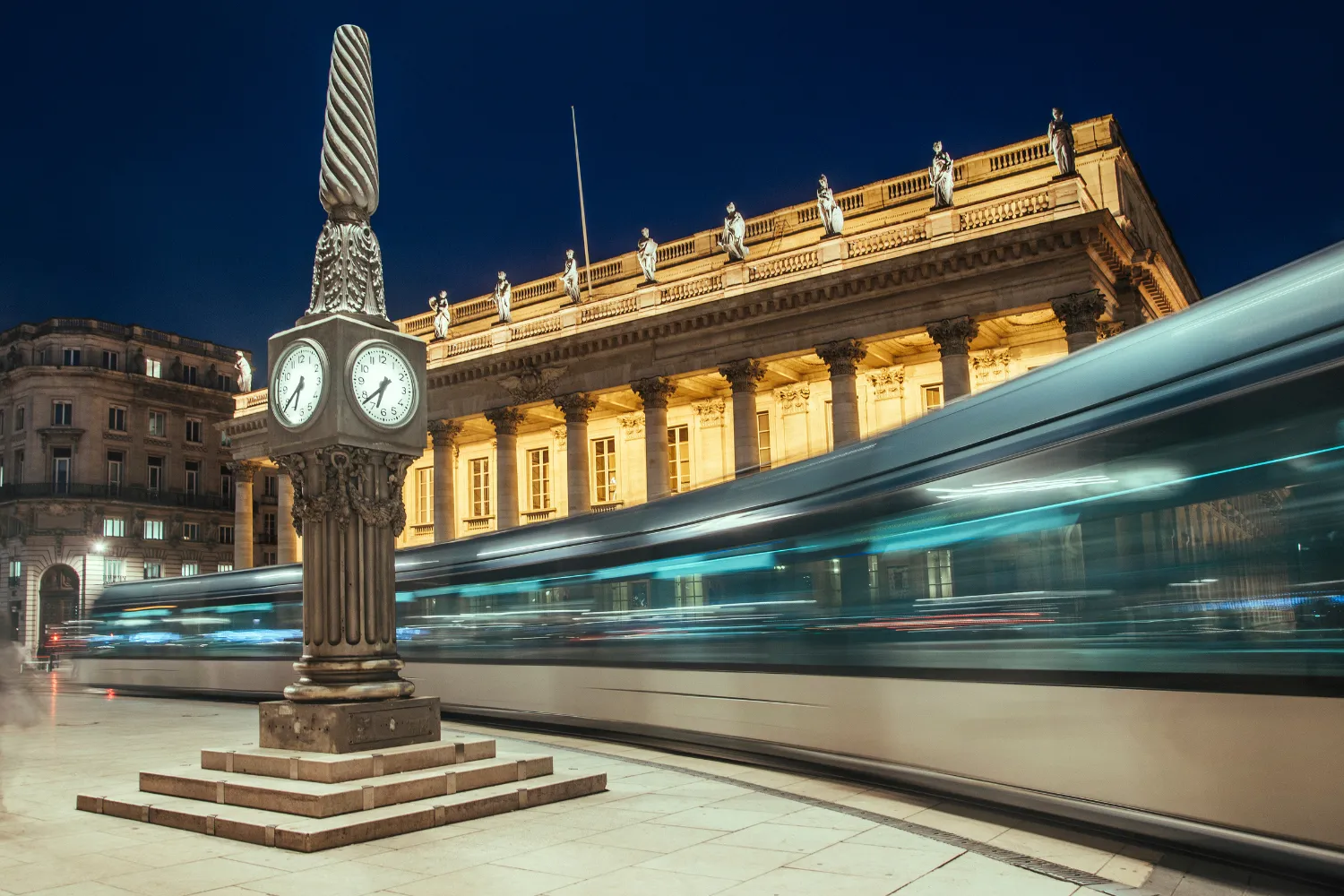
Bordeaux’s tramway is an example of how modern technology can blend with historic beauty. When the city redeveloped its tram network in the early 2000s, it faced a problem—how to introduce overhead electric lines without damaging the visual appeal of its UNESCO-listed architecture.
The solution was a ground-level power supply system, making Bordeaux the first city in France to implement a fully wireless tram in its historic core. This means that trams glide through the streets without the visual clutter of cables.
For tourists, it’s more than a transport innovation—it’s part of what keeps Bordeaux’s skyline so photogenic, especially around landmarks like Place de la Bourse and the Garonne quays.
4. Wrecks of German Ships in the Garonne
Bordeaux’s elegant riverfront hides a darker chapter. During the Second World War, several German ships were scuttled in the Garonne to block access to the port.
Today, at low tide, the remains of these vessels can still be seen protruding from the water in certain areas. They are rusted and broken, silent witnesses to a time when Bordeaux was a strategic location for the occupying forces.
For history enthusiasts, this is a reminder that Bordeaux’s wartime past is still visible if you know where to look. Walking along the riverbanks, especially during low tide, can turn into an unexpected history lesson.
5. Bordeaux – Capital of France Three Times
It might surprise visitors to learn that Bordeaux has acted as the capital of France three times—in 1870 during the Franco-Prussian War, in 1914 at the beginning of the First World War, and in 1940 during the Second World War.
In each case, the French government temporarily relocated to Bordeaux to avoid threats in Paris. The city’s strategic position, with its port and access to the Atlantic, made it a safe and practical choice.
These short-lived moments as the nation’s capital highlight Bordeaux’s political importance beyond its role as a wine hub. While exploring Bordeaux’s historic buildings, you might be walking past former government offices used during these turbulent times.
6. Bordeaux Wine’s Worldwide Reach
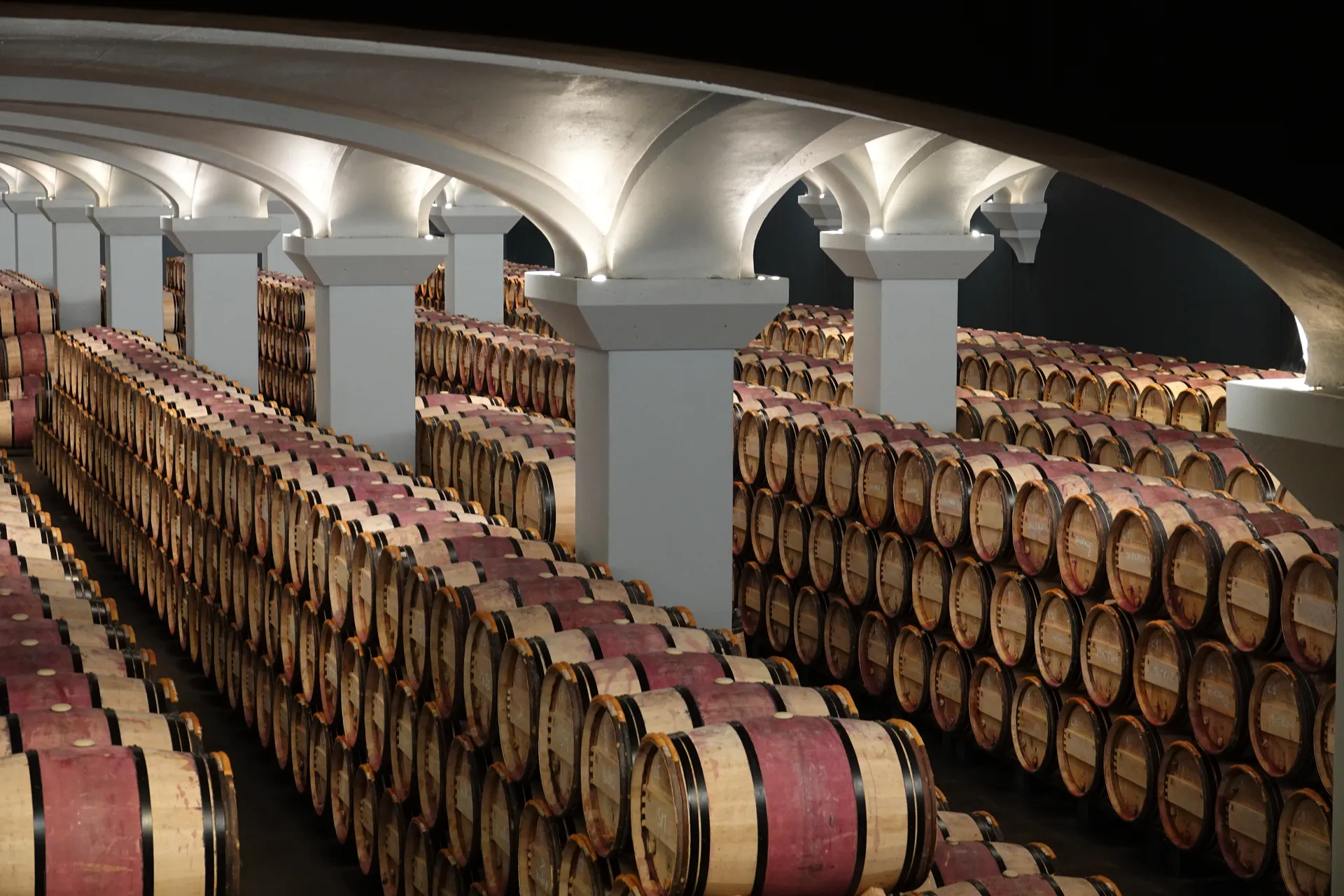
Few wine regions enjoy the global recognition of Bordeaux. One astonishing statistic stands out: every second, 18 bottles of Bordeaux wine are sold worldwide.
This immense reach is the result of centuries of winemaking expertise, international trade routes, and strong branding. Bordeaux’s appellations—such as Médoc, Graves, and Saint-Émilion—are celebrated from Tokyo to New York.
Visitors can immerse themselves in this tradition by taking a vineyard tour or enjoying a saint emilion wine tour, where the rolling landscapes and ancient cellars bring the statistics to life. It’s a reminder that Bordeaux’s influence extends far beyond France’s borders.
7. A Statue of Liberty in the Chartrons District
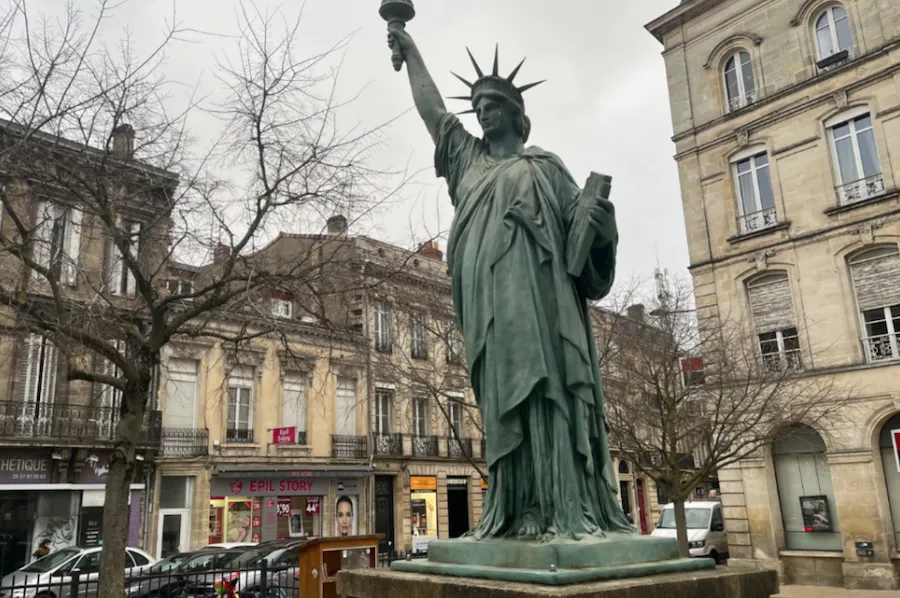
One of the more surprising Bordeaux hidden gems is found in Place Picard, in the historic Chartrons district. Here stands a smaller replica of the Statue of Liberty, linking Bordeaux to the Franco-American friendship symbolised by its New York counterpart.
The Chartrons area was historically home to wine merchants and international traders, so it makes sense that this district would house a monument representing global exchange. Many tourists come here for antique shopping or to enjoy the riverside cafés, unaware that this little slice of New York stands nearby.
8. The Oldest Vine in Bordeaux
Tucked away in the La Victoire district is a vine that has been growing for over 200 years, making it the oldest in the city. Incredibly, it still produces grapes.
This vine has seen empires rise and fall, wars pass, and the city transform around it. For visitors, it’s a charming reminder that Bordeaux’s wine culture isn’t confined to the countryside—it’s alive in the urban landscape too.
Wine lovers visiting La Victoire should look out for this living piece of history, which connects the present day to generations of Bordeaux winemakers.
9. A Colonial Port of Global Significance
Between the 17th and 19th centuries, the Port of Bordeaux was the second-largest French colonial port. It played a central role in trade, bringing goods such as sugar, coffee, and cocoa from overseas territories.
This prosperity funded much of the city’s beautiful 18th-century architecture, particularly along the riverfront. However, it’s also tied to the darker history of the transatlantic slave trade. Today, Bordeaux acknowledges this past through museum exhibitions and memorial plaques.
For visitors interested in Bordeaux heritage, this aspect of the city’s story offers a deeper understanding of how commerce shaped its identity.
10. The Colour-Changing Chaban-Delmas Bridge
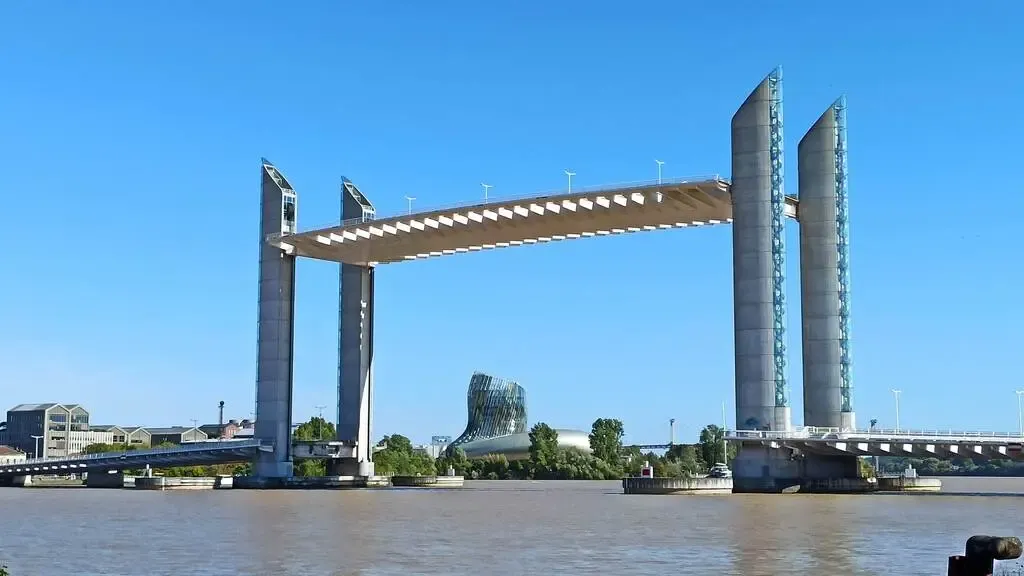
Completed in 2013, the Chaban-Delmas Bridge is a striking example of modern engineering in Bordeaux. Its central section can be lifted vertically to allow large ships to pass, making it one of the tallest vertical-lift bridges in Europe.
At night, the bridge’s lighting changes colour according to the tide—blue at high tide, green at low tide. This detail adds an element of beauty and symbolism, reflecting Bordeaux’s connection to the Garonne and the Atlantic beyond.
If you’re fascinated by Bordeaux’s river crossings, explore our complete guide to the eight bridges of Bordeaux, from the historic Pont de Pierre to modern engineering landmarks spanning the Garonne.
For travellers strolling along the waterfront in the evening, it’s a spectacular sight that blends modernity with the city’s maritime tradition.
Why These Secrets Make Bordeaux Special
For tourists, discovering these Bordeaux hidden facts transforms a visit from simple sightseeing into a richer cultural experience. Knowing the story behind a landmark or an everyday street allows you to see it in a completely new light.
Whether it’s spotting a centuries-old vine in a city square, watching a bridge change colour with the tide, or standing over a buried heart in a cathedral, each secret adds personality to the Bordeaux travel experience.
Joining a Bordeaux Free Walking Tour is one of the best ways to uncover these stories. Local guides not only share the history but also point out details you might otherwise miss, ensuring that you experience the city as more than just a collection of monuments.