Ports Near Bordeaux: Maritime History, Estuary Landscapes & Coastal Life
Ports are part of Bordeaux’s identity in a way that goes beyond ships and trade. They reflect centuries of movement — goods, people, ideas, flavours, cultures — that shaped the city into one of France’s most open and outward-looking places. But while Bordeaux itself has a long riverfront history, travellers often overlook the many ports scattered along the Gironde estuary, the Garonne, and the Atlantic coast. These ports reveal the region’s maritime character in a more intimate, human way.
Some are lively fishing harbours with colourful boats, others are quiet estuary ports where wooden carrelets stretch over the water. Some are gateways to coastal towns; others are small, atmospheric points where river and vineyard landscapes meet. Exploring these ports brings a deeper understanding of Bordeaux’s connection to the sea, the river, and the land.
This guide explores ports near Bordeaux through geography, culture, history, and modern life — from elegant riverfront quays to Atlantic-facing harbours. Each port carries a different mood and reveals a different facet of the region.
Bordeaux’s Own Port: A River City with an Ocean Spirit
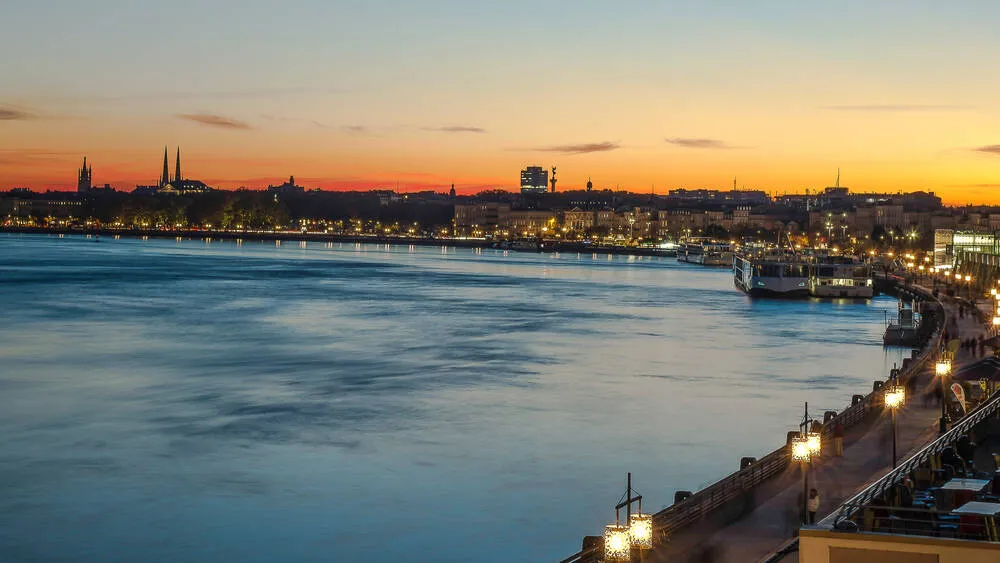
Before exploring the surrounding region, it’s important to understand that Bordeaux itself is historically a port city. Its elegant limestone façades hide centuries of maritime trade — wine, spices, timber, sugar, ceramics — that travelled through the Port de la Lune, named for the crescent shape of the river.
Port de la Lune
Port de la Lune
Today, it serves mostly as a cultural and recreational riverfront rather than a commercial port. Cruise boats, river shuttles, and small cargo vessels pass along the quays, giving Bordeaux its steady, calm waterfront rhythm.
Walking along the Garonne — from Chartrons to Saint-Pierre and toward Bastide — reveals remnants of Bordeaux’s maritime past: old warehouses, cranes, and quays redesigned for modern life.
But to feel the full character of the region’s maritime atmosphere, travellers often venture beyond Bordeaux to the ports along the estuary and coast.
The Gironde Estuary: France’s Largest Estuary & a Maritime Corridor
The Gironde estuary stretches from Bordeaux to the Atlantic, making it the largest estuary in France. The waterway widens dramatically as it moves north, creating a unique coastal landscape shaped by tides, fishing traditions, and small ports.
The estuary influences:
- The climate of the Médoc
- The architecture of riverside villages
- fishing techniques
- wine production
- the light and atmosphere of the region
Ports along the Gironde reflect this marriage of river and sea.
If you’re travelling north along the estuary toward the Atlantic, our detailed guide to the journey from Le Verdon to Bordeaux explores how these river landscapes gradually transform into vineyards, coastal light, and Médoc horizons.
Port of Blaye
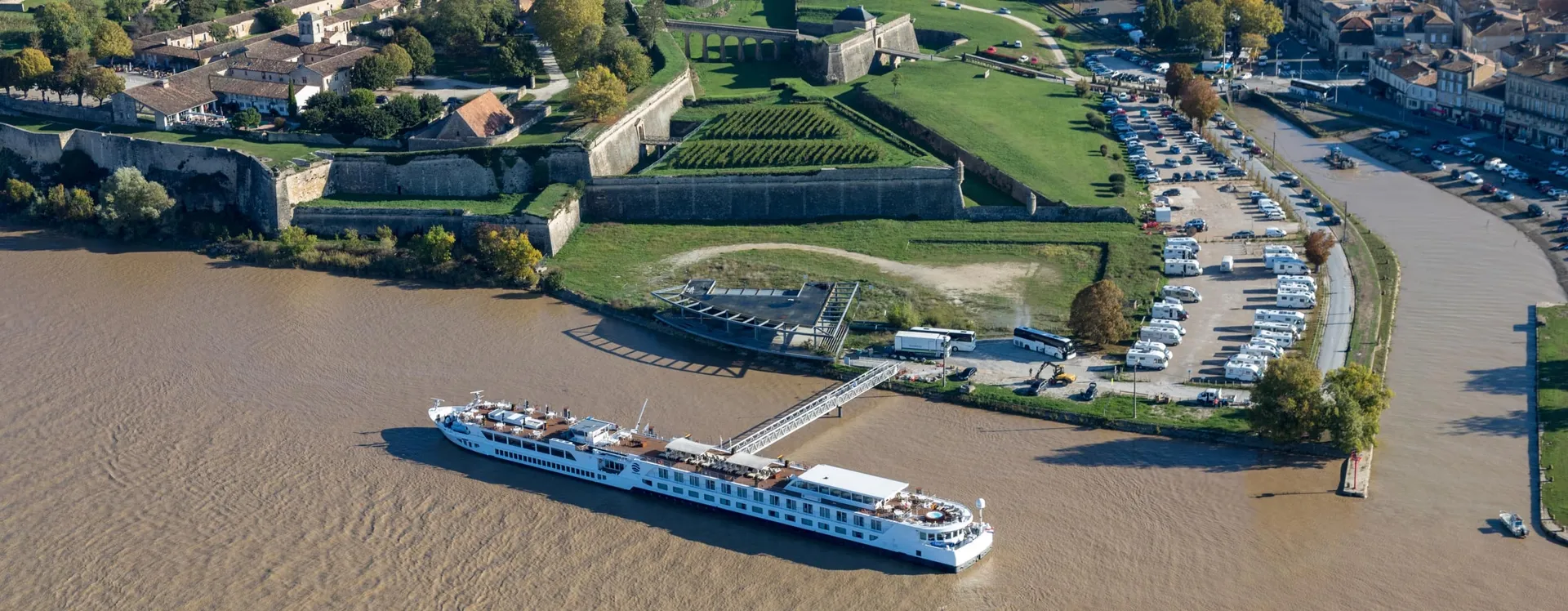
Blaye: Fortified Town with a River Port
Blaye is known for its impressive UNESCO-listed citadel, but the port below it offers one of the most atmospheric riverfronts near Bordeaux. Fishing boats line the quay, small ferries cross to the Médoc, and the estuary widens just enough for you to feel the scale of the river.
Why Travellers Visit the Port
- ferry connection to Lamarque
- cafés overlooking the water
- views of carrelets along the estuary
- calm walks beneath the citadel walls
Blaye’s port is gentle, relaxed, and steeped in historic defence architecture.
Port of Lamarque
Lamarque: Gateway to the Médoc Vineyards
Lamarque’s port is small but strategically located. It connects the right bank of the estuary (Blaye) to the left bank (Médoc) via a short ferry crossing. This makes it a key link for travellers heading into the prestigious wine regions of Pauillac, Margaux, and Saint-Julien.
Atmosphere
Quiet, rural, and surrounded by flat landscapes where vineyards seem to touch the water.
Nearby Highlights
- châteaux of Margaux
- carrelets along the estuary
- charming roads leading deeper into Médoc wine country
This port feels like a threshold — modest in scale but important in experience.
Port of Macau
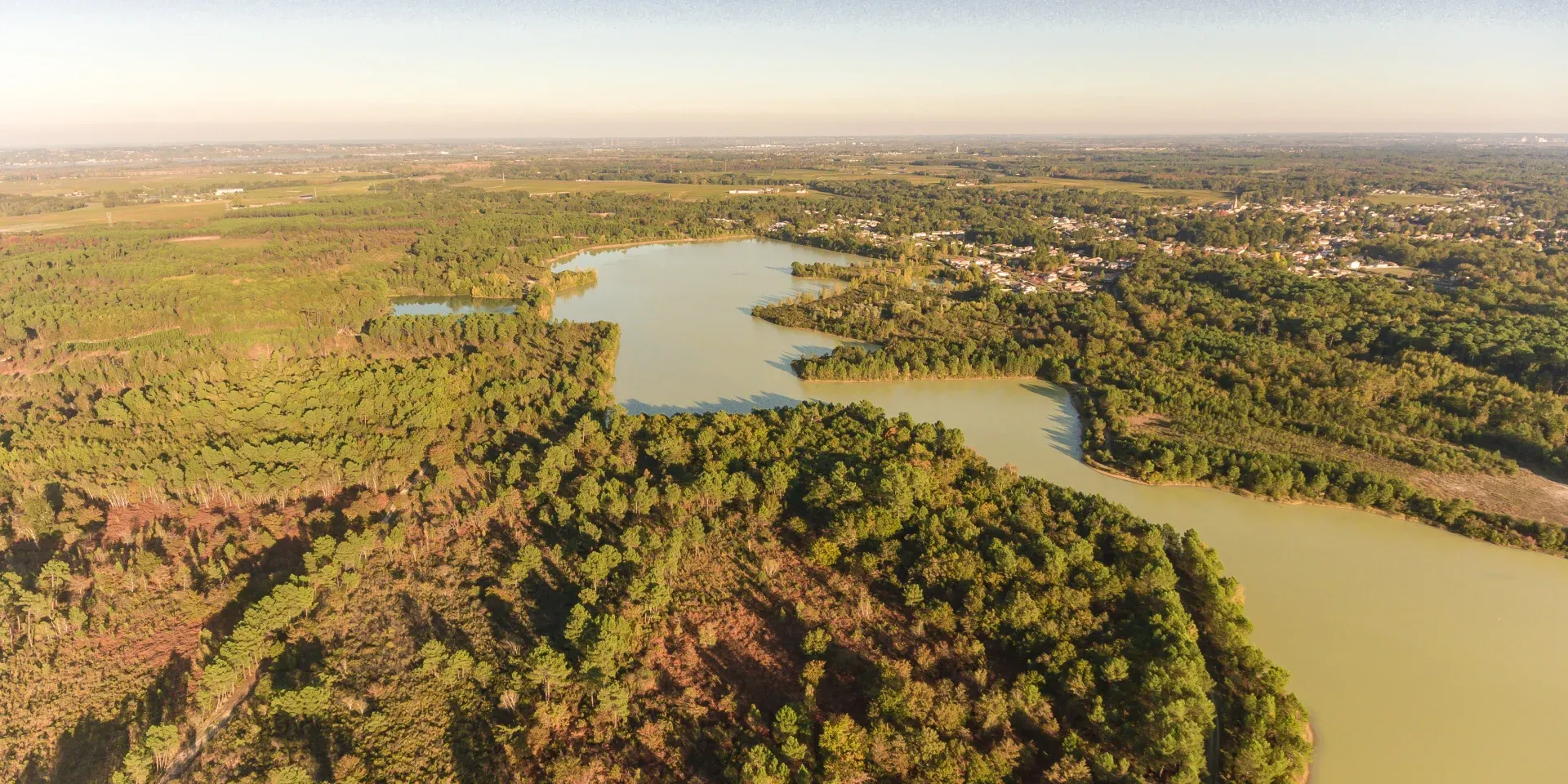
Macau: A Small Port on the Edge of the Vineyards
Macau sits between vineyards and the river. The port is simple — fishing boats, quiet docks, and walking paths — but it gives travellers a deeper sense of the Médoc’s maritime roots.
Why It Matters
Macau held historic significance for wine shipments before modern transport networks developed. Today, it offers calm waterside views and a glimpse of everyday life along the river.
Port Médoc (Le Verdon-sur-Mer)
Port Médoc
Close to Le Verdon-sur-Mer, Port Médoc serves as a marina and gateway to the Gironde mouth. It faces the Atlantic, giving it a more oceanic character compared with the river ports further south.
The atmosphere is windier, brighter, and more open. The boats here are larger, the walkways wider, and the maritime influence stronger.
Highlights of Port Médoc
- marina views
- proximity to lighthouse boat tours
- holiday atmosphere
- seafood restaurants in the surrounding villages
It feels like the beginning — or end — of the estuary journey.
Port of Pauillac
Pauillac: Wine Capital with a Charming Riverside Port
While Pauillac is better known for its grand châteaux, its port provides one of the most peaceful moments along the estuary. Wooden fishing huts line the riverbank, boats sway in the tide, and vineyards sit just behind the horizon.
Why Travellers Enjoy Pauillac’s Port
- relaxing riverside walks
- views of carrelets
- terraces facing the estuary
- direct proximity to famous Médoc châteaux
The port’s simplicity contrasts beautifully with the prestige of the surrounding vineyards.
Port of Saint-Christoly-Médoc
Saint-Christoly-Médoc: A Hidden Estuary Gem
This small port is one of the most picturesque along the Gironde. Rows of colourful fishing boats rest in calm water, old stone houses stand quietly, and narrow streets lead to the river’s edge.
Atmosphere
Warm, slightly nostalgic, and deeply tied to fishing tradition.
Travellers visit for calm walks, slow lunches, and estuary views that open wide across the water — soft light, gentle waves, and a sense of timelessness.
Port of Saint-Vivien-de-Médoc
Saint-Vivien-de-Médoc
Further north, this port carries a slightly livelier energy. Boats come and go, locals gather at cafés, and seasonal events sometimes take place along the waterfront.
What Makes This Port Special
It reflects a working estuary — real fishing boats, nets, maritime smells, and no pretence.
Visitors often stop here before continuing to Le Verdon or the Atlantic beaches.
Port of Meschers-sur-Gironde (Right Bank)
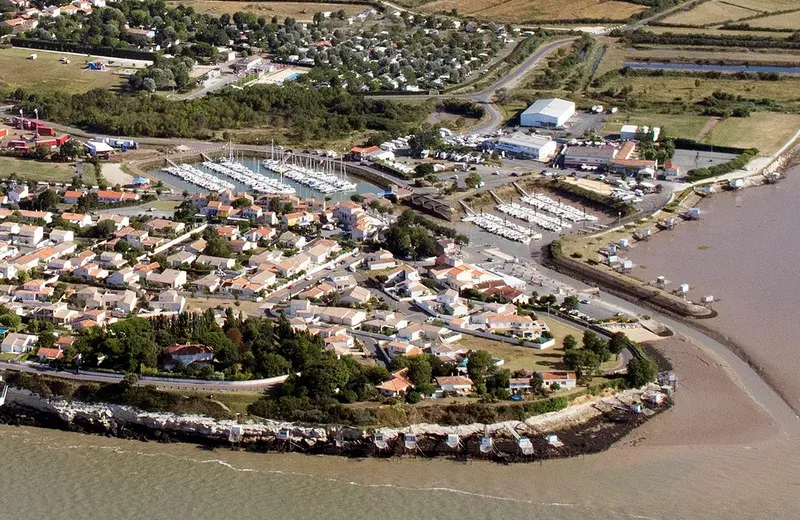
Meschers-sur-Gironde
Across the estuary, near cliffs and caves, lies Meschers-sur-Gironde. Although not on the Médoc side, it is an atmospheric port worth noting for travellers exploring the estuary more broadly.
Highlights
- cliffs carved with grottoes
- a marina sheltered from the winds
- quiet coves
- stunning views of the estuary’s width
It has a coastal charm that differs from the Médoc’s flat landscapes.
Port of Bourg-sur-Gironde
Bourg: One of the Most Charming Ports Near Bordeaux
South of Blaye, Bourg-sur-Gironde sits in a small cliffside village. The port is small and curved, offering romantic views of the river.
Stone houses, café terraces, and winding alleys create a mood that is half-river, half-hill-town.
Why It’s Worth Visiting
- the beautiful river views
- calm historic village
- artists’ studios and wine bars
- scenic walks
It’s a wonderful half-day trip from Bordeaux.
Port of Libourne
Libourne: Confluence of the Dordogne & Isle Rivers
Though technically further from Bordeaux, Libourne’s port is important for its river-trading history. The town served as a merchant hub for Dordogne valley wines, grains, and produce.
Today, Libourne’s port is elegant, calm, and framed by beautiful quays.
Atmosphere
A blend of river life and small-town charm.
Maritime Traditions That Shape the Region
Carrelets
Those iconic wooden fishing huts on stilts, found along the estuary from Blaye to Pauillac, speak to a form of fishing unique to the region.
Estuary Fishing
Techniques passed down through families, capturing fish species adapted to brackish water.
Tides
The estuary’s tide movements shape life along the ports — fishermen, boat departures, and river currents all depend on them.
Wine Shipping History
Before modern rail and roads, barrels travelled down these rivers to Bordeaux for export.
The ports remain traces of this history.
Ports & Bordeaux’s Walking Culture
Many travellers begin by walking Bordeaux’s quays to understand the city’s river identity before exploring the ports around the estuary. A welcoming way to do this is with Bordeaux Free Walking Tours:
https://bordeauxfreewalkingtours.com/
Their routes introduce the stories that link the riverfront to the wider region.
A Final Reflection on Ports Near Bordeaux
Exploring the ports near Bordeaux means travelling through landscapes shaped by water — estuary villages, fishing huts, vineyards touching the river’s edge, cliffs, pine forests, and maritime towns. Each port reflects a different mood and reveals a different connection between land and water.
Some ports feel rustic and quiet, others elegant and historical, others maritime and oceanic. Together, they express the region’s identity — a blend of inland vineyards and maritime horizons.
To understand how all these elements come together in Bordeaux itself, walking through the city with Bordeaux Free Walking Tours adds depth to the journey:
https://bordeauxfreewalkingtours.com/
Exploring these ports brings you closer to the geography, culture, and lifeblood of south-western France.