Le Verdon to Bordeaux: Vineyards, Landscapes & the Médoc Journey
Travelling from Le Verdon-sur-Mer to Bordeaux offers one of the most atmospheric journeys in south-western France — a route shaped by vineyards, estuary landscapes, maritime light, and the quiet pride of the Médoc region. It is a stretch of land where the Atlantic meets the Gironde estuary, where pine forests lean toward ocean breezes, and where some of the world’s most significant wine estates grow in seemingly ordinary countryside. The journey is slow, reflective, and rooted in geography; everything here — the soil, the wind, the water — shapes the culture of the Médoc.
For travellers, the route between Le Verdon and Bordeaux provides a rare sense of continuity. You begin near the Pointe de Grave, where the estuary opens into the ocean, and follow a landscape that gradually transforms into rolling vineyards, elegant châteaux, and small villages that carry centuries of wine tradition. Whether you travel by car, bicycle, ferry, or train, the Médoc reveals itself in layers, offering something new with each kilometre.
This long-form guide explores the journey in depth: the character of Le Verdon, the vineyards of northern Médoc, the coastal ambience, wine culture, landscapes, and the feeling of approaching Bordeaux through places shaped by centuries of craftsmanship.
Le Verdon-sur-Mer: Edge of the Estuary, Gateway to the Médoc
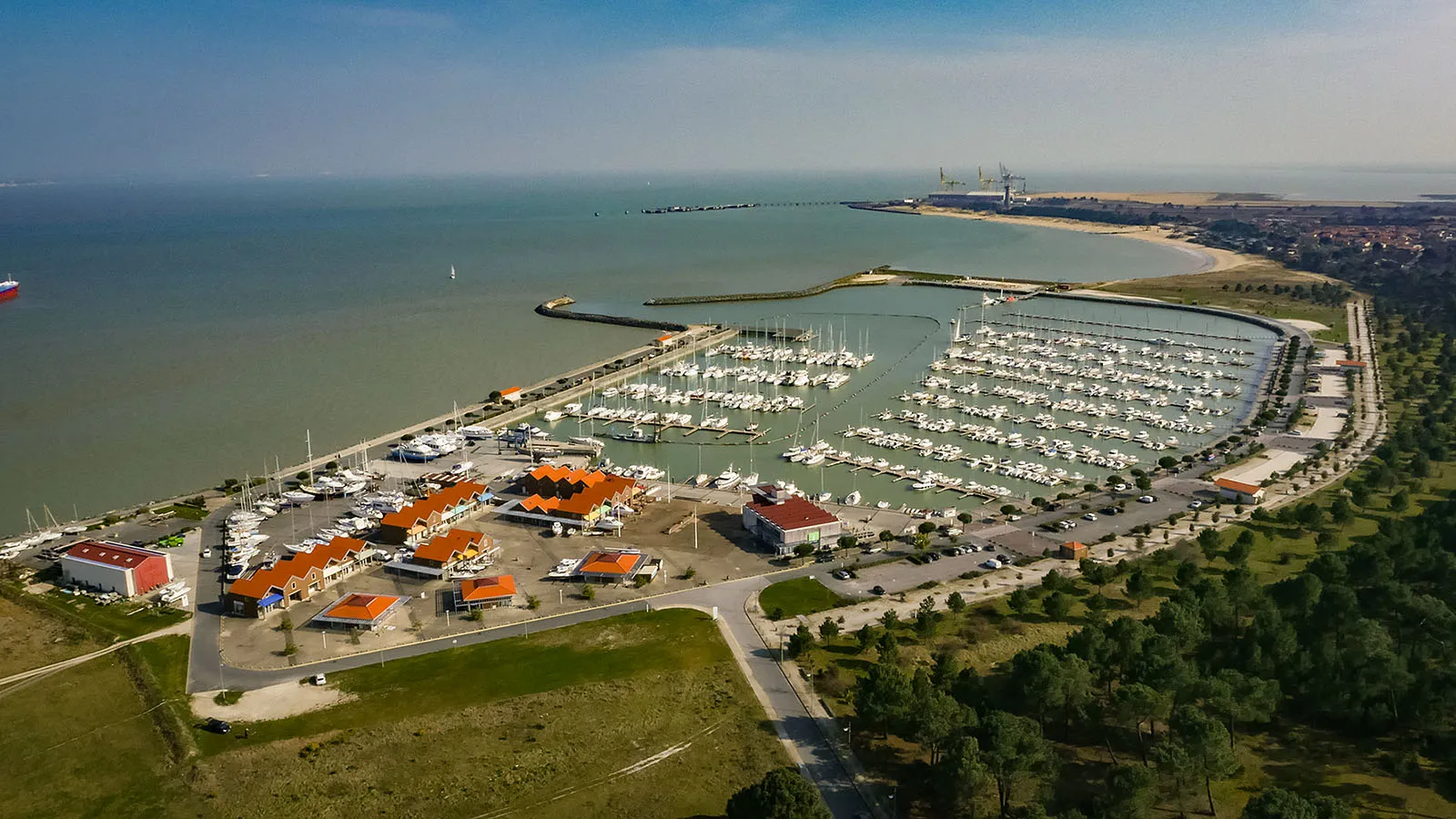
Where the Gironde Meets the Ocean
Le Verdon-sur-Mer is the final point of the Médoc peninsula. Here, the Gironde estuary opens wide, merging with the Atlantic under shifting skies. Salty air mingles with the damp scent of the estuary, and the horizon feels endless. It is a place defined by movement — tides, winds, fishing boats, ferries — yet the atmosphere is peaceful.
The Pointe de Grave Viewpoint
Pointe de Grave
Standing at the northern tip, you see both the estuary and the ocean; the lighthouse of Cordouan appears like a quiet sentinel. The view marks the symbolic beginning of the Médoc route.
Ferry from Le Verdon to Royan
Ferry Terminal Le Verdon
This short ferry crossing connects the Médoc to Royan, adding a maritime note to your journey. Even if you don’t take the ferry, the port area offers a gentle introduction to the region’s coastal personality.
Le Verdon feels simple, remote, and rooted in its environment. It’s a peaceful starting point before entering the world of vineyards.
Northern Médoc: The Untouched, Quiet Wine Country
The northern Médoc is unlike the more famous southern appellations. Here, vineyards mingle with open fields, pine forests, and small villages. The atmosphere is rural and authentic, focused more on farming and local life than on grand châteaux.
Soulac-sur-Mer
Soulac-sur-Mer
A charming seaside town with 19th-century villas and long sandy beaches. Though known mainly as a coastal holiday destination, Soulac is surrounded by modest vineyards and agricultural landscapes that show the diversity of Médoc terroirs.
Vineyards of Northern Médoc
The northern Médoc includes appellations such as:
- Médoc AOC
- Haut-Médoc AOC
- Lesser-known family estates
These vineyards offer:
- approachable wines
- small-scale production
- fewer tourists
- genuine conversations with winemakers
Names vary by season and availability, and many estates remain family-run without major publicity, maintaining a deeply rural and authentic character.
Driving or Cycling from Le Verdon to Bordeaux
The D1215 Route
The main road following the peninsula southward is a landscape in motion:
- pine forests giving way to vineyards
- quiet roundabouts connecting small villages
- fields stretching toward the estuary
- châteaux appearing unexpectedly between tall trees
Driving is easy and scenic, while cycling offers an immersive experience through pine-scented air and open countryside.
Cycling the Médoc Routes
The Médoc is known for its long, flat terrain — ideal for cycling. Cyclists often follow routes near Soulac, Vendays-Montalivet, Lesparre, and Saint-Laurent-Médoc.
Pine forests provide shade, and villages offer quiet stops for pastries or simple meals. Wine estates appear along the way, many welcoming spontaneous tastings.
The Central Médoc: Vineyards Gaining Structure
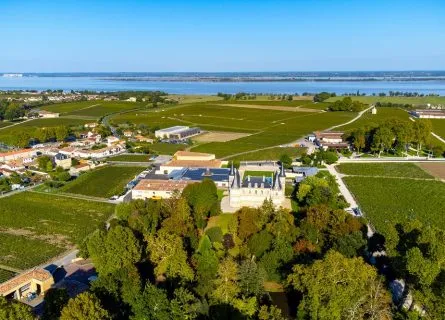
As you travel south, the vineyards become more defined. Terroirs change subtly, and the landscape begins to show the transition toward the prestigious southern Médoc appellations.
Lesparre-Médoc
Lesparre-Médoc
A practical centre of the northern Médoc. Not touristy, but home to local markets, cafés, and regional life. It marks the threshold between rural Médoc and the more developed vineyard areas.
Saint-Laurent-Médoc
A gateway to the southern winemaking region. Vineyards become more concentrated, and estates gain architectural sophistication. Still calm, still agricultural, but with hints of the Médoc prestige to come.
The Legendary Southern Médoc: Home of the Great Châteaux
From Saint-Laurent southwards, the Médoc reveals its most celebrated side — the land of grand cru wineries and world-renowned appellations. Even for travellers who do not consider themselves wine experts, the atmosphere of these landscapes is striking. Châteaux appear like elegant silhouettes across rolling vineyards, each carrying centuries of tradition.
Saint-Julien, Pauillac & Saint-Estèphe
These three appellations form the heart of Médoc prestige.
Pauillac — Capital of the Médoc Vineyards
Pauillac
The town feels deeply tied to wine. Cellars, river views, tasting rooms, and châteaux nearby create an atmosphere of calm sophistication.
Pauillac produces some of the world’s most celebrated wines. The vineyards surrounding the town are neat, precise, and intensively managed, reflecting a philosophy of excellence.
Saint-Estèphe
Saint-Estèphe
A calm, slightly rugged village with powerful wines shaped by gravelly soils and maritime breezes. The atmosphere feels slightly more rustic compared with Pauillac, reflecting the structure of its wines.
Saint-Julien
Known for harmony and elegance, Saint-Julien’s vineyards stretch across gentle slopes. Many estates here specialise in balanced blends.
Famous Châteaux You’ll See Along the Route
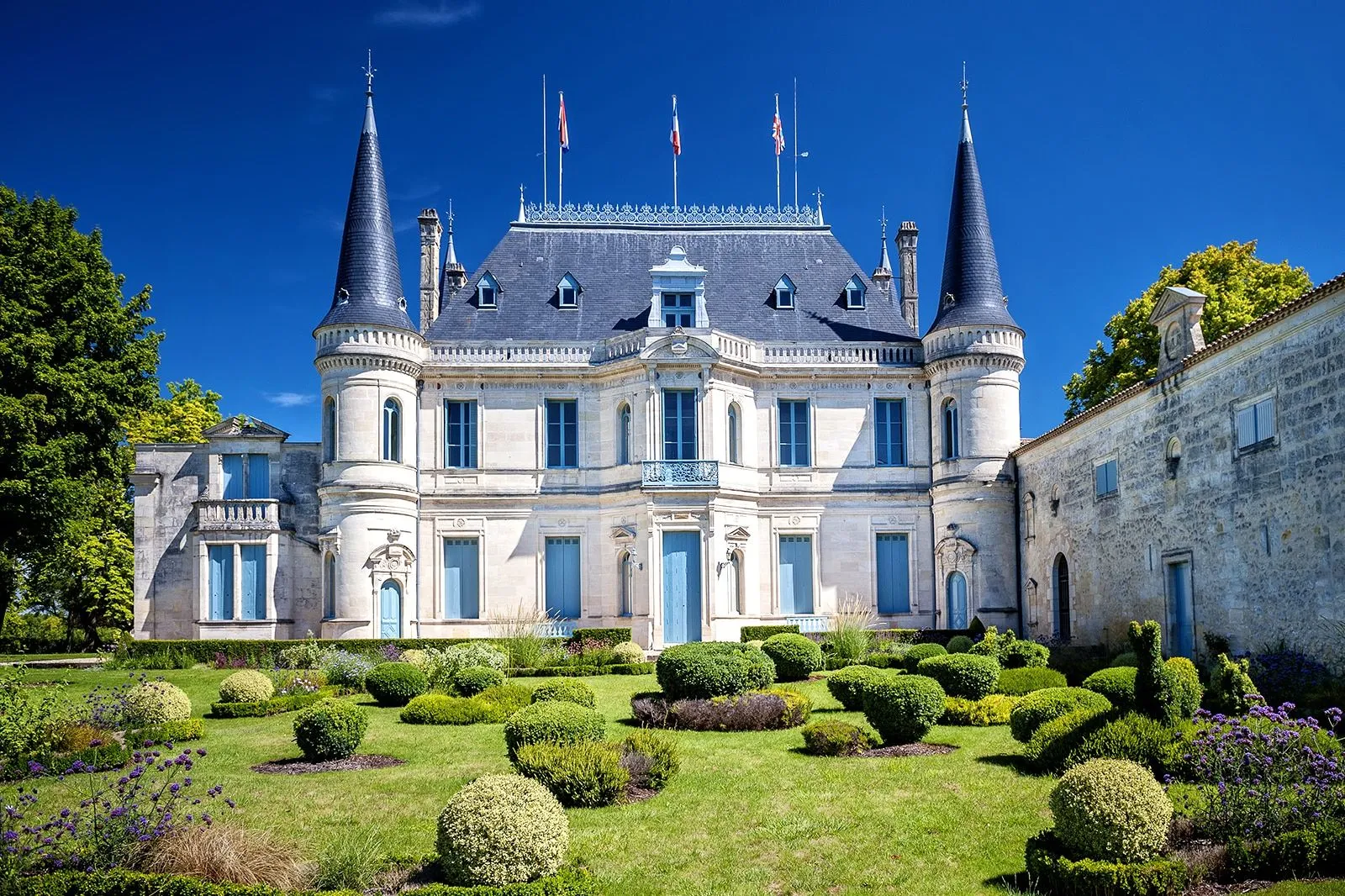
Château Lafite-Rothschild
Château Lafite Rothschild
An iconic Pauillac estate with global prestige.
Château Mouton Rothschild
Château Mouton Rothschild
Famous for its wine labels designed by renowned artists.
Château Latour
One of the most respected estates in the Médoc.
Château Pichon Baron & Château Pichon Comtesse
These two neighbouring châteaux are architectural landmarks in the Médoc.
Château Cos d’Estournel
Château Cos d'Estournel
Known for its exotic architectural style and exceptional wines.
Travelling through this region feels like reading the pages of wine history.
Wine Culture Along the Médoc Route
Terroir & Atmosphere
The Médoc’s personality is shaped by:
- gravel soils that drain quickly
- Maritime influence from the estuary
- Sun exposure is beneficial for ripening
- careful vineyard management
- centuries of craftsmanship
Wine here is not just production — it is identity. Villages are built around it, traditions emerge from it, and families preserve it through generations.
To understand how regions like the Médoc shaped the city’s global reputation, explore how Bordeaux became the wine capital of the world, tracing the history that connects these vineyards directly to the city’s international prestige.
Tasting Experiences for Travellers
Many estates welcome visitors, though reservations are often recommended for major châteaux.
Small family estates offer intimate, educational tours where winemakers explain terroir, blending, barrel ageing, and vintage differences.
The Médoc route gives travellers an accessible window into Bordeaux’s wine culture, even without extensive knowledge.
The Gironde Estuary: A Constant Companion
For much of the route, the Gironde estuary lies to the east, creating a unique maritime microclimate.
Views of the estuary appear between vineyards, dotted with carrelets — wooden fishing huts on stilts. Light shifts constantly across the water, giving the landscape a poetic character.
The estuary also influences grape-growing conditions, moderating temperature and protecting vineyards from extremes.
Approaching Bordeaux: Suburbs, Vineyards & Forests
As you move south, Médoc landscapes begin blending with the outskirts of Bordeaux.
Small communes and vineyards appear:
- Ludon-Médoc
- Parempuyre
- Blanquefort
These areas mark the transition from rural countryside to the elegant, urban structure of Bordeaux.
Blanquefort
A suburb with historical sites, parks, and remnants of old estates. It feels peaceful, green, and connected to nature.
Entering Bordeaux: A Shift in Rhythm
The moment you enter Bordeaux, everything changes — architecture becomes refined, streets widen, limestone façades appear, and the city’s cultural heartbeat begins to hum.
The Médoc journey prepares you for Bordeaux’s elegance. After hours of vineyards and countryside, the city’s grand boulevards feel almost theatrical.
Travellers often begin their visit with a walking tour of the centre to understand how Bordeaux’s urban beauty connects with the landscapes surrounding it. A welcoming option is Bordeaux Free Walking Tours:
https://bordeauxfreewalkingtours.com/
Practical Tips for Travelling the Route
Best Season
Autumn is particularly beautiful — golden vines and soft light.
Best Travel Mode
- car for flexibility
- bicycle for immersion
- train for speed
- ferry connections for variety
Weather
Expect maritime winds and coastal freshness near Le Verdon.
Food Stops
Small village restaurants, bakeries, and wine-country cafés welcome travellers warmly.
A Final Reflection: The Soul of the Médoc Journey
The route between Le Verdon and Bordeaux feels like a gradual revelation. It carries you from the raw energy of the Atlantic to the disciplined beauty of vineyards, from small villages to world-famous wine estates, and finally to the refined elegance of Bordeaux itself. The Médoc is not theatrical or overtly dramatic — its beauty lies in quiet details, long horizons, and traditions shaped slowly over time.
If you take the journey unhurriedly, stopping at viewpoints, tasting rooms, estuary paths, and village cafés, you feel its depth. You sense how the landscape shapes the region’s wines and how its rhythm influences local life.
To better appreciate Bordeaux after this journey, walking through its historic centre with Bordeaux Free Walking Tours offers context and storytelling:
https://bordeauxfreewalkingtours.com/
The Médoc route is more than a road — it is a passage through the geography, culture, and heart of south-western France.