Wine and Food Pairings in the Bordeaux Region: How Locals Do It
A Taste of Bordeaux
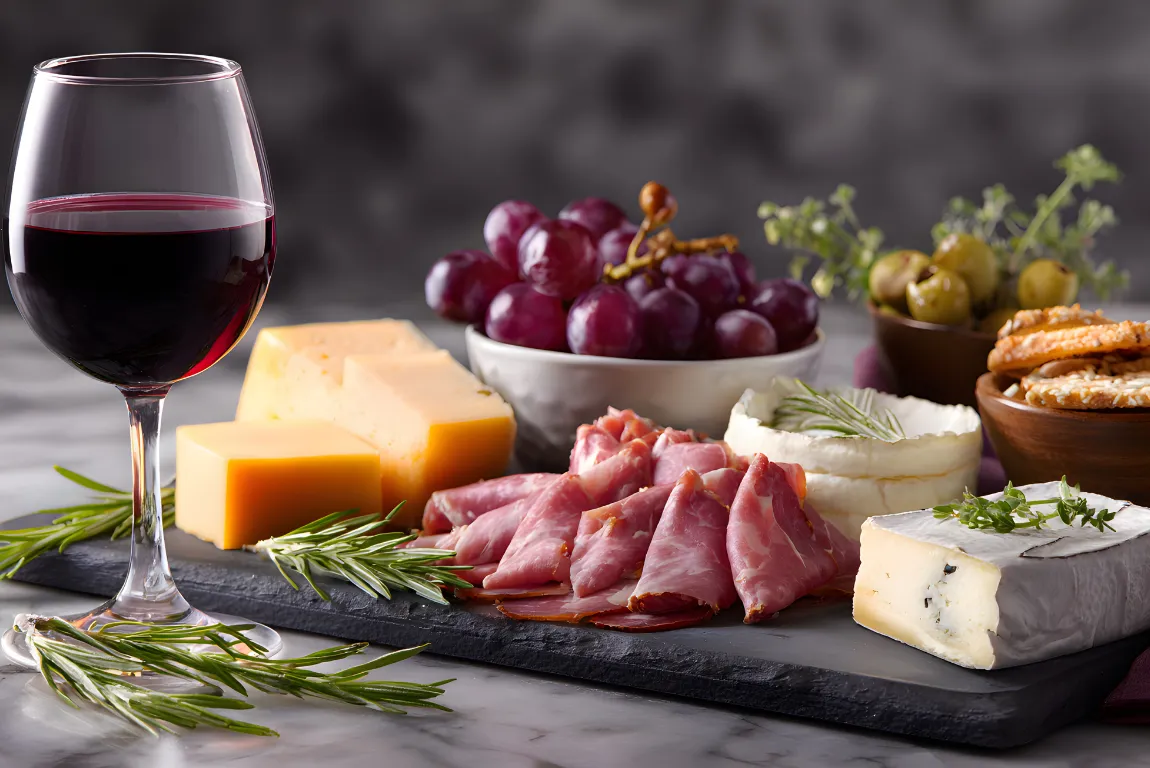
In Bordeaux, wine and food are inseparable. The region’s traditions, family recipes, and even social rhythms revolve around what’s poured into the glass and what’s served on the plate beside it. While the city is celebrated for its grand wines, locals approach pairing with ease and intuition — balancing flavors, textures, and moods rather than strict rules.
For travelers, understanding how Bordeaux residents eat and drink is one of the most authentic ways to experience the region. Whether you’re sharing oysters by the river, tasting cheese in a market, or enjoying a bottle with friends on the quays, Bordeaux’s culture comes alive through the harmony of its food and wine.
Joining a Bordeaux Free Walking Tours experience helps set the scene — walking through the very streets and markets where this culinary culture was born, and where it continues to thrive today.
The Bordeaux Way: Balance Over Perfection
Bordeaux’s approach to pairing is guided by one principle: balance. The region’s cuisine is built on freshness, local ingredients, and respect for seasonal produce. Meals are never rushed; they evolve slowly, with conversation flowing as naturally as the wine.
In homes and restaurants alike, pairing is less about technical matching and more about contrast and harmony. A structured red finds its counterpart in tender meat, while a crisp white cuts through the richness of seafood. Locals rarely overthink it — they simply understand what their wines were made to accompany.
Because Bordeaux’s wines vary so widely — from mineral-driven whites to full-bodied reds and luscious dessert wines — every meal offers an opportunity for discovery.
Red Bordeaux and Local Classics
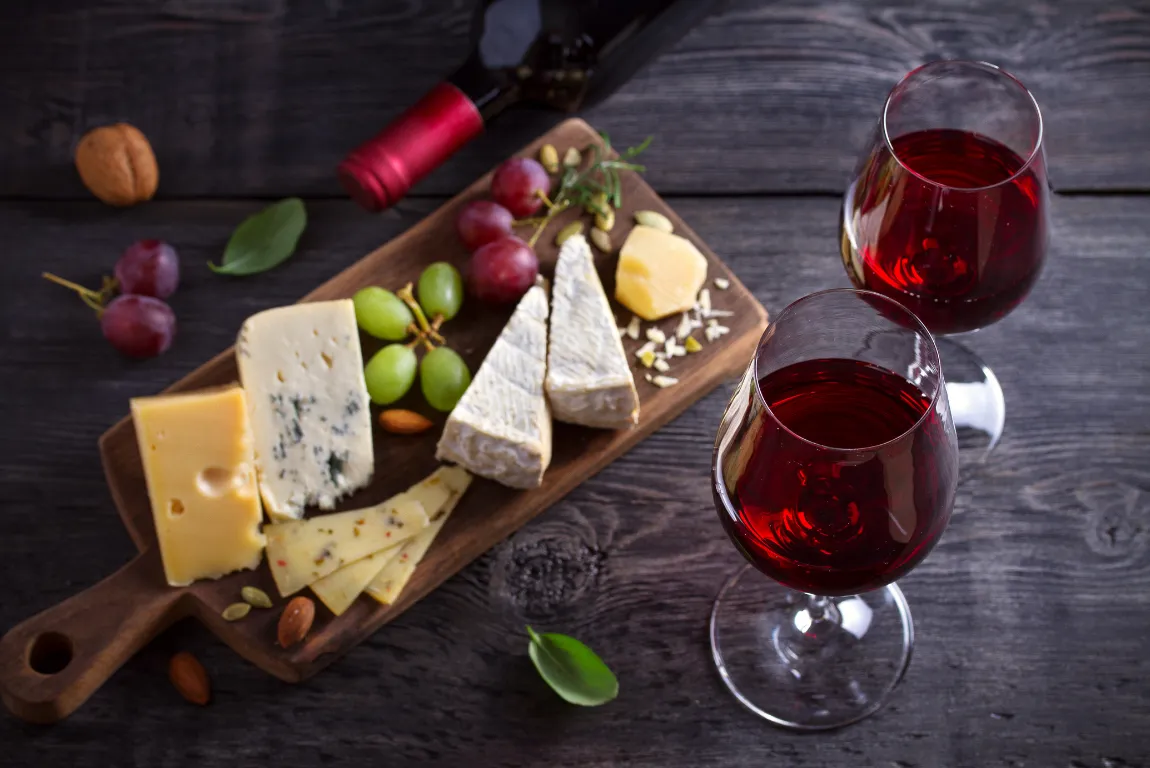
The heart of Bordeaux wine culture lies in its reds, crafted mainly from blends of Cabernet Sauvignon, Merlot, and Cabernet Franc. These wines differ by subregion: Left Bank wines (Médoc, Graves) are powerful and structured, while Right Bank wines (Saint-Émilion, Pomerol) are softer and rounder.
Duck and Red Bordeaux
Ask any local what to drink with magret de canard (duck breast) or confit de canard, and the answer is immediate: a red from the Right Bank. The richness of the duck pairs beautifully with Merlot-based wines, whose soft tannins and ripe fruit enhance the dish’s savoury depth.
Lamb from Pauillac
On the Left Bank, locals turn to Pauillac lamb, a regional delicacy raised in the Médoc. It’s served roasted or with herbs and garlic, often accompanied by a Cabernet Sauvignon from the same area. The pairing feels natural — the wine’s tannins complement the meat’s texture, while its earthy notes reflect the land both come from.
Steak Bordelaise
This signature dish — grilled beef topped with a shallot and red wine sauce — practically demands a glass of Graves or Haut-Médoc. The depth of the sauce mirrors the structure of the wine, creating one of Bordeaux’s most satisfying local combinations.
At the city’s brasseries, steak Bordelaise is still a lunchtime staple, often served with pommes frites and a carafe of house red. It’s a simple but perfect match.
White Bordeaux and Fresh Pairings
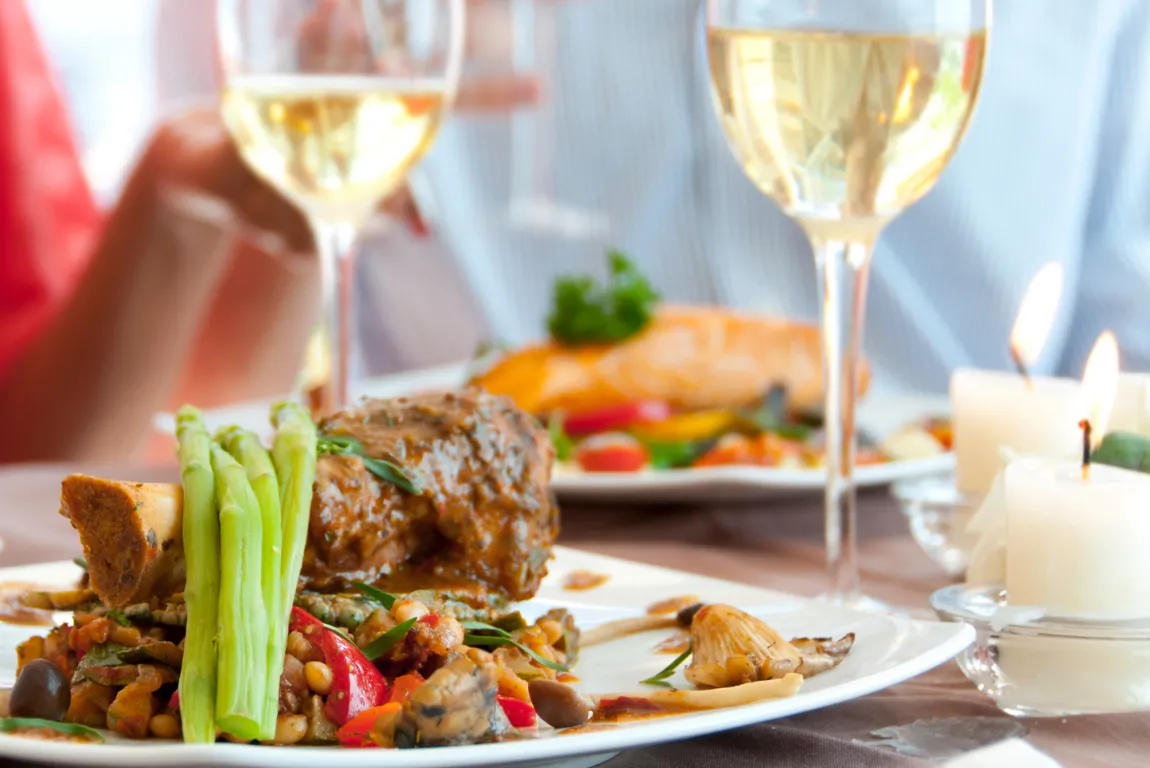
Bordeaux’s white wines, though less famous than its reds, are some of the most versatile in France. Made from Sauvignon Blanc, Sémillon, and sometimes Muscadelle, they range from light and citrusy to round and honeyed.
Oysters from Arcachon Bay
No pairing defines the region better than fresh oysters and white Bordeaux. At markets like Marché des Capucins, locals gather around oyster stalls with a glass of chilled Entre-deux-Mers or Graves Blanc. The briny freshness of the oysters meets the wine’s zesty acidity — a pairing so beloved it’s practically a ritual.
Fish from the Garonne and the Atlantic
Whether it’s grilled seabass, cod, or river fish, locals choose crisp whites from Pessac-Léognan or Entre-deux-Mers. These wines balance minerality and citrus, making them perfect for seafood dishes or vegetable-based starters.
Goat Cheese and Sauvignon Blanc
Soft, tangy chèvre pairs beautifully with Sauvignon Blanc’s herbal, green notes. Many bistros serve this combination as a light lunch option — simple, fresh, and unmistakably local.
Sweet Wines and Unexpected Matches
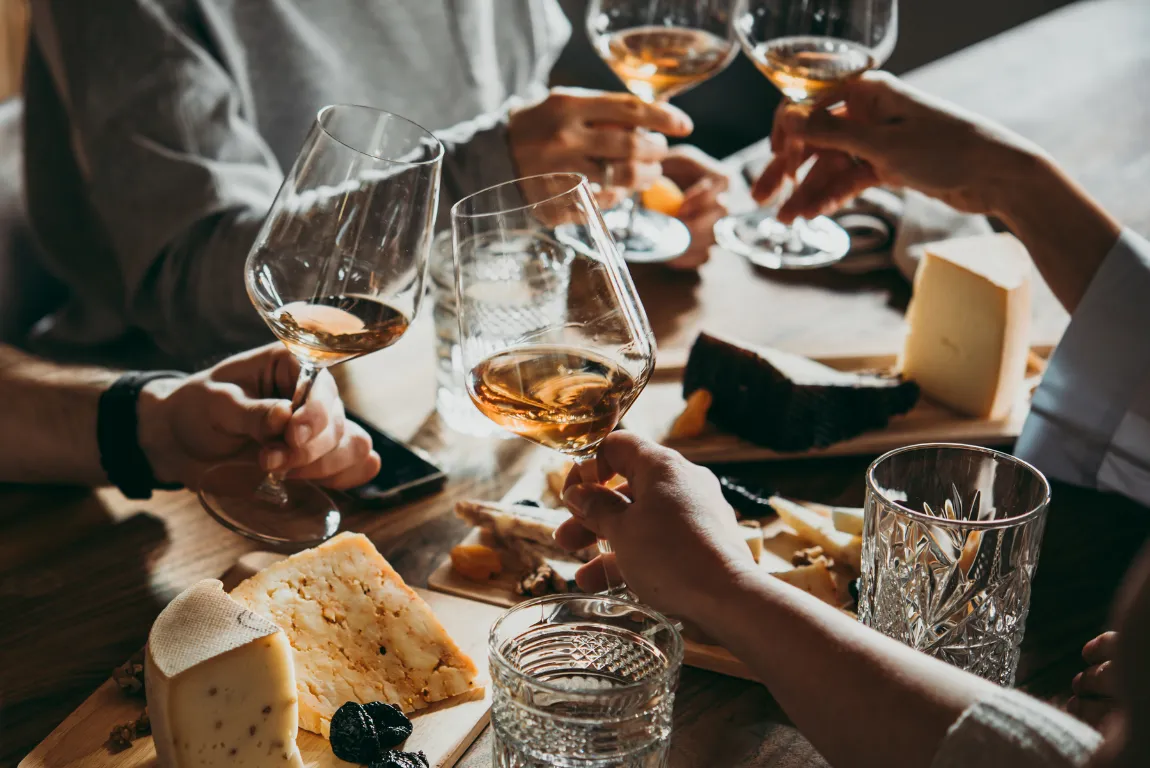
Bordeaux’s sweet wines, particularly those from Sauternes and Barsac, have long been associated with dessert. However, locals often enjoy them in savory contexts that surprise visitors.
Foie Gras and Sauternes
This is one of the region’s most iconic pairings. The sweetness of the wine complements the rich, buttery foie gras, creating a contrast that feels indulgent yet balanced. It’s often served as a starter during festive meals or special occasions.
Blue Cheese and Sweet Whites
Bold blue cheeses like Roquefort or Bleu des Causses match perfectly with Sauternes or late-harvest wines from Loupiac. The wine’s honeyed notes temper the saltiness of the cheese, creating harmony on the palate.
Dessert Wines with Fruit
Locals also pair sweet wines with lighter desserts — poached pears, tarts made with apricots or plums, or simply a bowl of strawberries. It’s a refreshing way to end a meal without overwhelming sweetness.
Rosé, Clairet, and the Summer Table
When the weather warms, Bordeaux’s rosé and clairet wines take center stage. Clairet, an old regional speciality, sits between a rosé and a light red, offering juicy red fruit flavours and soft texture.
Locals drink these wines with summer meals — salads, grilled vegetables, charcuterie, and seafood. They’re the wines of picnics, riverbanks, and terraces.
In summer, it’s common to see groups gathered by the Quais de Bordeaux with glasses of rosé, fresh bread, and cheese — a simple, everyday pleasure that defines Bordeaux living.
Cheese, Charcuterie, and Sharing Boards
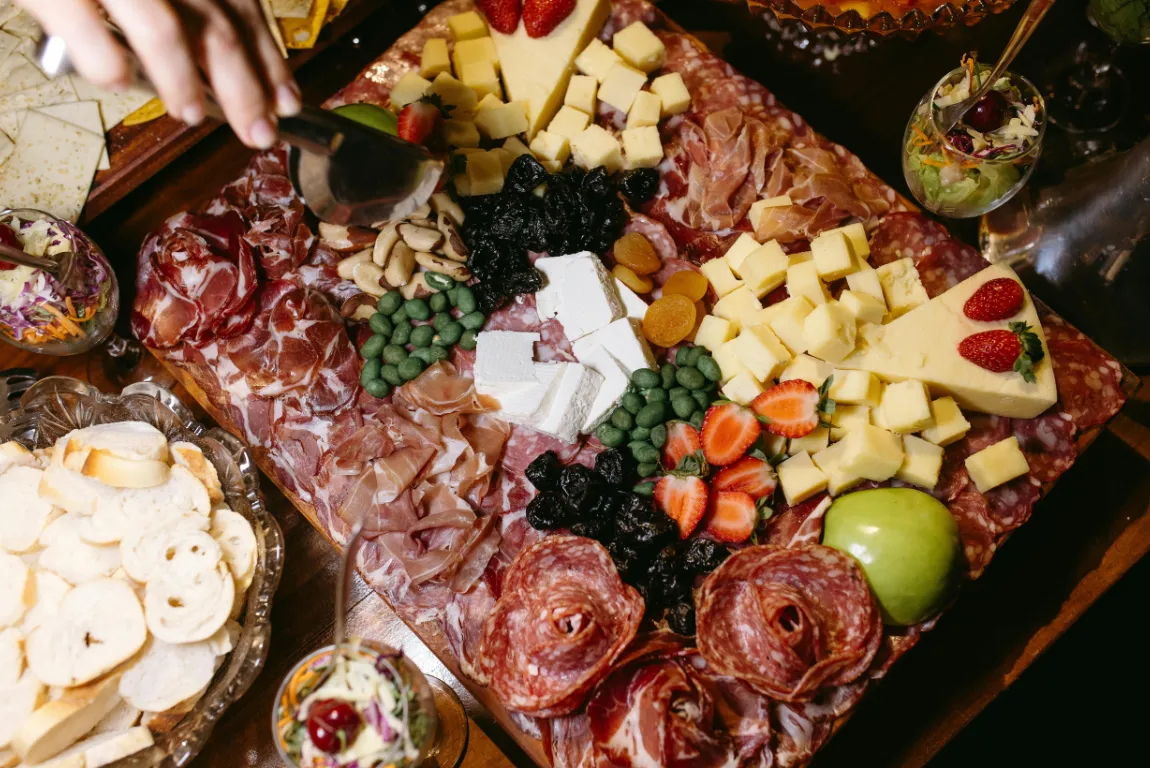
In Bordeaux, sharing boards is part of the local food culture. Whether at a wine bar or a home gathering, cheese and charcuterie are never far from the table.
Local Cheeses
While Bordeaux is not a cheese-producing region itself, nearby areas provide an incredible variety. Look for Tomme de Brebis, Chèvre de Dordogne, and Comté. These pair effortlessly with both red and white Bordeaux, depending on texture and ripeness.
Cured Meats and Pâtés
Saucisson, pâté de campagne, and rillettes are staples in wine bars. Red Bordeaux with soft tannins, like Côtes de Bourg or Castillon, pair wonderfully with these cured flavours.
Many wine bars — including those in Chartrons and Saint-Pierre — offer boards combining both elements, turning a casual drink into a meal.
Seasonal Produce and the Farmer’s Market
The link between food and wine in Bordeaux begins at the market. Locals shop seasonally, often with wine in mind.
In spring, asparagus and artichokes appear, matched with Sauvignon Blanc. Summer brings tomatoes, courgettes, and peaches — all finding partners in rosé or young red wines. In autumn, mushrooms and game arrive, calling for deeper reds like Saint-Émilion or Fronsac.
Travelers visiting Marché des Capucins or the Sunday market at Quai des Chartrons can experience this connection firsthand — tasting, shopping, and discovering how wine shapes daily life.
For a deeper dive into regional dishes and where to try them, explore our complete Bordeaux food guide, covering traditional specialties, local eateries, and must-try flavours across the city.
Pairing Philosophy: Drink What You Enjoy
While Bordeaux wines are often surrounded by rules and prestige, locals approach them with ease. They value enjoyment over analysis. A weekday meal might include a modest bottle from Entre-deux-Mers, while weekends call for something special from Pomerol or Margaux.
The best pairing, locals say, is the one that makes you happy. If the food is fresh and the wine is well-made, harmony follows naturally.
A Walking Start to Bordeaux’s Food Culture
Understanding Bordeaux’s food and wine connection begins with exploring its streets, markets, and stories. Joining a Bordeaux Free Walking Tours experience offers the perfect introduction.
Guides share the origins of local specialties, explain how the wine trade shaped the city’s cuisine, and reveal how historic neighborhoods like Chartrons and Saint-Michel still preserve their culinary traditions.
After the walk, travelers often continue exploring independently — perhaps with a glass of white at a market stall or a shared bottle of red on a terrace. In Bordeaux, every meal can be a celebration of the region’s balance between simplicity and sophistication.
The Traveler’s Takeaway
Bordeaux’s food and wine culture isn’t about luxury — it’s about connection. Locals eat and drink with intention, balancing the richness of the land with the rhythm of everyday life.
As a visitor, the best way to experience this is to slow down, taste deliberately, and enjoy each combination without overthinking it. Whether it’s duck with Merlot, oysters with Sauvignon, or cheese with Sauternes, every pairing tells a story about the people and place that made it possible.
When you walk the city with Bordeaux Free Walking Tours, those stories take shape — in the architecture, the markets, and the quiet corners where food and wine have always belonged together.