16 Fascinating Facts About Bordeaux Every Visitor Should Know
Bordeaux is more than just a wine capital. This south-western French city combines history, modern design, vibrant culture, and excellent food and wine. For travellers looking to explore a city that offers beauty, depth, and character, Bordeaux delivers at every turn. These 15 facts about Bordeaux will add meaning to your visit and help you understand why it continues to attract millions of visitors each year.
1. Bordeaux is the world capital of wine
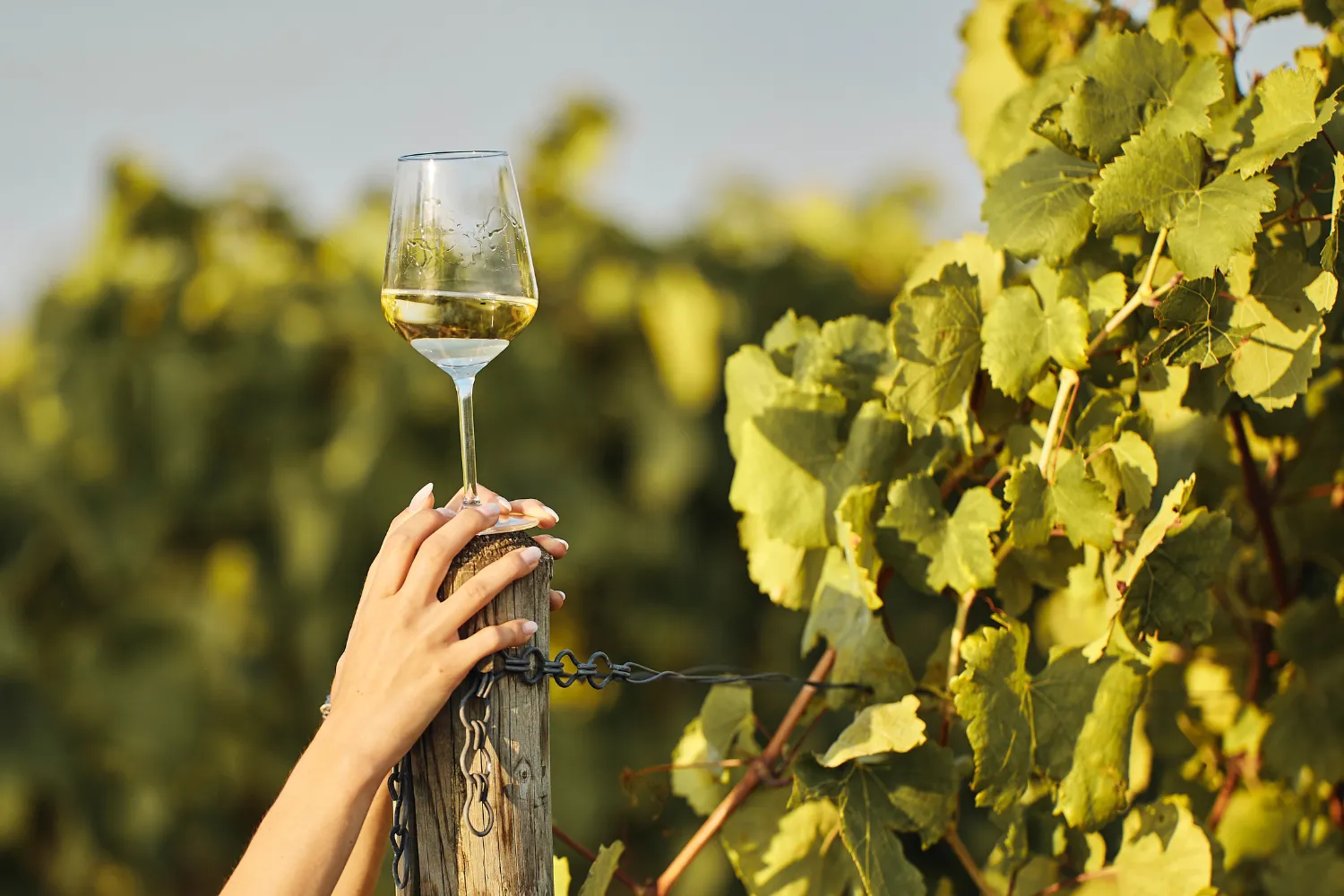
Producing more than 700 million bottles annually, Bordeaux leads the world in both volume and prestige of wine production. The region is home to famous appellations such as Médoc, Graves, Pessac-Léognan, Saint-Émilion, and Sauternes. With more than 6,000 wine estates (châteaux), many of which welcome visitors for tastings and vineyard tours, wine tourism is a major attraction. Bordeaux wine tours are among the top experiences for travellers in the region. If you’re curious about how the city earned its global reputation, read more about how Bordeaux became the wine capital of the world.
2. A UNESCO World Heritage Site since 2007
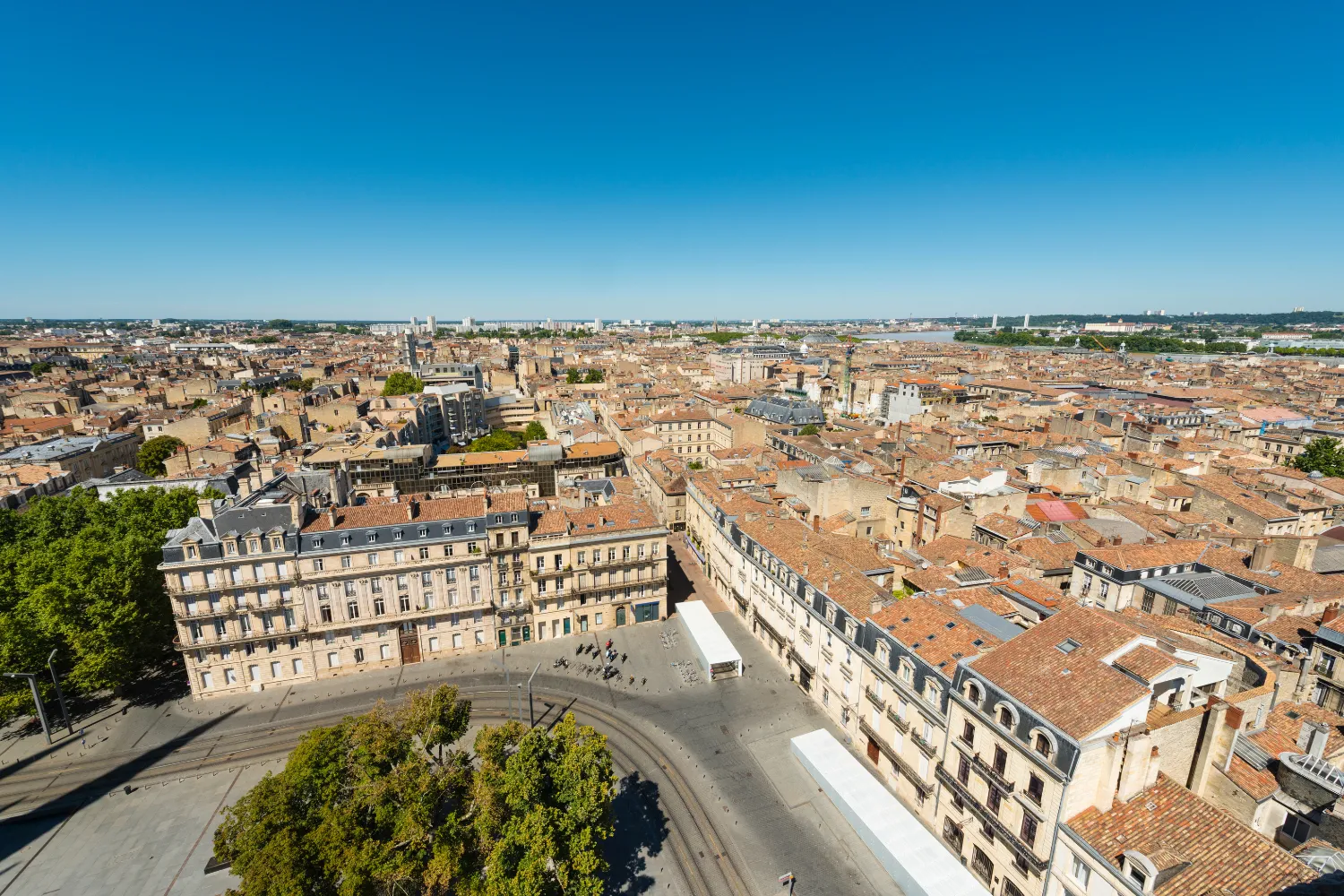
The historic centre of Bordeaux, known as the "Port of the Moon", earned UNESCO World Heritage status for its exceptional urban and architectural ensemble. With over 1,800 hectares of protected area, Bordeaux boasts one of the largest urban World Heritage zones in the world. The neoclassical architecture and carefully preserved 18th-century buildings give the city a refined and harmonious aesthetic.
3. Second only to Paris for historic monuments
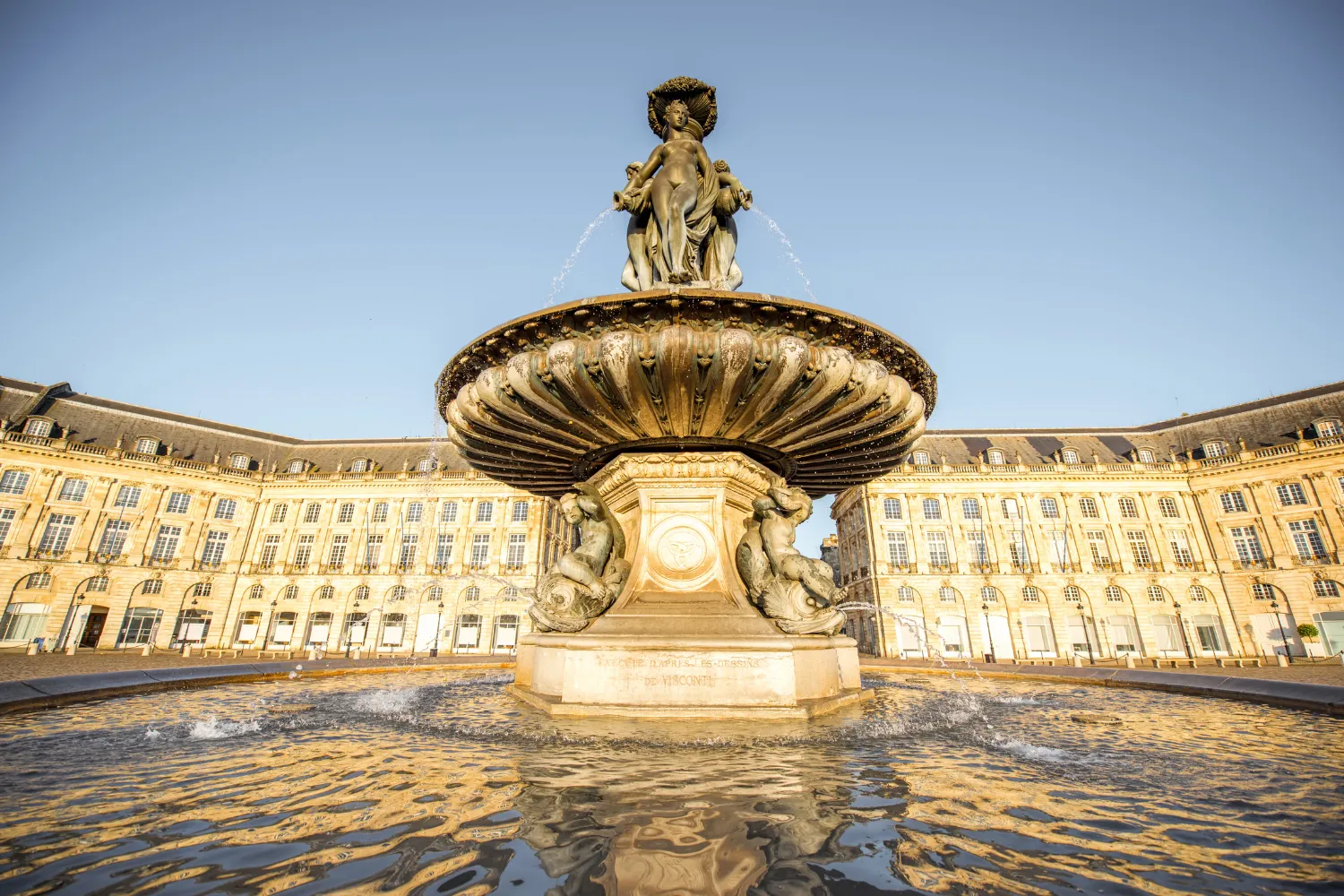
Bordeaux has more protected buildings than any other French city apart from Paris. Landmarks include the Grand Théâtre, Grosse Cloche, Place de la Bourse, Porte Cailhau, and the Gothic Cathedral of Saint-André. Many of these sites are within walking distance of each other, making Bordeaux ideal to explore on foot.
4. Rue Sainte-Catherine is Europe’s longest shopping street
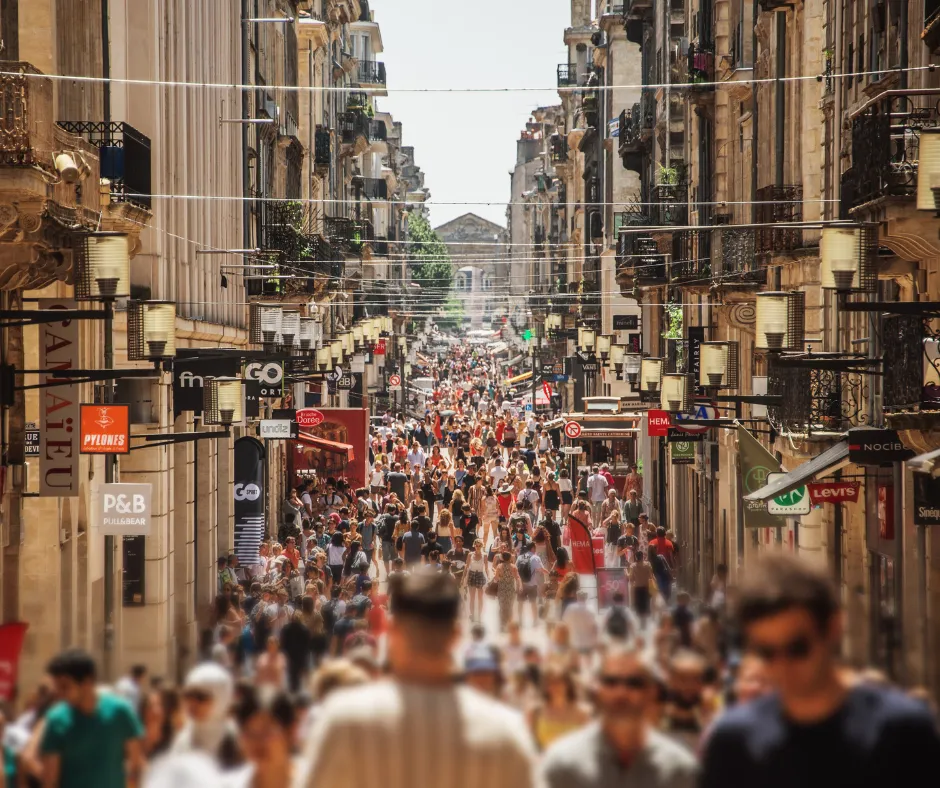
Running over 1.2 kilometres through the centre of Bordeaux, Rue Sainte-Catherine is the longest pedestrian shopping street in Europe. It’s lined with high-street shops, boutiques, cafés, and restaurants. From Place de la Comédie to Place de la Victoire, this busy avenue is a central hub for locals and tourists alike.
5. The Miroir d’eau is the world’s largest reflecting pool
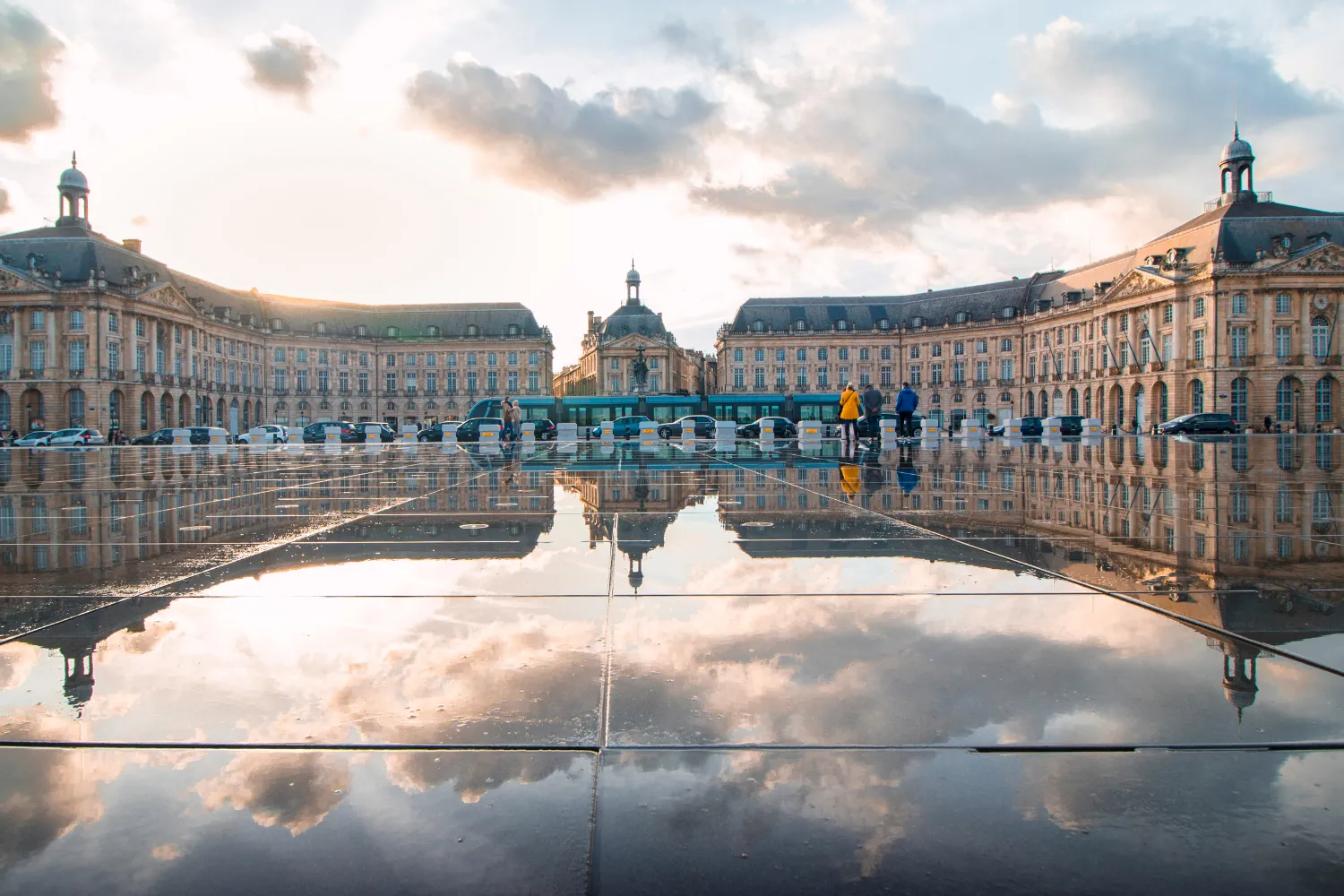
Located opposite Place de la Bourse, the Miroir d’eau (Water Mirror) spans 3,450 square metres and consists of a shallow layer of water that reflects the surrounding architecture. Periodically, a fine mist emerges from beneath the surface. It’s one of the most photographed attractions in Bordeaux and a favourite with families in summer.
6. Place des Quinconces is one of the largest city squares in Europe
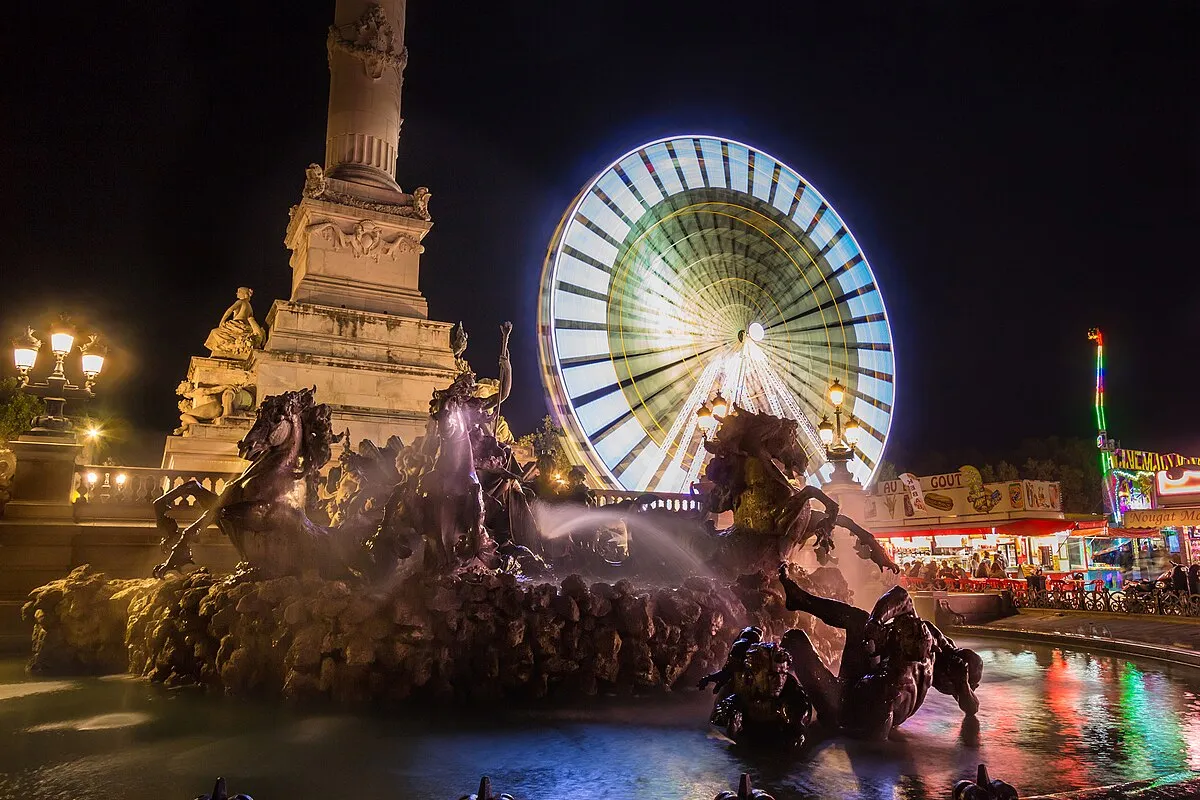
Measuring over 12 hectares, Place des Quinconces is among the largest public squares in Europe. It hosts major events such as funfairs, festivals, and open-air concerts. The square also features the Monument aux Girondins, a tribute to the revolutionary politicians of the French Revolution, topped with a bronze statue of liberty.
7. Bordeaux was once ruled by England
From the 12th to the 15th century, Bordeaux was under English rule due to the marriage of Eleanor of Aquitaine to Henry II of England. This period had a lasting impact on the wine trade, with Bordeaux wines becoming a staple export to England. Many street and area names reflect this history, as does the English Gothic style found in some churches.
8. The Pont de Pierre was commissioned by Napoleon
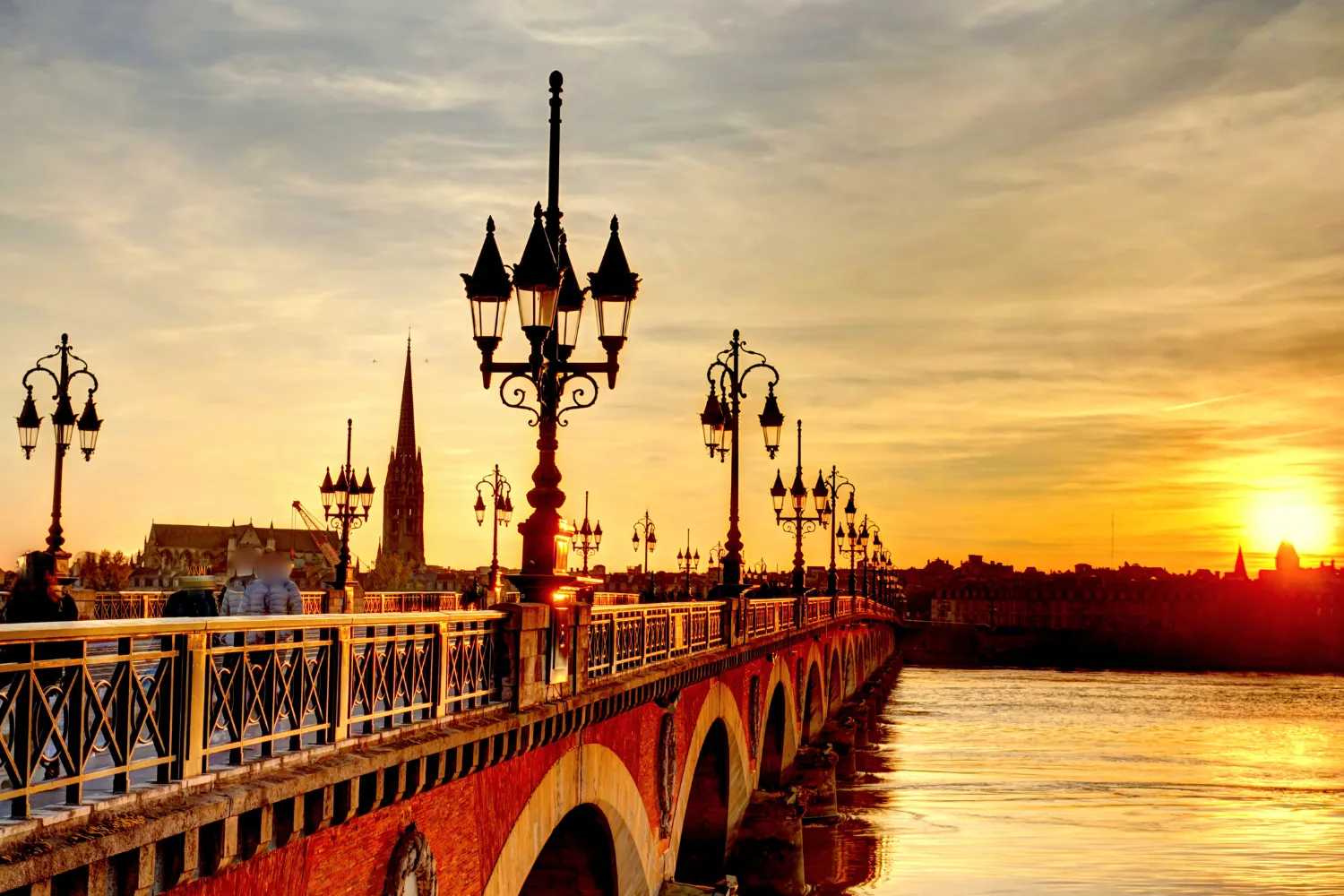
The city’s first bridge across the Garonne River, Pont de Pierre, was ordered by Napoleon Bonaparte. Completed in 1822, the bridge has 17 arches – one for each letter in Napoleon’s full name. It remains one of Bordeaux’s most recognisable structures and is open to pedestrians, cyclists, and trams.
9. La Cité du Vin is a must-visit for wine lovers
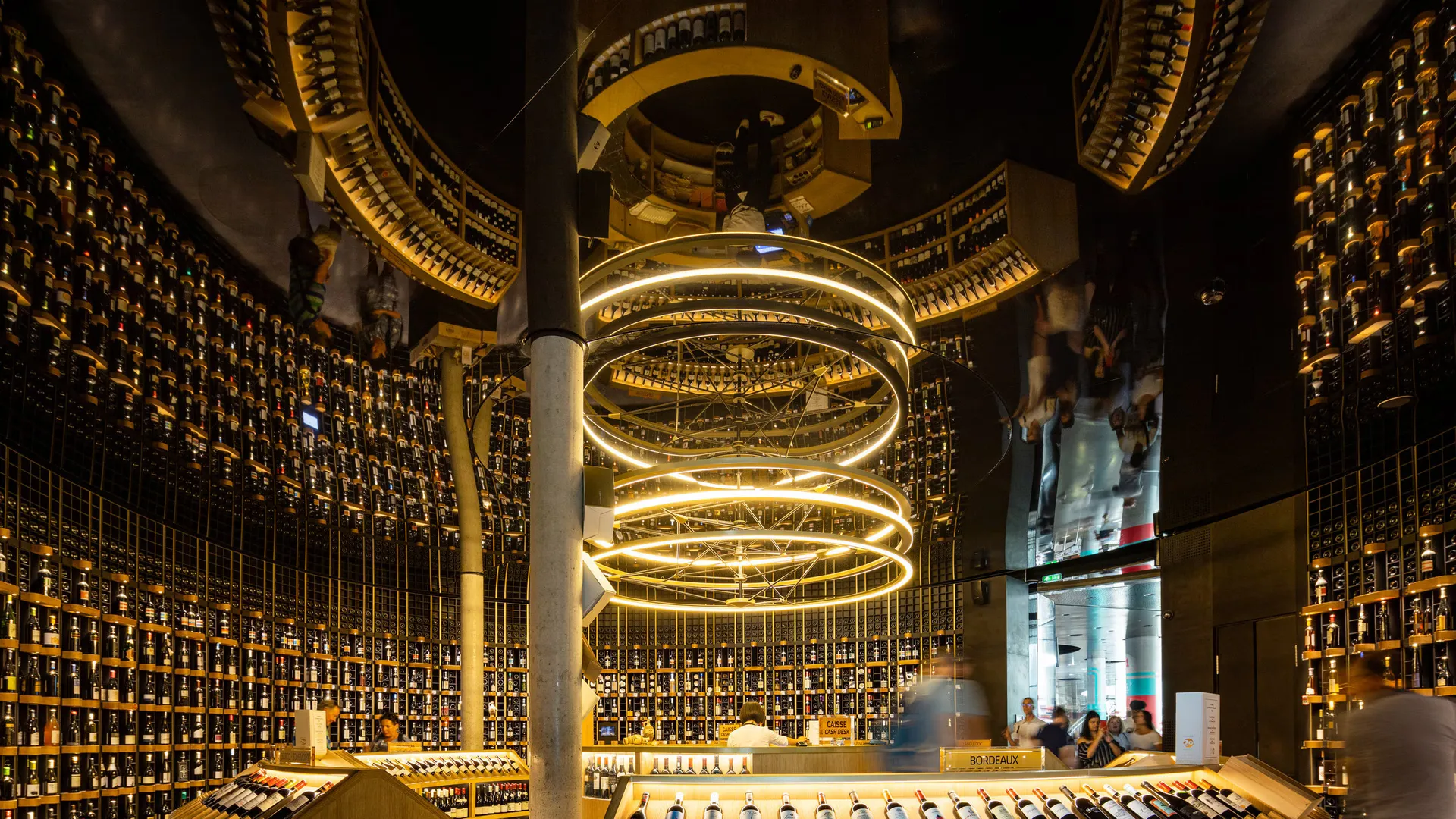
La Cité du Vin is a modern museum and cultural space dedicated to the history and global influence of wine. Visitors can enjoy interactive exhibits, sensory installations, workshops, and tastings with panoramic views over Bordeaux. It’s one of the city’s most visited attractions and a perfect starting point for understanding Bordeaux’s wine heritage.
10. Bassins de Lumières offers immersive art in a submarine base
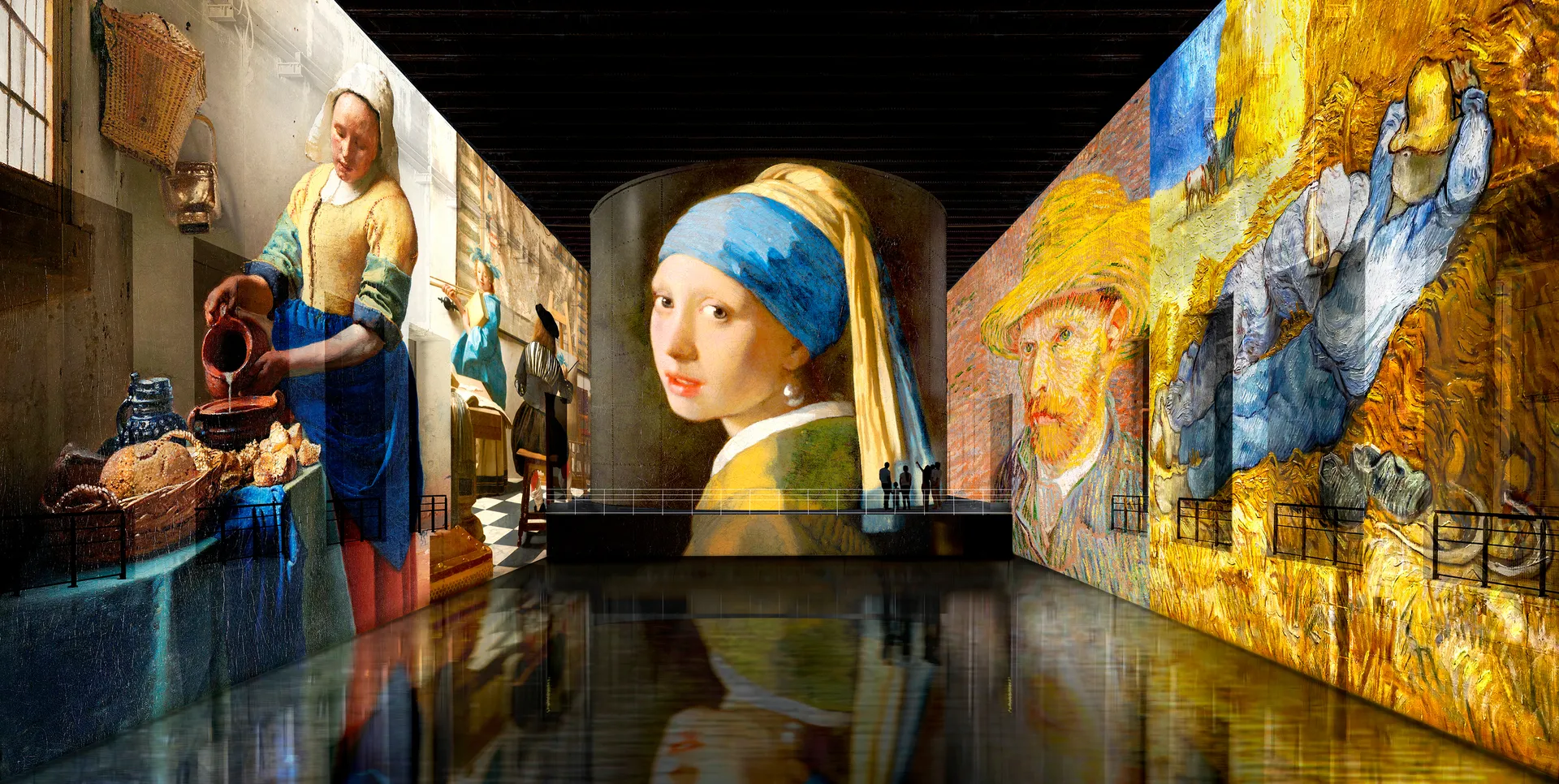
Located in a former Second World War submarine base, the Bassins de Lumières is the largest digital art centre in the world. The immense concrete structure now hosts large-scale art installations projected onto the walls and reflected in vast water basins. Exhibits often feature works by artists like Van Gogh, Monet, and Klimt, bringing a unique visual experience to Bordeaux.
11. The Darwin Ecosystem promotes sustainable urban culture
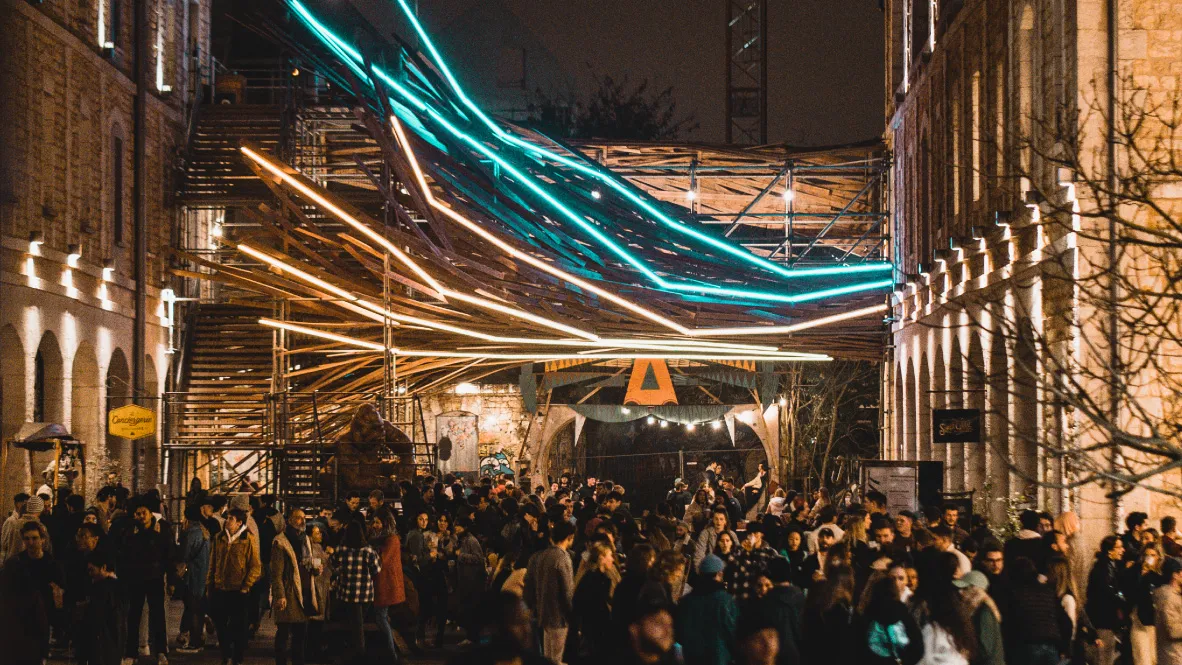
Situated on the right bank of the Garonne, Darwin is a hub for creativity and eco-conscious living. What was once a military barracks is now home to a co-working space, skate park, art studios, organic cafés, and a popular weekend market. It’s an example of Bordeaux’s innovative approach to urban development and sustainability.
12. Europe’s tallest sand dune is just outside Bordeaux
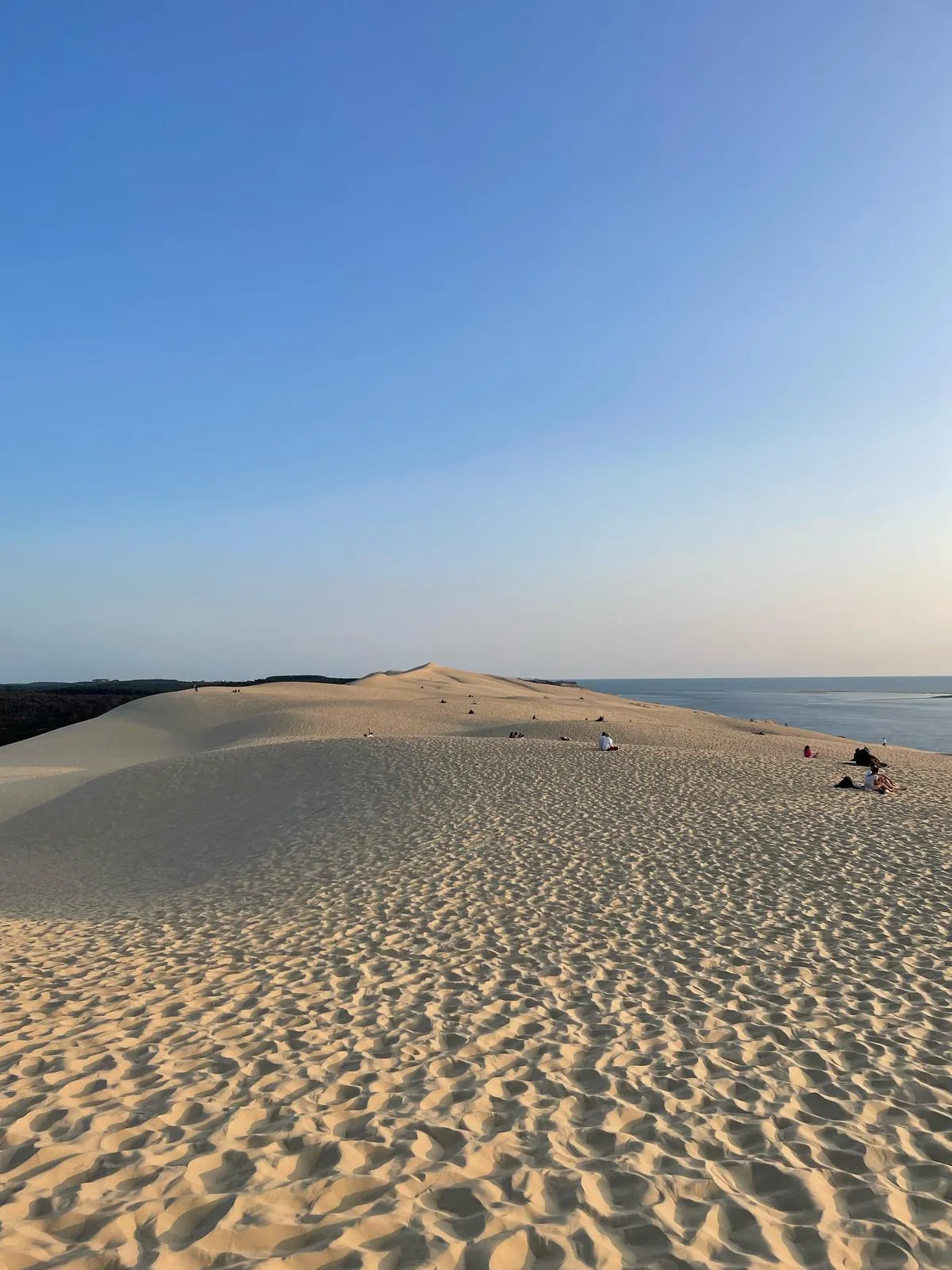
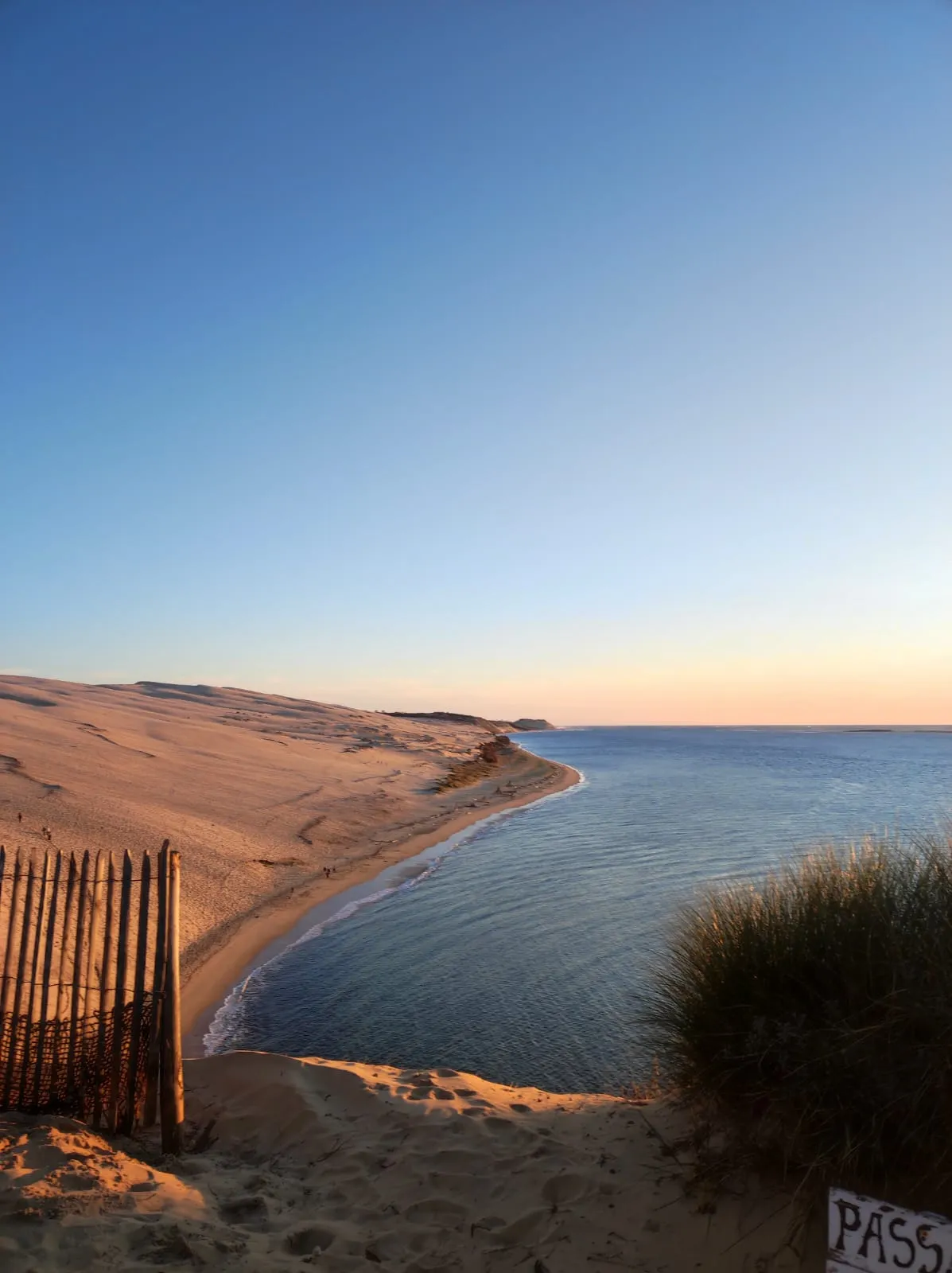
About an hour away from Bordeaux is the Dune du Pilat, Europe’s tallest sand dune. Located near Arcachon Bay, the dune rises over 100 metres and offers panoramic views of the Atlantic Ocean and the Landes forest. It’s a popular day-trip destination for visitors to Bordeaux, ideal for nature walks and paragliding.
13. Marché des Capucins is the city’s main food market
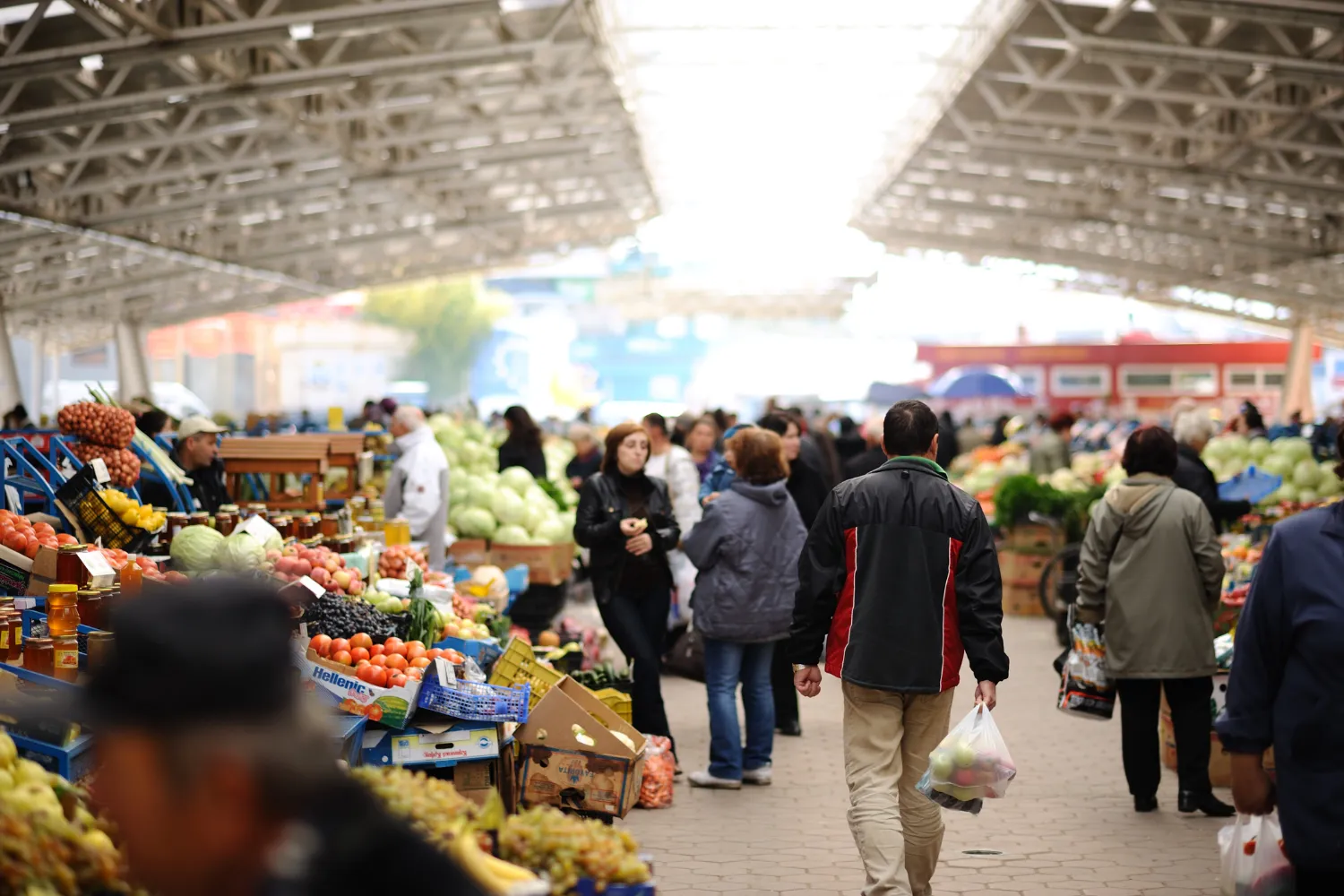
Often called “the belly of Bordeaux”, Marché des Capucins is the largest covered market in the city. Here you can find local produce, cheese, seafood, wine, and hot food to eat on the spot. It’s a great place to experience local life and sample regional specialities like oysters from Arcachon Bay or cannelés.
14. Bordeaux hosts several major festivals
Throughout the year, Bordeaux comes alive with events including Bordeaux Fête le Vin (Wine Festival), Bordeaux Fête le Fleuve (River Festival), and Carnaval des Deux Rives (Carnival of Two Banks). These celebrations highlight the city’s close relationship with its river, culture, and viticulture, offering concerts, parades, food stalls, and fireworks.
15. A walking tour is the best way to explore Bordeaux
Bordeaux’s compact and walkable city centre makes it perfect for exploring on foot. With elegant squares, medieval alleyways, and beautiful riverbanks, the best way to understand Bordeaux is with a knowledgeable guide. You can book a tour through Bordeaux Free Walking Tours, where local experts share stories, history, and tips while guiding you through the city’s highlights and lesser-known spots.
16. Paris borrowed its architectural look from Bordeaux
Before Baron Haussmann’s sweeping redesign of Paris in the mid-19th century, Bordeaux had already adopted the neoclassical and formal boulevard style. Its grand stone façades, wrought-iron balconies, slate roofs, spacious tree-lined avenues, and harmonious squares all echo what would later become Parisian. Indeed, Charles Garnier, the architect of the Paris Opera, drew inspiration from Bordeaux’s Grand Théâtre when designing its celebrated staircase. Many film crews today use Bordeaux as a stand-in for Paris, thanks to its strong Haussmannian resemblance.