Bordeaux’s Literary Heritage: Authors, Bookstores, and Literary Walks
The City That Writes Its Own Story
Bordeaux is a city of voices. Some are carved into its stone façades, others whispered along the river, and many live on through the pages of books written here or inspired by its streets. Beyond wine and architecture, Bordeaux has always been a center of thought, imagination, and storytelling.
For centuries, philosophers, poets, and novelists have walked its boulevards, sat in its cafés, and found inspiration in the slow rhythm of the Garonne. Today, the city’s literary pulse continues to beat — in its historic libraries, intimate bookshops, and annual literary events that draw writers and readers together.
For visitors exploring Bordeaux with Bordeaux Free Walking Tours, the city’s literary heritage adds a new dimension to its charm. Each square, street, and monument tells a story that connects the past to the present.
A City of Enlightenment and Ideas
Bordeaux’s reputation as a city of thought dates back to the Age of Enlightenment, when it became one of France’s intellectual hubs. The 18th century saw the rise of writers and philosophers who challenged convention and explored new ideas about freedom, commerce, and human nature.
Michel de Montaigne: The Philosopher of Reflection
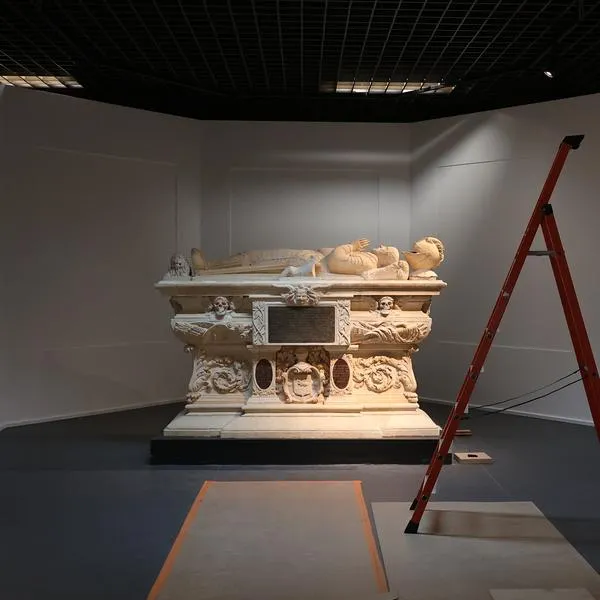
No figure defines Bordeaux’s literary soul better than Michel de Montaigne. Born nearby in 1533, Montaigne served as the city’s mayor and became one of the most influential writers in Western philosophy. His Essays introduced a deeply personal style of writing — thoughtful, honest, and introspective — that shaped modern humanism.
Travellers can see traces of Montaigne across the city. The Université Bordeaux Montaigne bears his name, and a statue of the philosopher stands outside the Musée d’Aquitaine, one of Bordeaux’s most significant cultural sites. Montaigne’s tower, where he wrote much of his work, lies a short journey away in the countryside — a destination for those drawn to literary pilgrimages.
Montesquieu and the Spirit of Laws
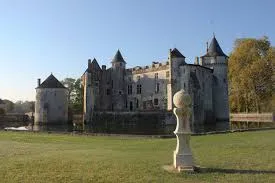
Another great thinker, Charles de Montesquieu, was born at La Brède, south of Bordeaux. The Spirit of the Laws influenced political philosophy across Europe and inspired constitutional democracies worldwide. His château, surrounded by vineyards and oak trees, remains open to visitors — a place where philosophy meets the quiet dignity of Bordeaux’s landscape.
Together, Montaigne and Montesquieu represent the intellectual foundation on which Bordeaux built its identity: reason, reflection, and curiosity.
Literary Bordeaux in the 19th and 20th Centuries
As the centuries turned, Bordeaux evolved into a modern port city, and literature evolved with it. Writers began to describe the life of the working class, the bustle of trade, and the contrasts between wealth and poverty that defined the port.
François Mauriac: The Voice of Bordeaux’s Soul
Born in 1885, François Mauriac became one of France’s greatest novelists and Nobel Prize winners. His novels, such as Thérèse Desqueyroux and Viper’s Tangle, reflect the moral complexity of bourgeois life and the conflict between passion and duty.
Mauriac’s connection to Bordeaux runs deep. His former home, Malagar, near Langon, is now a museum dedicated to his life and writing. Set amid rolling vineyards, it’s both a literary site and a tranquil countryside retreat — a perfect destination for travellers seeking to combine culture with scenic beauty.
In the city itself, Mauriac’s presence endures through schools, streets, and libraries bearing his name. His work reminds visitors that Bordeaux’s identity lies not only in its wine but in its introspection and emotional depth.
Bordeaux and the Modern Imagination
In the 20th century, writers like Jean-Paul Sartre and Simone de Beauvoir visited Bordeaux during their travels, and the city’s atmosphere of reflection and independence continued to attract new voices. Today, many contemporary authors call Bordeaux home, contributing to France’s literary landscape through novels, poetry, and essays that capture modern life along the Garonne.
Bookshops That Define the City
Bordeaux’s bookshops are a world of their own — quiet, inviting, and filled with the scent of paper and time. They are not just places to buy books; they are meeting points for ideas and conversation.
Librairie Mollat
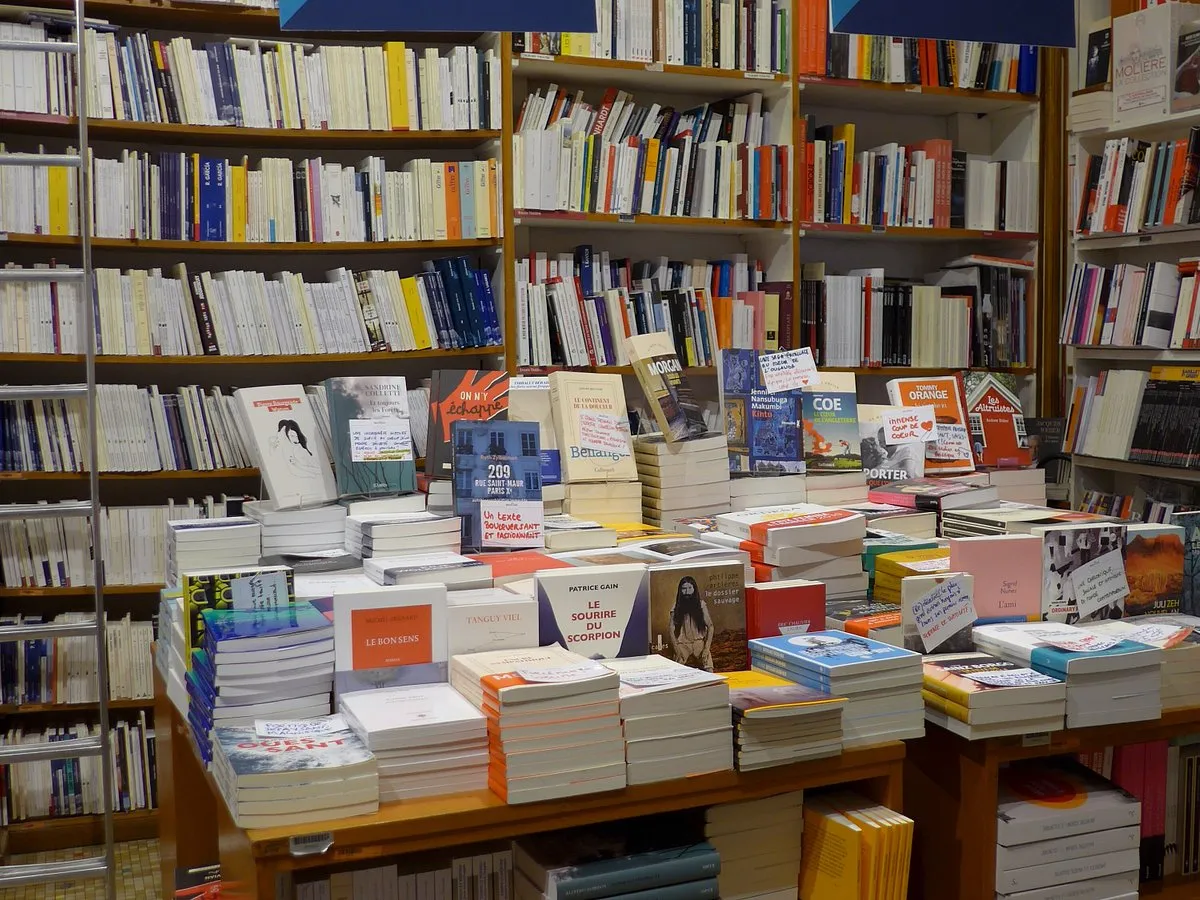
No literary visit to Bordeaux is complete without stepping into Librairie Mollat, France’s largest independent bookstore. Located on Rue Vital Carles, near Place Gambetta, it occupies a 19th-century mansion that once belonged to philosopher Montesquieu’s family.
With over 300,000 titles across multiple rooms, Mollat is a paradise for readers. Its staff are famously knowledgeable, and the store frequently hosts readings, author signings, and literary discussions. For locals, it’s a cultural landmark; for visitors, it’s an essential stop on any literary walk.
Librairie Olympique
Tucked away in the Saint-Pierre district, Librairie Olympique specializes in art, poetry, and rare editions. It reflects the creative side of Bordeaux, often curating exhibitions that blend literature with design and photography. The interior feels like a time capsule — intimate and personal.
Librairie Georges and Bradley’s Bookshop
In Talence, Librairie Georges mixes French and international literature, while Bradley’s Bookshop near Place Gambetta offers a selection of English-language books, making it a favourite among travelers and expatriates.
Together, these shops reflect Bordeaux’s diversity — a city that welcomes both classic and contemporary voices, both French and foreign tongues.
Libraries and Literary Landmarks
Bibliothèque Mériadeck
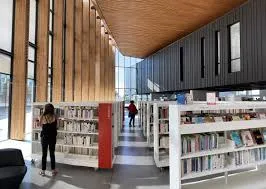
The Mériadeck Library, Bordeaux’s main public library, is a vast modern building housing hundreds of thousands of works, including rare manuscripts and regional archives. Its reading rooms, flooded with natural light, offer quiet spaces to explore the written heritage of southwest France.
If you’d like to explore more reading spaces and historic collections, see our guide to libraries in Bordeaux, featuring public institutions, study spaces, and hidden literary corners across the city.
Musée d’Aquitaine
While best known for its archaeological and historical collections, the Musée d’Aquitaine also preserves the memory of Bordeaux’s intellectual past. Exhibits trace how trade, exploration, and philosophy shaped the city’s global outlook — a context that enriches any literary exploration.
Plaques and Passages
As you walk through the city, keep an eye out for commemorative plaques marking where authors lived or wrote. Many line the streets of Chartrons, Saint-Pierre, and the historic center. These subtle details connect the literary Bordeaux of yesterday with the living city of today.
Festivals and Literary Events
Bordeaux celebrates its writers with enthusiasm. Each year, festivals and fairs transform their squares and libraries into literary stages.
Escale du Livre
The Escale du Livre festival, held every spring in the Saint-Michel district, is one of the city’s most beloved cultural events. It gathers hundreds of authors, publishers, and illustrators for a weekend of readings, workshops, and signings. The atmosphere is informal, welcoming, and perfect for travelers who enjoy discovering new voices.
Lire en Poche
In nearby Gradignan, the Lire en Poche festival focuses on pocket editions — celebrating the accessibility of literature. It’s a wonderful way to experience French literary culture in a local, human-scale setting.
Poetic Evenings and Readings
Throughout the year, cafés, galleries, and bookshops host poetry readings and literary nights. Places like Café Utopia or Librairie Olympique often become small stages where writers share their work with intimate audiences. For visitors, these events offer a glimpse of Bordeaux’s creative undercurrent — quieter than its wine festivals, but equally rich in spirit.
Walking the Literary City
The best way to understand Bordeaux’s literary heritage is to walk through it. Begin near Place de la Bourse, where merchants and writers once gathered, and continue through Chartrons, the district that fuelled both the city’s economy and its imagination.
Passing through Cours Victor Hugo and the Saint-Pierre quarter, you’ll find narrow streets where centuries of stories have unfolded — tales of trade, philosophy, and revolution.
Joining a Bordeaux Free Walking Tours experience brings these places to life. Guides weave together the city’s cultural history, showing how its architecture, politics, and literature intertwine. You’ll hear about Montaigne’s introspection, Mauriac’s moral depth, and the city’s role in shaping modern ideas.
By the end of the walk, Bordeaux feels not just like a destination, but like a living novel — each district a new chapter waiting to be explored.
Literary Cafés and Reading Spots
Every literary city has its corners for quiet reflection, and Bordeaux is no different.
Cafés like Café Utopia in the old church of Saint-Siméon combine history with creativity. Writers and students gather there to read or write beneath vaulted ceilings, surrounded by bookshelves and the smell of coffee.
Along the Quais de Bordeaux, benches overlooking the Garonne offer ideal reading spots — where you can open a book, sip a coffee or a glass of white wine, and watch the city’s rhythm unfold. In the evening, the illuminated façades reflect on the water like pages turning slowly.
The Traveller’s Takeaway
Bordeaux’s literary heritage is quieter than its wine, but no less intoxicating. It’s found in the words of Montaigne, the moral depth of Mauriac, and the passion of the readers who still fill its bookshops and festivals.
To walk through Bordeaux is to walk through layers of stories — from the philosophers who shaped Europe’s ideas to the modern voices that continue to define the region’s creativity.
For travellers, the city offers something rare: a chance to experience culture not as a museum piece, but as a living conversation. And when you explore it with Bordeaux Free Walking Tours, those stories unfold around you — in the streets, in the cafés, and in the quiet places where words and wine have always met.