Libraries in Bordeaux: A Quiet Way to Experience the City
Most visitors experience Bordeaux through movement. Streets lead to squares, squares lead to monuments, monuments lead to meals. The city reveals itself outwardly, through architecture, rhythm, and walking. Yet beneath this visible layer exists another Bordeaux — quieter, slower, and often overlooked — found inside its libraries.
Exploring libraries in Bordeaux is not about escaping the city, but about understanding it differently. These spaces reflect how Bordeaux thinks, studies, rests, and preserves memory. They are not tourist attractions in the conventional sense, yet they are deeply woven into daily life. For visitors willing to pause, libraries offer insight into the city’s interior rhythm — one shaped by silence, repetition, and attention.
This guide explores Bordeaux’s libraries as places to walk to, enter respectfully, and experience as part of the city’s lived environment.
Why Libraries Matter When Visiting Bordeaux
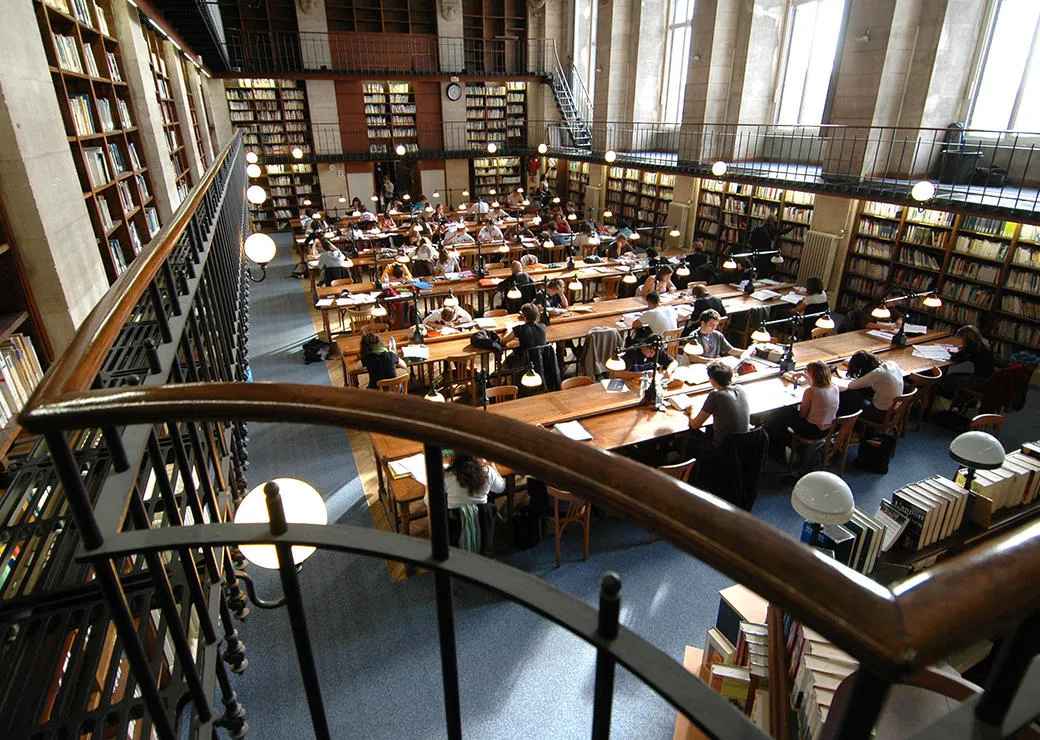
In France, libraries are not reserved for academics or specialists. They are public spaces, used daily by students, retirees, families, and professionals. In Bordeaux, libraries function as places of study, refuge, routine, and quiet social coexistence.
For visitors, stepping into a library changes the pace of a day. Walking leads inward. Sound drops. Time stretches differently. These moments of stillness create contrast, making the surrounding city feel sharper and more legible once you step back outside.
Experiencing things to do in Bordeaux does not always require activity. Sometimes it requires stillness.
For contrast, the city’s markets reveal Bordeaux at its most animated and communal. Our guide to markets in Bordeaux explores how public life unfolds through food, routine, and neighbourhood rhythm.
Walking to Libraries as Part of the City Experience
Libraries in Bordeaux are rarely isolated. They sit within neighbourhoods, connected naturally to daily walking routes. Visiting them on foot allows you to transition gradually from street life into silence, rather than treating them as destinations disconnected from the city.
Approaching a library often reveals subtle shifts: traffic noise fades, façades become more restrained, movement slows. These transitions are as meaningful as the spaces themselves.
Bibliothèque Mériadeck: Bordeaux’s Modern Reading Room
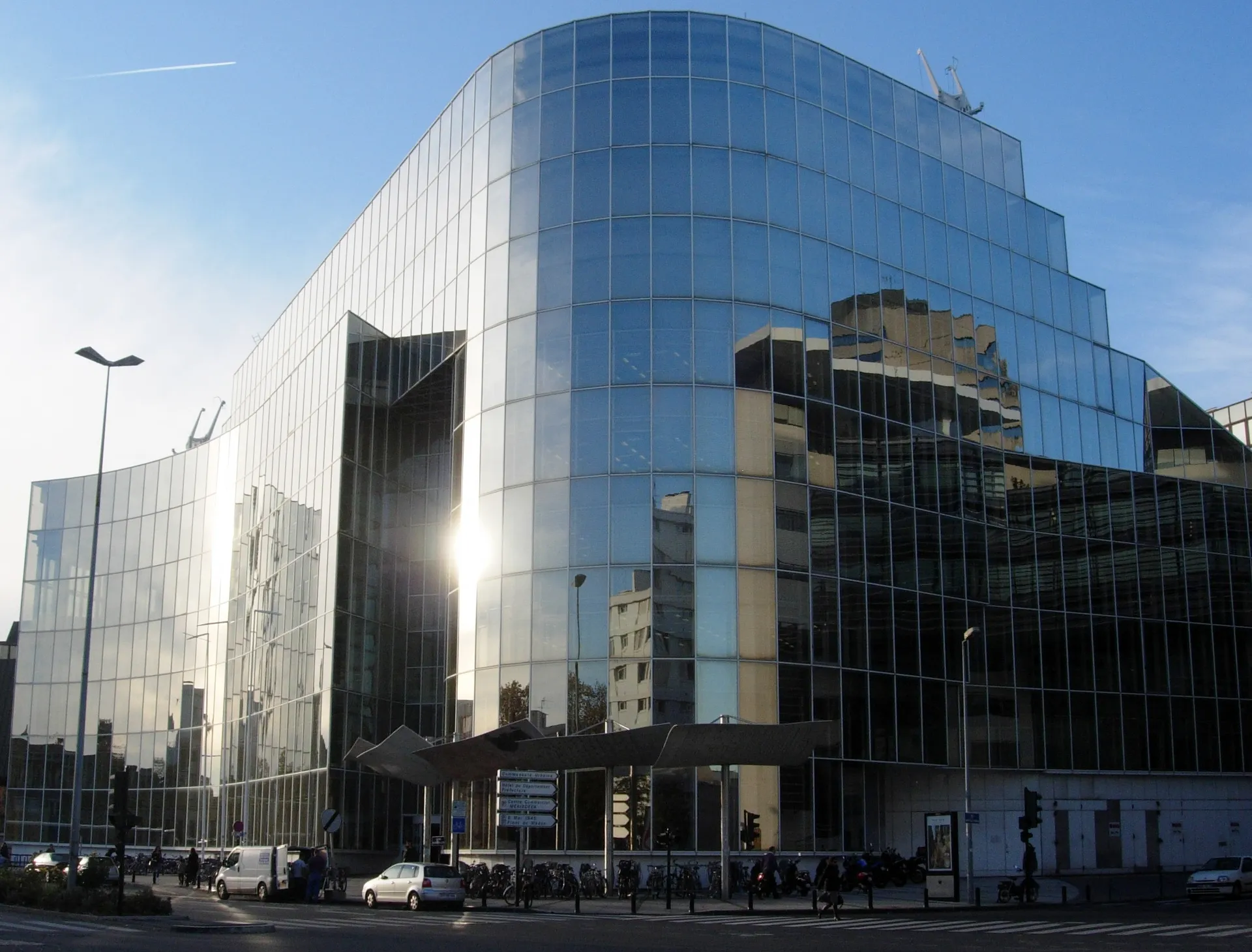
The Bibliothèque Mériadeck is Bordeaux’s largest and most central public library. Its modern architecture contrasts sharply with the historic city centre, reflecting a different period in Bordeaux’s development.
Inside, the atmosphere is functional and calm. Large reading rooms accommodate students, researchers, and casual readers alike. Visitors are welcome to enter, browse, and sit quietly without obligation. This openness makes Mériadeck one of the easiest libraries for travellers to experience respectfully.
Walking here from nearby districts offers insight into Bordeaux beyond postcard imagery. The surrounding area feels administrative and lived-in, revealing another layer of the city’s identity.
Libraries as Everyday Spaces, Not Attractions
Unlike museums, libraries are not designed to impress. Their value lies in use rather than display. This distinction is important for visitors.
When entering a library in Bordeaux, the goal is not to consume content, but to share space. Sitting quietly, reading, or simply observing how others use the room is enough. Photography is generally discouraged, reinforcing the idea that these are places of presence rather than performance.
For travellers accustomed to constant movement, this can feel unfamiliar — yet it often becomes one of the most grounding experiences of a trip.
Bibliothèque du Jardin Public: Reading Beside Green Space
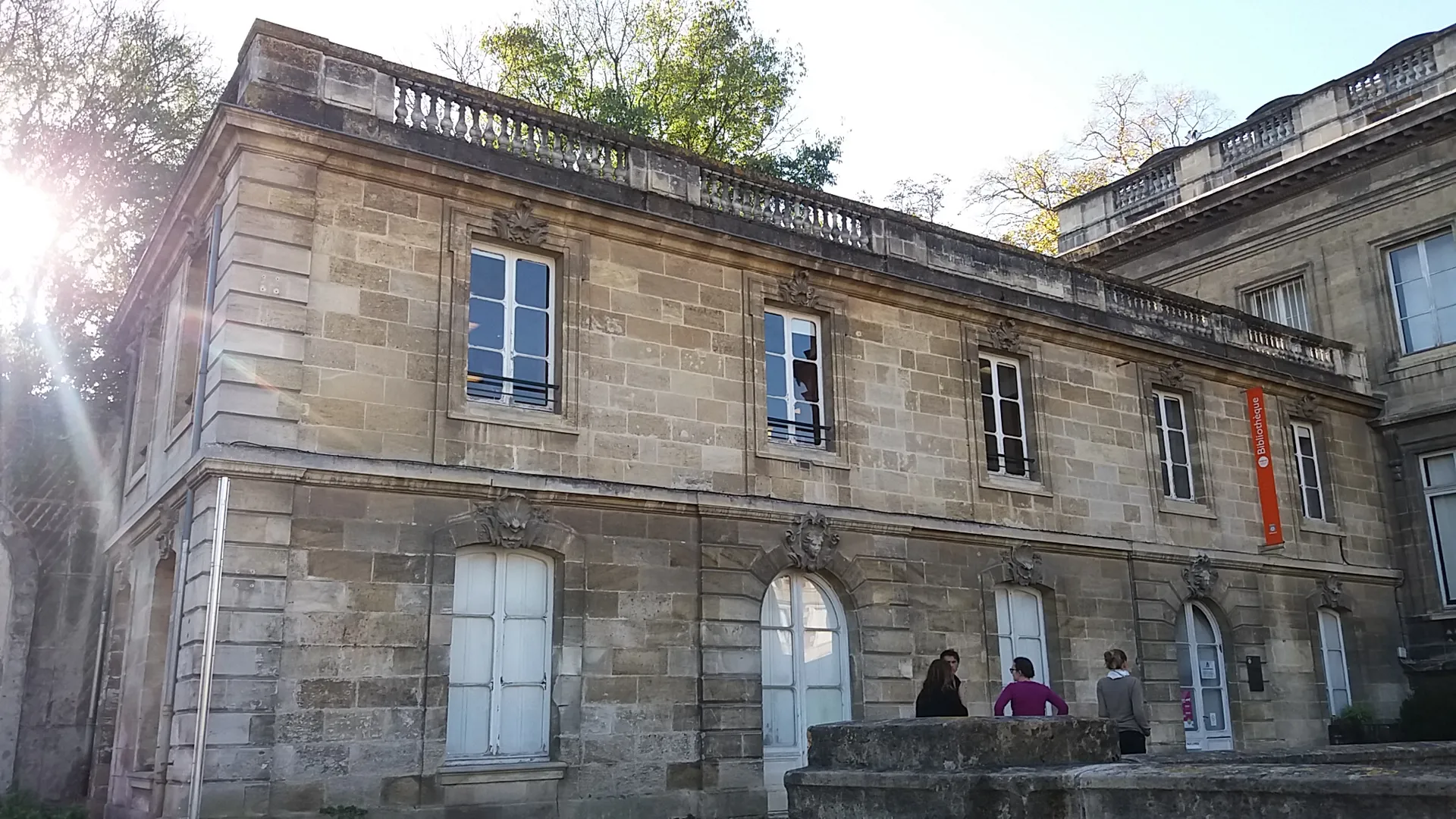
Tucked beside one of Bordeaux’s most loved parks, the Bibliothèque du Jardin Public offers a softer, more intimate library experience.
Its proximity to Jardin Public creates a natural rhythm: walking through greenery, entering a quiet interior, then returning outside with renewed attention. This sequence mirrors how many locals structure their days — movement balanced with pause.
For visitors, this library provides an accessible way to experience Bordeaux’s quieter cultural life without needing prior knowledge or preparation.
Respecting Library Culture as a Visitor
Understanding library etiquette is essential. Silence is expected, though not absolute. Movement is minimal. Conversations are rare and subdued. Phones are kept away.
These rules are not restrictive; they create a shared environment where many people can coexist peacefully. Visitors who respect this atmosphere are quietly welcomed, even if they stay only briefly.
Libraries in Bordeaux are not exclusive spaces. They are inclusive by design, as long as behaviour aligns with the collective expectation of calm.
Walking, Reading, and the Rhythm of a Day
Integrating libraries into a walking day in Bordeaux changes its shape. A morning walk might end with time spent reading or resting indoors. An afternoon stroll could pause inside a library before resuming outside.
This pattern reflects how many locals structure their time — alternating between movement and stillness. Visitors who adopt it often feel less rushed and more connected to the city’s underlying rhythm.
Those who have already explored Bordeaux on foot, particularly through a Bordeaux walking tour, often find libraries deepen their understanding of the city, revealing how public spaces support both activity and rest.
Libraries as Architectural Statements
While libraries prioritise function, their buildings still reflect Bordeaux’s architectural diversity. From modern concrete structures to classical façades, they mirror the city’s layered history.
Walking between different libraries allows visitors to experience these contrasts physically rather than conceptually. Each space reveals a different relationship between public life and private thought.
Bibliothèque de Bordeaux Bastide: Calm on the Right Bank
On the quieter right bank, the Bibliothèque de Bordeaux Bastide offers a spacious, light-filled environment that reflects the district’s residential character.
Walking here from the river introduces a slower Bordeaux, one less concerned with display. Inside, the atmosphere is studious but welcoming, used by families, students, and long-term residents.
For visitors crossing the river on foot, this library provides a natural pause point — a place to rest, read, and recalibrate before continuing.
Smaller Neighbourhood Libraries and Everyday Bordeaux
Beyond the larger, more visible institutions, libraries in Bordeaux are woven quietly into neighbourhood life. These smaller branches rarely appear in visitor itineraries, yet they offer some of the most revealing insights into how the city functions on a daily basis.
Walking into a neighbourhood library feels different from entering a central cultural institution. There is less ceremony, fewer visual cues that something “important” is happening. Instead, the space feels familiar, almost domestic. People greet librarians by name. Children arrive after school. Retirees sit with newspapers. Students return to the same desks week after week.
For visitors, these libraries demonstrate how public space is used when it is not designed for consumption. They are places of return rather than discovery, valued for consistency rather than novelty.
Bibliothèque Flora Tristan: A Residential Pause
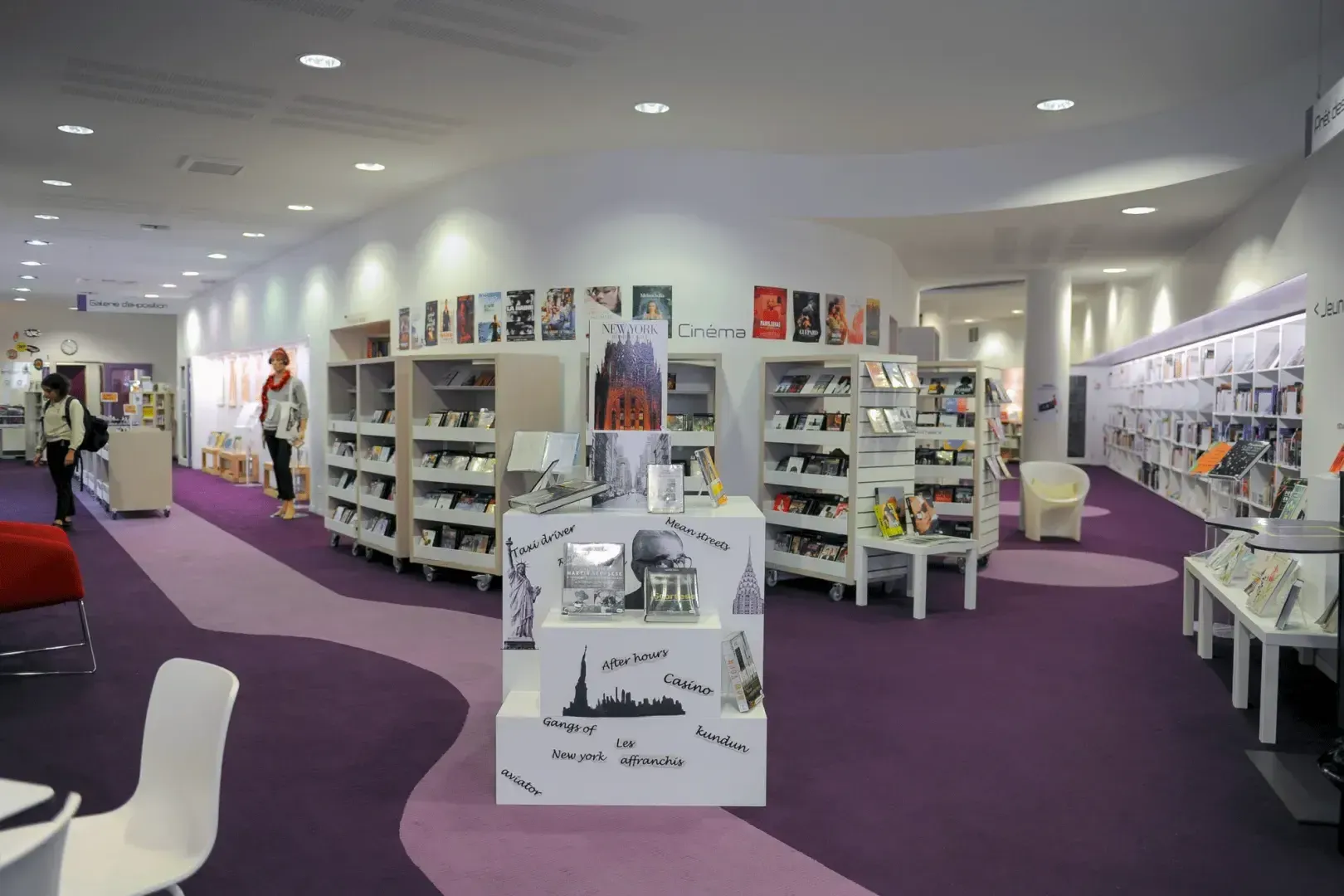
Located in a quieter residential area, the Bibliothèque Flora Tristan reflects Bordeaux at its most everyday. Walking here takes you away from monumental façades and into streets shaped by routine.
Inside, the atmosphere is calm and unassuming. This is a space designed for regular use rather than passing curiosity. For visitors, spending even a short amount of time here offers a sense of how deeply libraries are embedded in local life — not as cultural showcases, but as extensions of the neighbourhood.
Entering such a space requires no explanation. Sitting quietly is enough.
Libraries as Shelters During Slow Travel
One of the understated pleasures of exploring Bordeaux slowly is discovering places that offer shelter without obligation. Libraries excel at this.
On rainy days, when walking becomes less appealing, libraries provide continuity. You walk to them, not around them. Inside, time passes differently. The city quiets rather than closes. When the rain lifts, you step back outside with renewed focus.
For visitors travelling without urgency, libraries become natural anchors. They divide the day gently, offering rest without interruption. This rhythm aligns closely with how locals experience the city, especially outside peak tourist seasons.
Rain, Silence, and the Texture of a Day
Rain changes Bordeaux subtly. Pavements darken. Footsteps soften. Streets empty slightly, but never fully. On such days, libraries feel especially alive, filled with quiet activity rather than noise.
Walking to a library in the rain sharpens awareness. Sounds compress. Movement slows. Inside, the contrast is immediate. Warmth replaces dampness. Silence replaces street noise. This sensory shift becomes part of the travel experience itself.
Visitors who encounter Bordeaux in the rain often remember these moments most clearly — not because they were dramatic, but because they were intimate.
Reading as a Way of Belonging
Reading in a public library while travelling can feel surprisingly grounding. It replaces the feeling of transience with one of temporary belonging.
In Bordeaux, libraries invite this quietly. You do not need to register to sit. You do not need to understand the language fully to share the space. Simply being present aligns you with the city’s rhythm.
For visitors, this experience often reframes what things to do in Bordeaux can mean. Doing less becomes a form of participation rather than absence.
Libraries and the Pace of Walking
Libraries influence how you walk before and after visiting them. Approaching a library, your pace slows unconsciously. Leaving one, you often walk more attentively.
This effect lingers. Streets seem quieter. Details register more clearly. Movement becomes deliberate rather than reactive. Libraries recalibrate perception.
For travellers who have already spent time exploring Bordeaux on foot, especially through a Bordeaux walking tour, this recalibration feels familiar. Libraries extend that same attentiveness inward, offering a different dimension of understanding.
Bibliothèque de la Victoire: Student Life and Energy
Near one of Bordeaux’s most active academic areas, the Bibliothèque de la Victoire reflects the presence of student life within the city.
Walking here reveals a Bordeaux shaped by youth, movement, and intellectual exchange. Inside, the atmosphere is focused but energetic, with a steady flow of readers and researchers.
For visitors, this library offers insight into how education and daily life intersect in Bordeaux. It shows the city not as a museum, but as a place continually producing thought and dialogue.
Libraries and Respectful Observation
One of the most important aspects of visiting libraries as a traveller is understanding that observation does not require intrusion. Watching how people use a space does not mean analysing or documenting them.
Libraries encourage a form of attention that is quiet and non-invasive. Visitors who adopt this mindset often find themselves feeling less like outsiders and more like participants in a shared environment.
This mode of observation — present, calm, and unobtrusive — mirrors the broader French approach to public space.
How Quiet Spaces Shape Travel Memory
Memories formed in silence often linger differently. They are less tied to visuals and more to sensations: light through windows, the sound of pages turning, the weight of time passing without urgency.
For visitors to Bordeaux, libraries often become these kinds of memories. They are not dramatic, but they are enduring. Long after the trip ends, people remember sitting quietly while the city continued outside.
These moments balance the more active aspects of travel, creating a fuller, more textured recollection of the city.
Integrating Libraries into a Walking Itinerary
Libraries work best when integrated naturally into a day, not treated as destinations in themselves. A morning walk might end inside one. An afternoon stroll could pause briefly before continuing. Even a short visit can change the tone of several hours.
This integration reflects how locals use these spaces — not as events, but as part of daily flow.
Visitors who plan their days loosely often find libraries appearing organically, responding to mood, weather, or simple curiosity.
Libraries and Temporary Belonging
One of the quiet gifts of visiting libraries in Bordeaux is the sense of temporary belonging they create. You share space with residents without needing explanation or justification.
This feeling is subtle, but powerful. It transforms travel from observation into participation, even if only briefly.
Many travellers find that these moments of shared stillness remain with them longer than more conventional experiences.
A Natural Closing Reflection
Libraries in Bordeaux offer something rare in travel: permission to pause without purpose. They remind visitors that experiencing a city does not always require movement, noise, or achievement. Sometimes, it requires stillness.
By stepping into these quiet spaces, travellers encounter Bordeaux not as a spectacle, but as a living environment — one that values calm, continuity, and shared presence. This understanding often deepens when visitors return to the streets, walking more slowly, noticing more, and expecting less.
For those who first learned to read Bordeaux through walking — perhaps beginning with a Bordeaux walking tour — libraries complete the picture. They show the city’s inward life, balancing its outward rhythm, and offering a way to experience Bordeaux that stays long after the journey ends.