Wine Beyond the Château: Unique Wine Experiences in Bordeaux City
Bordeaux’s Modern Wine Scene
Bordeaux is often imagined as a landscape of grand châteaux, rolling vineyards, and century-old estates guarded by iron gates. That image is true — but it’s not the whole story. Today, Bordeaux has evolved into a vibrant urban wine capital where visitors can explore the culture of wine without ever leaving the city.
From chic urban wine bars and interactive tasting workshops to creative cellars hidden in former warehouses, Bordeaux offers experiences that go far beyond traditional château visits. For travelers who want to explore wine in a fresh, relaxed way, the city itself has become a playground for discovery.
Whether you’re a first-time visitor or a seasoned wine lover, Bordeaux’s city wine culture reveals a side of the region that is accessible, modern, and deeply rooted in local life.
Wine Culture in the Heart of the City
The beauty of Bordeaux is that wine is part of its daily rhythm. Locals drink wine at cafés, at markets, at picnics by the Garonne. The city breathes wine — not as a luxury, but as a lifestyle.
The Chartrons district, once home to 18th-century wine merchants, remains the spiritual center of Bordeaux’s urban wine scene. The narrow cobbled streets now host stylish bars, wine schools, and boutique shops that make exploring the culture of Bordeaux as easy as wandering from one block to another.
For travelers, this means you don’t need a car or a full day to taste what the region offers. You can sample wines from Médoc to Saint-Émilion, learn about grape varieties, and meet passionate sommeliers — all within walking distance of your hotel.
Joining a city walking tour with Bordeaux Free Walking Tours is a great way to start. Guides often weave wine stories into the city’s history, connecting architecture, trade, and the maritime routes that built Bordeaux’s fortune.
Urban Wine Bars Worth Visiting
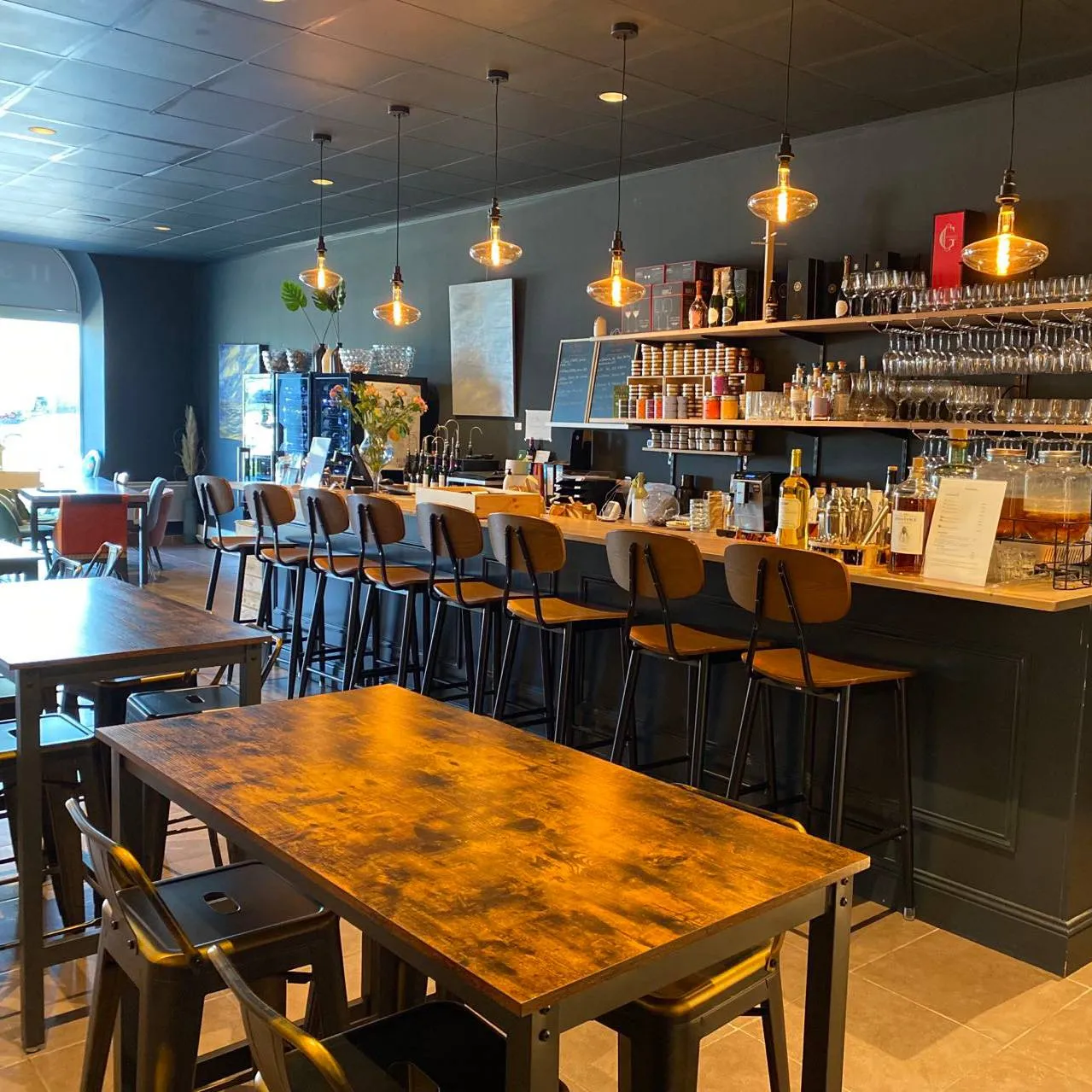
Bordeaux’s wine bars are modern temples of taste. They combine atmosphere, education, and a sense of discovery that appeals to both curious travelers and locals.
In the Golden Triangle, elegant venues serve top appellations by the glass, allowing visitors to try wines that would otherwise be inaccessible by the bottle. Meanwhile, on the Right Bank and in the Saint-Michel district, smaller bars champion organic and biodynamic producers, offering a raw and authentic experience.
One standout for visitors seeking an intimate and contemporary tasting space is Le Sobre. Known for its minimal aesthetic and carefully curated list of natural and low-intervention wines, it reflects the new Bordeaux spirit — refined, approachable, and passionate about sustainability. The sommeliers here are friendly and knowledgeable, eager to guide visitors through wines that highlight lesser-known appellations and innovative producers.
You’ll also find other venues serving only natural wines, some focusing on emerging appellations, and a few that blend art, food, and music into their tastings. The idea is to make wine feel alive — not intimidating.
Travelers often remark that wine bars in Bordeaux are more personal than châteaux. You can sit at the counter, chat with the owner, and taste half a dozen wines from different terroirs in one evening.
Workshops and Wine Schools in Bordeaux
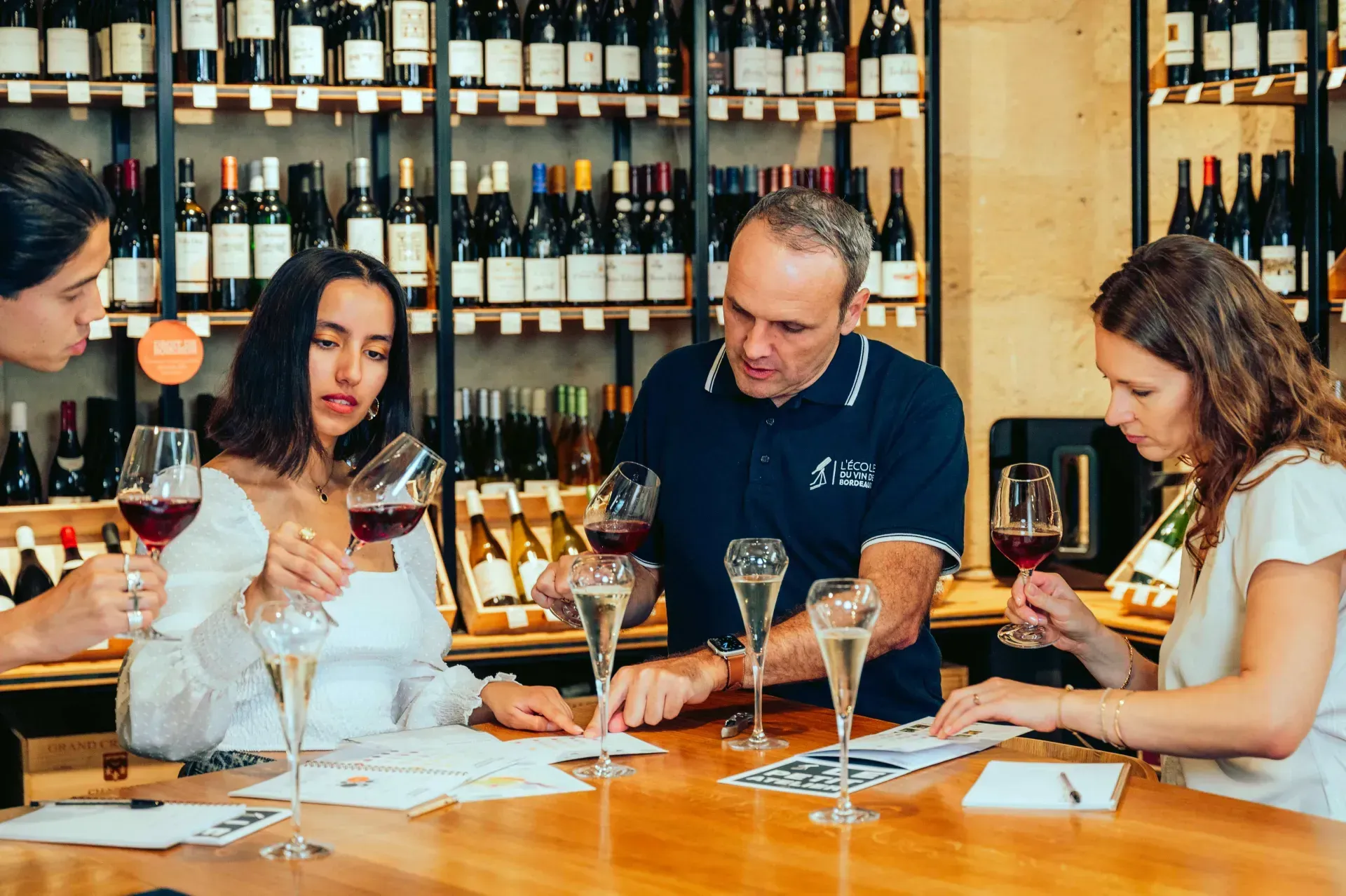
For those who want to go deeper, Bordeaux offers an exceptional range of wine workshops and tasting classes designed for all levels.
At these workshops, you’ll learn to identify aromas, understand blending, and decode Bordeaux’s complex classification system. The focus is not just theory — it’s hands-on, sensory, and fun.
Some sessions take place in small tasting rooms in Chartrons or Saint-Pierre, while others are hosted inside historical buildings near Place de la Bourse. You might swirl wines from Graves, Fronsac, or Blaye, and leave with the ability to tell the difference between Cabernet Franc and Cabernet Sauvignon in a blind tasting.
Workshops are often paired with local foods, allowing visitors to understand how Bordeaux wines behave with cheese, charcuterie, and seafood. For travelers short on time, these compact experiences offer what a full vineyard day might provide — but without leaving the city.
Discovering Lesser-Known Appellations
One of the best aspects of Bordeaux’s urban wine scene is the chance to explore lesser-known appellations that rarely make it to export markets.
While most visitors recognize names like Margaux or Pauillac, the smaller appellations — Côtes de Bourg, Blaye, Castillon, or Entre-deux-Mers — produce excellent wines at more approachable prices.
Many wine bars and shops in Bordeaux city pride themselves on highlighting these “off-the-map” producers. Tastings might include a crisp Sauvignon from Entre-deux-Mers, a Merlot-dominant blend from Castillon with soft fruit and spice, or a mineral-driven Côtes de Bourg that rivals some Médoc wines in complexity.
For travelers, this is a great way to taste authentic Bordeaux without the prestige pricing. It’s also a reminder that the region’s diversity extends far beyond its famous Left and Right Banks.
The Cité du Vin: Bordeaux’s Wine Museum Reinvented
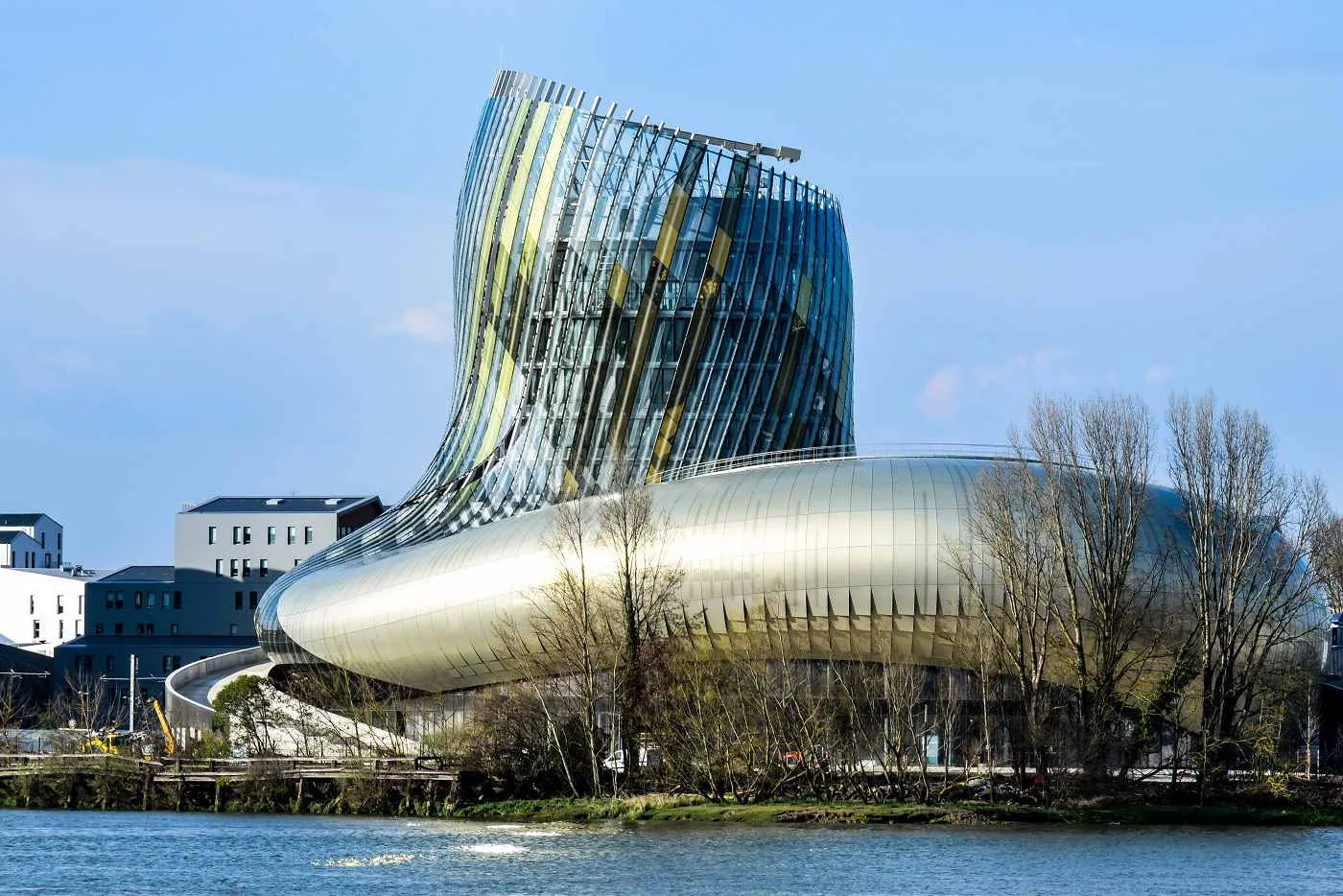
No exploration of urban wine culture in Bordeaux is complete without visiting La Cité du Vin, the city’s interactive museum dedicated entirely to wine.
More than just a museum, it’s an immersive journey through the history, geography, and future of winemaking around the world. You can walk through digital exhibitions, smell different wine aromas, and end your visit with a glass of Bordeaux (or wine from any continent) overlooking the Garonne from the Belvédère.
To plan your visit in more detail, read our complete guide to La Cité du Vin, including ticket tips, highlights inside the museum, and what to expect from the panoramic tasting experience.
While some travelers expect a tourist attraction, La Cité du Vin is much more: it’s a cultural experience that connects Bordeaux’s ancient traditions with global innovation. It’s ideal for families, groups, or anyone curious about wine without needing to study it.
Pairing Wine with Food in the City
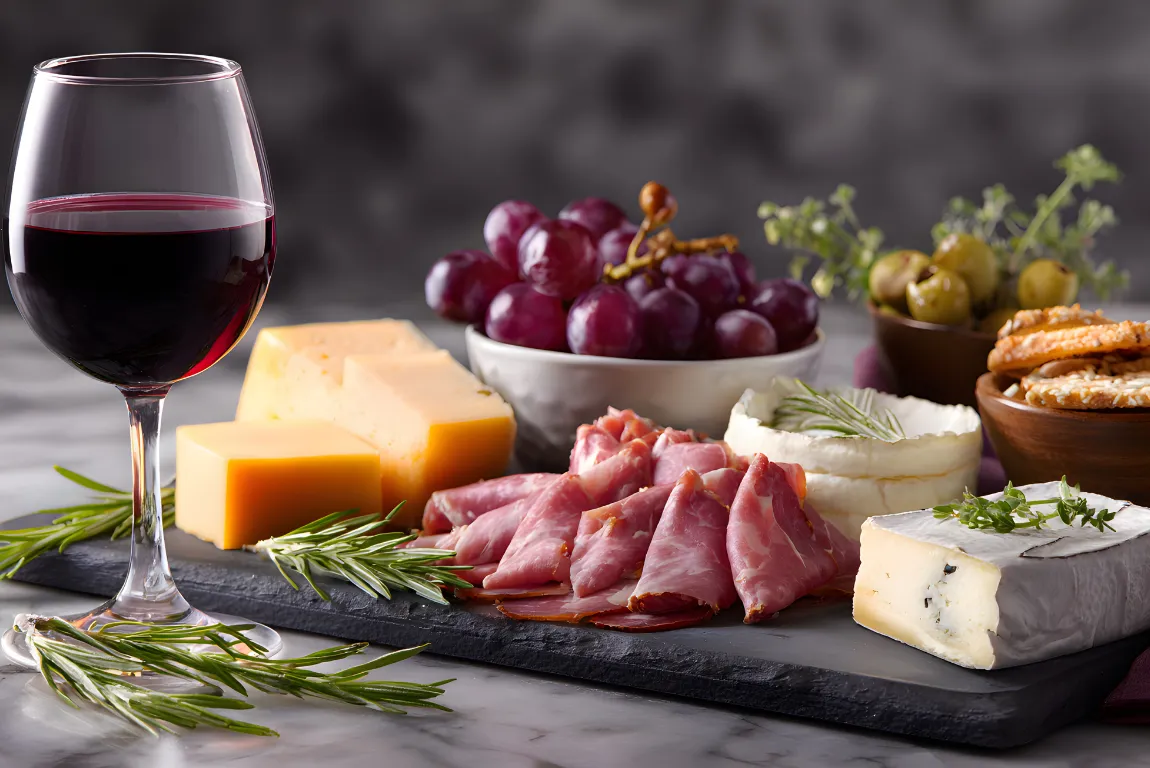
In Bordeaux, food and wine go hand in hand. Local chefs have embraced the art of pairing regional wines with creative cuisine.
Wine bars often serve small plates — local cheeses, cured meats, oysters, and duck pâté — designed to enhance their glass lists. At casual bistros and markets, you can sip a chilled white Bordeaux with seafood or enjoy a fruity red with confit de canard.
A visit to Marché des Capucins, Bordeaux’s central food market, gives travelers a glimpse into the everyday life of locals. Here, wine is sold by the glass alongside oysters, tapas, and charcuterie boards. It’s noisy, colourful, and alive — a perfect reflection of Bordeaux’s modern approach to enjoying wine: informal, joyful, and shared.
Seasonal Tastings and Pop-Up Events
Throughout the year, Bordeaux hosts urban wine events that transform city squares into open-air tasting rooms.
In summer, the Bordeaux Fête le Vin festival turns the quays into a wine lover’s paradise, where dozens of producers pour wines from across the region. In winter, cosy indoor fairs highlight small estates and organic producers. Pop-up tastings often appear in unexpected places — art galleries, courtyards, even vintage shops.
For travellers visiting during festival season, these events offer a chance to experience Bordeaux’s social side. Locals mingle with visitors, music plays, and the atmosphere feels less formal than a château tasting, but every bit as authentic.
Why Stay in the City?
While the vineyards outside Bordeaux are spectacular, staying in the city offers freedom and variety. You can explore wine, food, art, and history all in one day — without long drives.
Evenings in Bordeaux have their own charm. Locals gather by the riverfront with glasses of rosé or Clairet, a traditional light red that bridges the gap between red and rosé. Young sommeliers experiment with modern tasting flights, and wine educators host themed nights comparing terroirs.
For travellers who want to combine culture and comfort, Bordeaux city makes wine approachable and exciting.
A Walking Introduction to Bordeaux’s Wine Story
Joining a walking tour through Bordeaux city provides more than orientation — it gives context. With Bordeaux Free Walking Tours, visitors discover how the city’s wealth and architecture grew from the wine trade.
You’ll stroll through the Chartrons warehouses that once stored barrels bound for London, see the façades financed by 18th-century wine merchants, and hear how Bordeaux’s global connections helped shape modern wine commerce.
By the time you sit down for a tasting, you’ll see each glass differently — as part of a story that began centuries ago and continues today in every wine bar and cellar.
The Traveler’s Takeaway
Bordeaux is more than its châteaux. The city itself is a living, breathing reflection of its wine heritage. You can taste world-class wines, meet passionate locals, and join tastings that feel personal and unpretentious.
Whether it’s sipping Sauvignon in a riverside bar, blending your own cuvée in a workshop, or exploring Chartrons on foot, Bordeaux invites you to experience wine as part of everyday life.
And when you walk through the streets, guided by the stories of Bordeaux Free Walking Tours, you’ll realize that the city is its own vineyard — cultivated not by vines, but by people, history, and culture that continues to flourish glass by glass.