What to Eat in Bordeaux: A Complete Guide to Local Food and Wine
If you’re wondering what to eat in Bordeaux, the answer begins long before you sit at a restaurant table. Bordeaux cuisine is shaped by the Atlantic, the Gironde estuary, fertile farmland, and centuries of trade. It is not flashy, not experimental for the sake of it — but deeply rooted and confident.
Food in Bordeaux feels lived-in. Locals eat well because it is a habit, not performance.
Before choosing where to dine, it helps to understand how the historic centre is organised — where markets sit, how Chartrons connects to wine merchants, and why Saint-Michel feels different from the Golden Triangle. Walking the city first changes how you experience its food. A properly guided Bordeaux Free Walking Tour gives that essential context, linking neighbourhoods to their culinary rhythm.
Now, let’s start with the most recognisable bite in the city.
Canelé: Bordeaux’s Sweet Identity
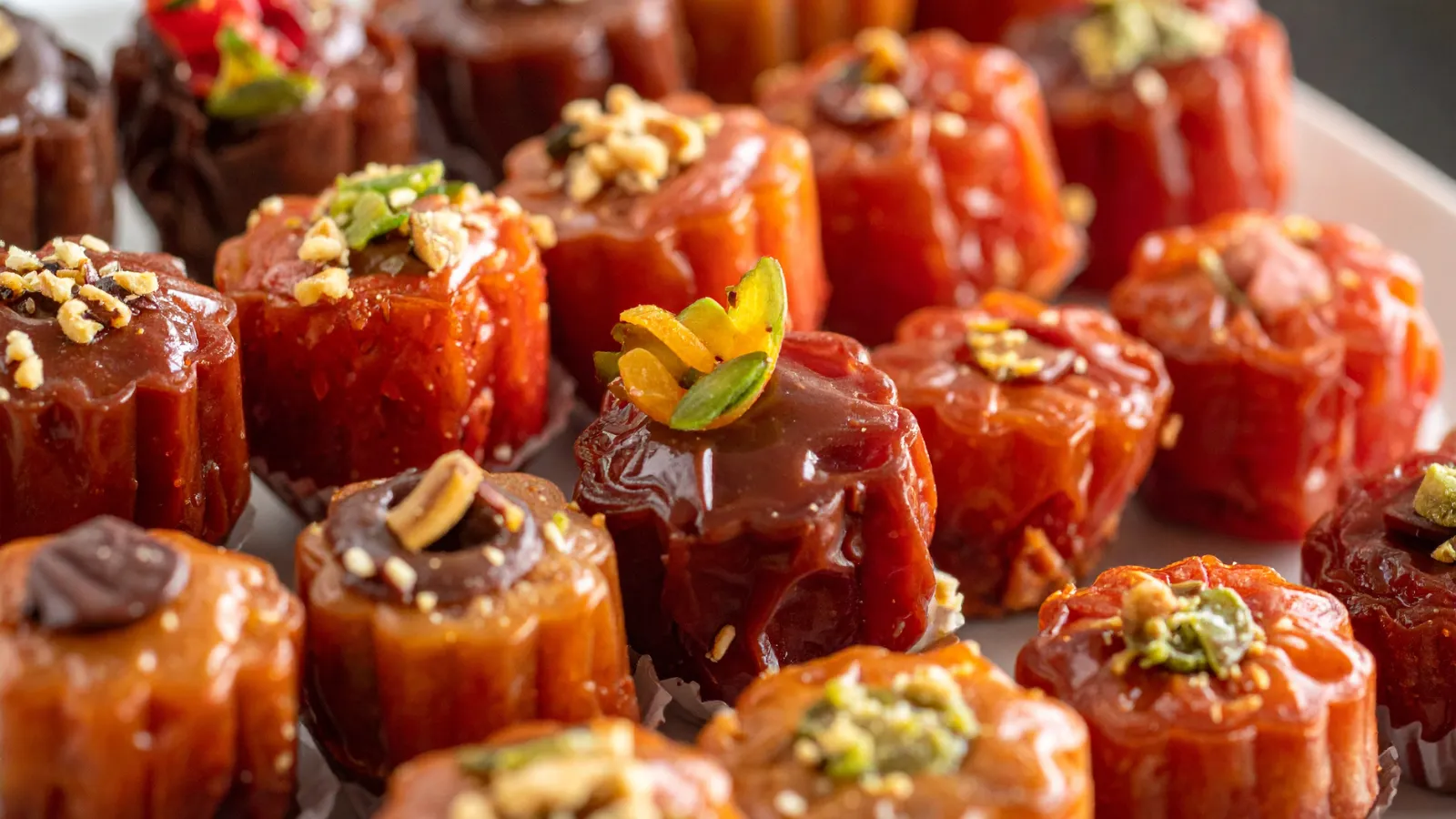
No conversation about Bordeaux food can begin anywhere else.
The canelé is small, dark, caramelised on the outside and soft inside, flavoured with vanilla and rum. It originated, according to local lore, from convent kitchens using leftover egg yolks from wine clarification. Whether legend or documented history, the pastry is unmistakably Bordelais.
For a classic version, visit Baillardran, where canelés are baked throughout the day so the exterior remains crisp.
Another reliable stop is La Toque Cuivrée, popular with both locals and visitors.
Eat one while walking. They are meant to be enjoyed casually — never plated formally.
Oysters from Arcachon
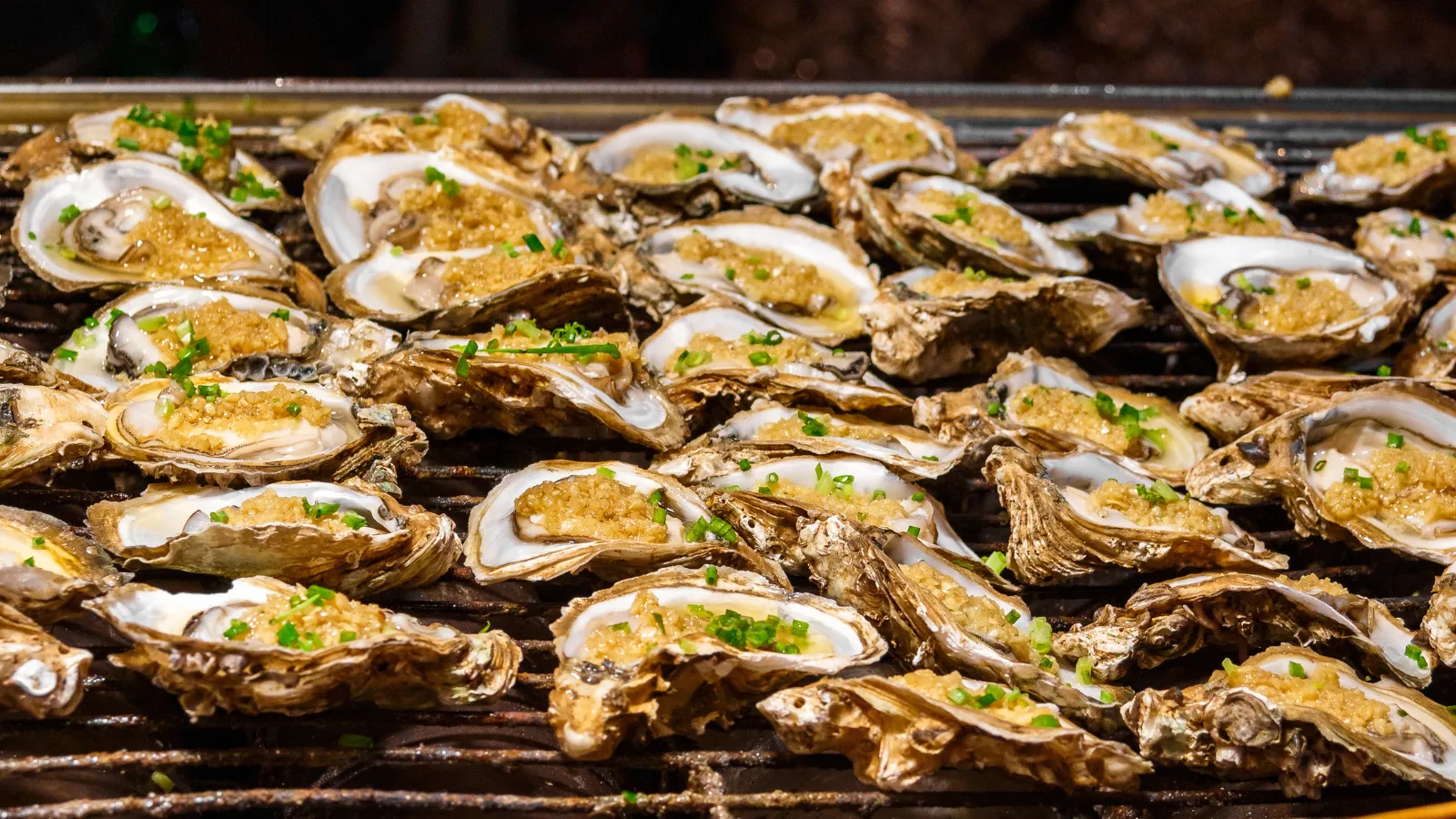
Bordeaux’s proximity to the Atlantic defines its seafood culture. Oysters from the Arcachon basin arrive fresh daily and are typically served chilled with lemon or a light shallot vinaigrette.
To experience this ritual authentically, head to Marché des Capucins. On weekends, locals gather here mid-morning for oysters and a glass of crisp white Bordeaux. It feels indulgent, but entirely normal.
The beauty lies in simplicity. No elaborate garnish. Just freshness and balance.
Entrecôte à la Bordelaise
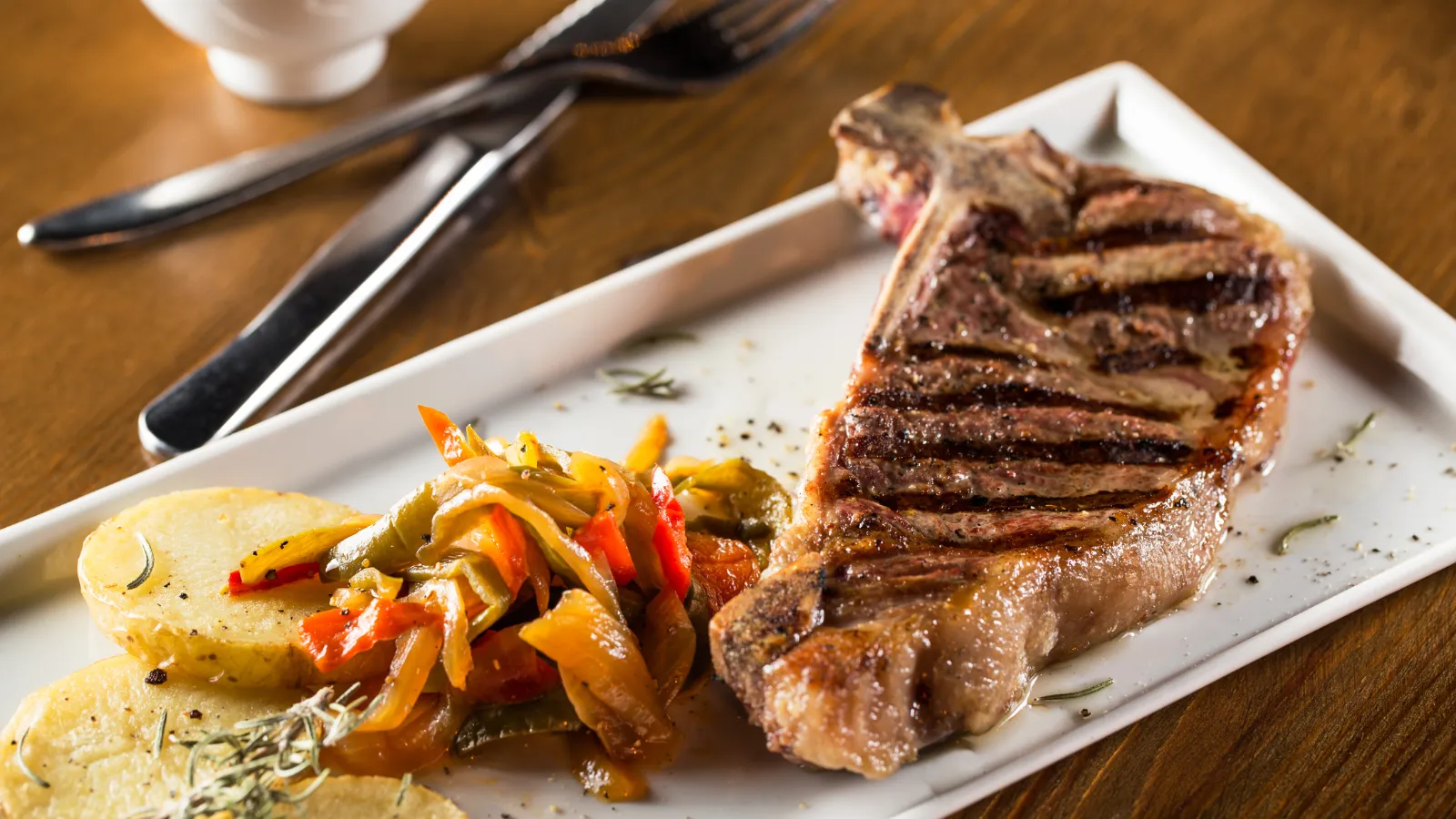
Moving inland from the coast, Bordeaux cuisine grows richer.
Entrecôte à la Bordelaise — rib steak served with a red wine, shallot and bone marrow sauce — is perhaps the city’s most iconic savoury dish. The sauce is deeply reduced, but not heavy; it should taste of wine without overpowering the meat.
For a traditional interpretation, reserve at Le Petit Commerce, a long-standing favourite for classic dishes.
This is not a light lunch. It is deliberate and satisfying.
Duck and the South-West Influence
Bordeaux sits within the broader South-West culinary region, where duck reigns supreme.
Expect to see:
- Magret de canard
- Duck confit
- Foie gras
These are not rare delicacies here; they are everyday tradition.
A deeply authentic address is La Tupina, known for its open-fire cooking and devotion to regional recipes.
Meals here feel grounded, almost rural in spirit despite being in the city centre.
Wine Bars and Small Plates
It would be impossible to discuss what to eat in Bordeaux without mentioning wine bars.
Food here is secondary but essential: charcuterie boards, cheeses, tinned sardines, pâté, simple seasonal plates. They are designed to accompany conversation and carefully selected local wines.
One of the most respected wine bars in the city is Le Sobre — intimate, focused, and serious about quality.
Another excellent option is Aux Quatre Coins du Vin, where a curated tasting system allows you to explore multiple Bordeaux wines by the glass.
These spaces capture Bordeaux’s rhythm: unhurried, thoughtful, rooted in the region.
Bread and Bakeries
Bread anchors nearly every meal in Bordeaux.
A morning stop at Au Pétrin Moissagais reveals queues forming early for crusty baguettes and flaky pastries.
Bread is not decorative here. It is structural — used to finish sauces, accompany cheese, or simply eaten warm with butter.
Eating by the River
Food in Bordeaux extends beyond restaurant interiors.
The riverfront along Quais de Bordeaux becomes an informal dining room on warm evenings. Locals gather with bread, cheese, charcuterie and a bottle of wine as the sun lowers over the Garonne.
This is Bordeaux at its most natural: no dress code, no ceremony — just good ingredients and good company.
Seasonal Dishes in Bordeaux
To truly understand what to eat in Bordeaux, you need to notice how menus shift with the seasons.
Spring introduces asparagus from nearby farms, often served simply with vinaigrette or soft-boiled eggs. Strawberries appear early and taste sweeter than expected. Lighter white Bordeaux wines return to restaurant tables.
Summer belongs to tomatoes, grilled fish, courgettes, and long, slow dinners outdoors. Oysters remain popular, but so do simple plates of sardines and salads dressed with sharp mustard vinaigrette.
Autumn may be the most compelling time to eat in Bordeaux. As the vineyards move through harvest, restaurants lean into mushrooms, game, duck, and richer sauces. Red wines feel structurally aligned with the season — firm, textured, warming.
Winter restores the full depth of South-West tradition: confit, stews, thick Bordelaise sauces, and pastries eaten indoors while rain taps against golden stone façades.
Bordeaux does not chase trends. It follows its land.
Is Eating in Bordeaux Expensive?
Many visitors assume that because Bordeaux is synonymous with fine wine, it must also be expensive to dine here. The reality is more nuanced.
You can eat exceptionally well without overspending.
Lunch menus at traditional bistros often include two or three courses at reasonable prices. Wine by the glass is widely available and fairly priced. Markets provide affordable options for assembling your own picnic.
Higher-end tasting menus exist, of course, but Bordeaux’s culinary identity is not built solely on luxury dining. It is built on consistency and access.
Choosing carefully matters more than spending extravagantly.
If you’re looking for a curated overview of where to book, from traditional bistros to refined dining rooms, explore our guide to the best restaurants in Bordeaux.
Neighbourhoods That Shape Your Food Experience
Different parts of the city offer distinct food atmospheres.
Around Place de la Bourse, you’ll find polished brasseries and visitor-friendly restaurants that still respect regional cooking.
In the Saint-Michel district near Basilique Saint-Michel, the culinary scene feels more mixed and informal, with international influences blending into traditional cafés.
Chartrons — historically home to wine merchants — leans toward wine bars and smaller dining rooms, where conversation matters as much as the plate.
Understanding these neighbourhood shifts helps you choose the atmosphere that suits your mood.
How to Order Like a Local
Dining etiquette in Bordeaux is relaxed but deliberate.
Lunch is often the main meal of the day. It is common to order a starter and main course, sometimes followed by dessert or cheese. Bread arrives automatically and is used generously.
Water is requested specifically — “une carafe d’eau” — rather than assumed.
Wine is rarely overcomplicated. Locals trust regional bottles and often ask for recommendations without hesitation.
Above all, meals are not rushed. Time is part of the recipe.
Markets as Cultural Anchors
Even if you do not plan to cook, visiting a market helps contextualise Bordeaux cuisine.
Returning to Marché des Capucins on a different day reveals cheeses from the Basque region, fresh herbs, seasonal vegetables, and meats prepared for slow cooking.
Markets illustrate the proximity of ingredients. Little travels far. The city eats what surrounds it.
Picnics and Simplicity
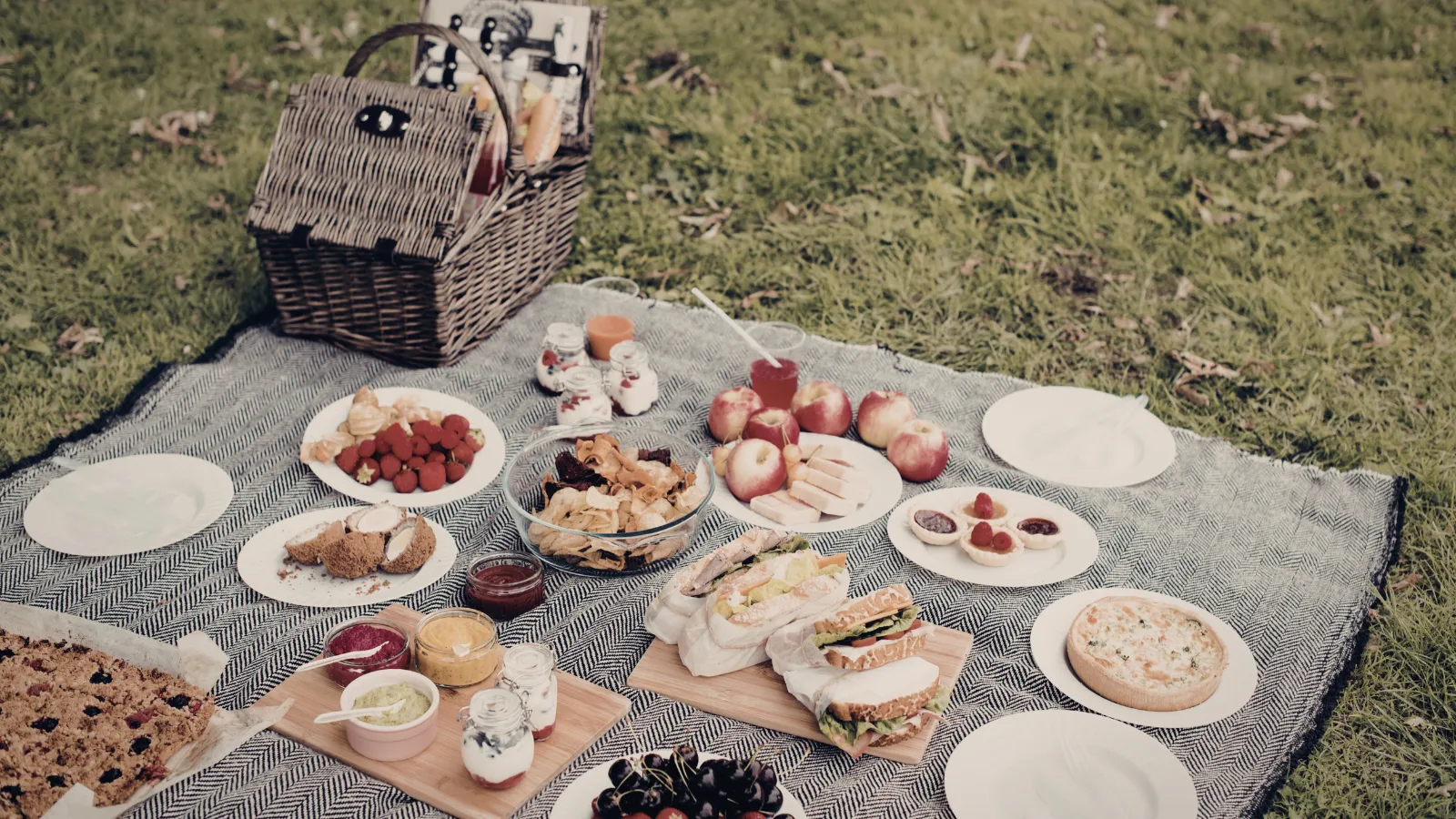
Some of the most memorable meals in Bordeaux are assembled rather than ordered.
A baguette from Au Pétrin Moissagais, cheese from a neighbourhood fromagerie, cured meats from the market, and a bottle of local wine enjoyed along the Quais de Bordeaux can feel more authentic than any reservation.
Bordeaux invites simplicity.
A Second Orientation Before Your Next Meal
By now, you’ve seen that eating in Bordeaux is not just about dishes. It is about geography, rhythm, and tradition. The markets sit where they do for historical reasons. Wine bars cluster in areas shaped by merchant trade. Even bakeries reflect neighbourhood identity.
If you want your next meal to feel intuitive rather than accidental, understanding how the historic centre evolved makes a difference. A well-paced Bordeaux Free Walking Tour connects food, architecture, and daily life in a way that deepens every reservation that follows.
A Closing Reflection
To ask what to eat in Bordeaux is to ask how the city sustains itself.
It sustains itself through oysters opened without ceremony. Through steak cooked in wine, grown just beyond the city limits. Through canelés eaten on cobbled streets. Through bread broken casually at long lunch tables.
Bordeaux cuisine does not try to impress you. It assumes you will notice its quiet assurance.
And once you do, you begin to understand that here, food is not performance. It is continuity — steady, confident, and deeply tied to the land that surrounds it.