Scent Trails of Bordeaux: Perfume-Making with Local Botanicals from Aquitaine
Walking through Bordeaux reveals its identity in layers — the glow of limestone at dusk, the rhythm of the riverfront, the quiet elegance of its façades, the smell of pastries drifting from bakeries. But one of the city’s subtler charms lies in its scents. The region’s natural landscape — pine forests, estuary winds, vineyards, orchards, wild herbs — forms a living palette of aromas that inspire local perfume-makers, artisanal boutiques, and craft workshops.
Bordeaux may not be as internationally associated with perfumery as Grasse, yet its botanical heritage is rich and surprisingly diverse. The Landes pine forests, the Atlantic coast, the Médoc heathlands, and the orchards of Entre-deux-Mers all contribute to a sensory identity that perfume artisans reinterpret into oils, tinctures, and fragrances. Travellers who explore these workshops discover a world rooted in nature, creativity, and regional pride.
This guide takes you along the scent trails of Bordeaux — from ingredients to ateliers, from botanicals to perfume-making experiences — offering an immersive way to connect with the region.
The Botanical Identity of Aquitaine
The southwest is a land of powerful yet gentle aromas. Its scents shift with the seasons and landscapes:
- pine resin from the Landes forests
- sea salt and marine breezes from the Atlantic
- wild gorse blooming yellow in coastal dunes
- fig and plum orchards in Gironde
- thyme, rosemary, bay, and sage from rural gardens
- acacia and lime blossom across small villages
- fresh grape leaves and budding vines in spring
- dry earth, sun-warmed gravel, and oak barrels in the Médoc
- aromatic shrubs growing along estuary paths
These are everyday scents for locals — scents that perfumers transform into something lasting.
Aquitaine doesn’t rely on dramatic floral notes; its fragrances are earthy, maritime, herbal, woody, citrusy, and naturally comforting.
Perfume-Making in Bordeaux: A Growing Craft
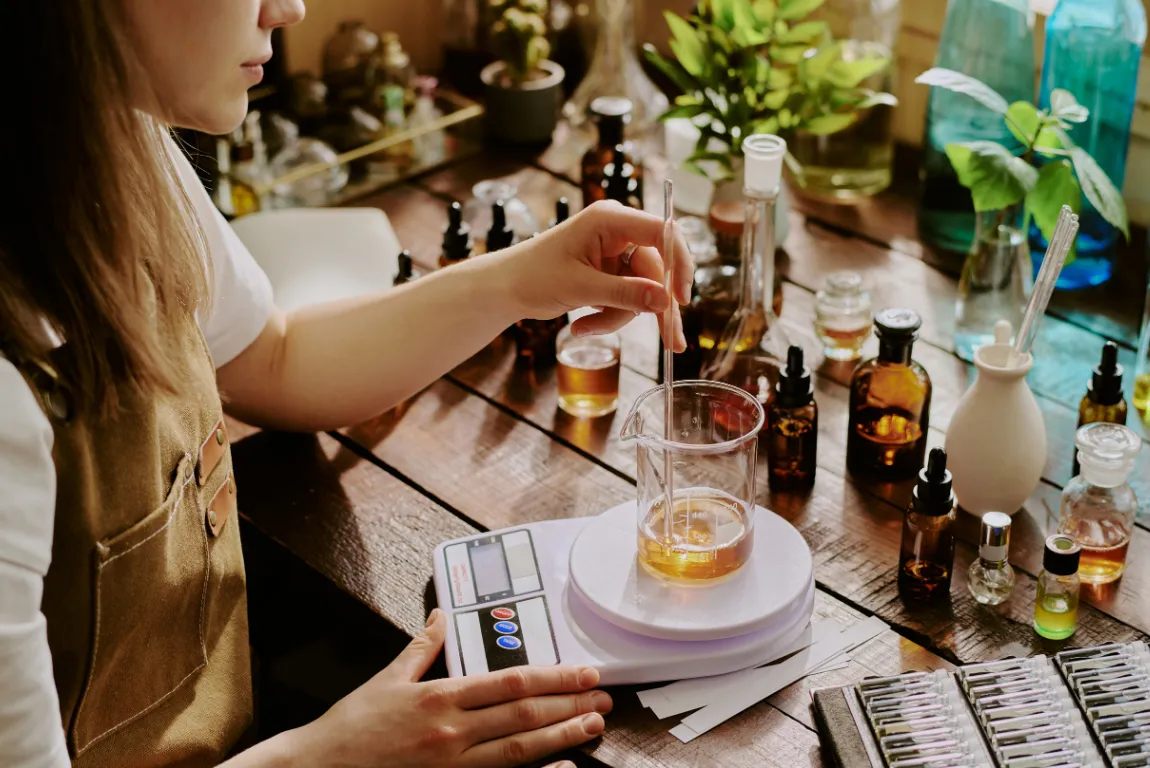
While Bordeaux’s wine industry has shaped its global reputation, a quieter movement has blossomed in recent years: artisan perfumers inspired by local botanicals. Instead of mass-market fragrances, these ateliers focus on:
- small-batch production
- regional ingredients
- botanical macerations
- natural essential oils
- sensory storytelling
- hands-on workshops
Travellers visiting Bordeaux increasingly look for experiences that reveal the city’s soul beyond wine — and scent-making provides exactly that.
The Raw Materials: Local Botanicals Used in Perfumery
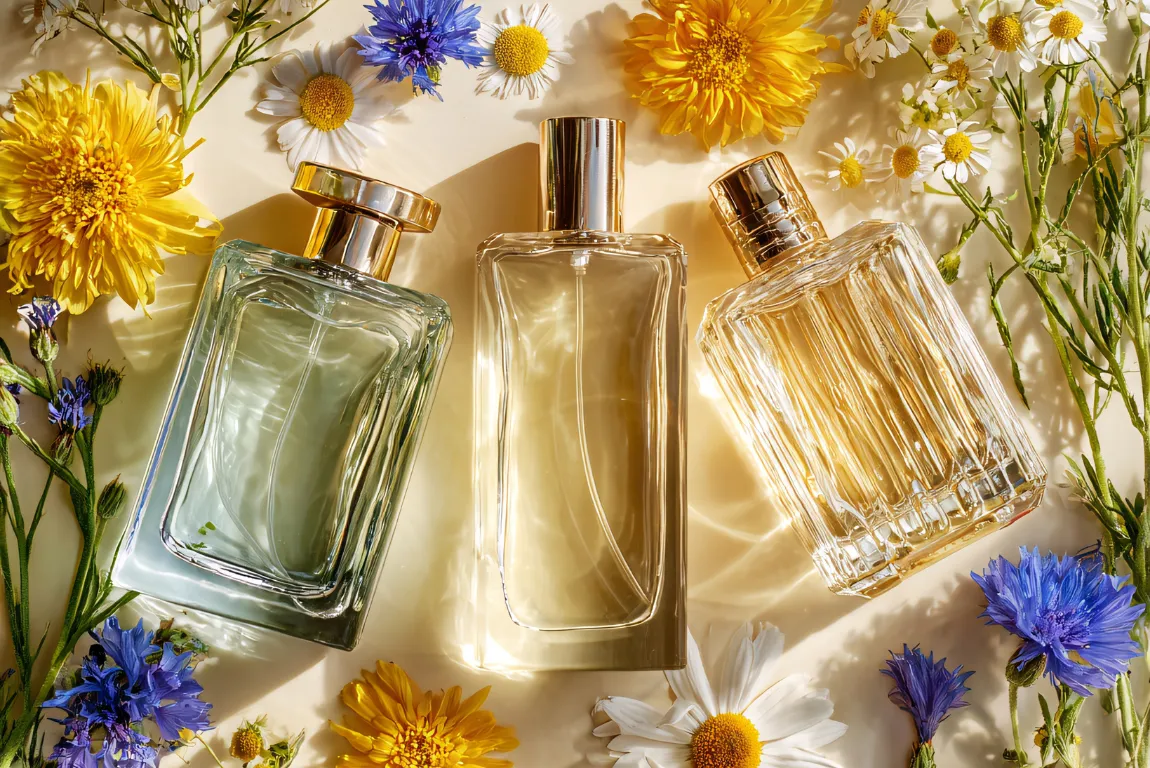
1. Landes Pine Resin
One of the most distinctive scents of southwest France. Pine resin from the Landes region brings warmth and depth to fragrance bases.
2. Maritime Notes from the Atlantic
Salt, seaweed extracts, driftwood accords — these create light, breezy top notes.
3. Oak, Cedar, and Forest Woods
Woods harvested locally carry the earthy aroma associated with both the Médoc and Bordeaux’s elegant townhouses.
4. Wild Herbs
Thyme, rosemary, sage, and bay leaves grow naturally in Gironde. These herbs provide green, aromatic layers.
5. Citrus and Garden Fruits
Lemon, clementine, and bergamot are grown in private gardens. Figs and plums inspire sweet mid-notes.
6. Vine Leaves
The scent of vines, especially in spring, has inspired several regional perfumes — green, fresh, mineral.
7. Flowers
Acacia, lime blossom, and mimosa bloom across Aquitaine, offering subtle floral tones.
This botanical diversity gives local perfumers an unusually rich palette for a region not typically known for perfume production.
Perfume Workshops in Bordeaux
While Bordeaux does not have a vast number of perfumeries, a few ateliers offer hands-on sessions where travellers can learn the art of fragrance creation using regional ingredients.
Below are real, verifiable workshops where visitors can create their own perfume.
Maison Satur – Atelier Parfum (Rue Fondaudège)
Maison Satur is one of the city’s most respected artisan perfume studios. Their workshops explore:
- The foundations of scent composition
- The difference between top, heart, and base notes
- The role of natural vs. synthetic essences
- blending techniques
- How local botanicals can be interpreted in perfumery
Participants create custom fragrances using a gorgeous selection of raw materials. Maison Satur often incorporates notes inspired by the region — pine, citrus, green leaves, oak moss, marine accords, and resinous woods.
The atmosphere is intimate and elegant, and the experience feels like a quiet journey through Aquitaine’s landscapes.
Carrément Parfum – Atelier Découverte (Chartrons)
Located near Chartrons, Carrément Parfum offers sessions for beginners and enthusiasts. The workshop introduces scent families, concentration levels (eau de toilette, eau de parfum), and blending.
The fragrances available here reflect:
- fresh green notes
- woody structures
- aromatic herbs
- floral layers
Travellers enjoy the friendly, accessible teaching style and the freedom to create fragrances influenced by Bordeaux’s surroundings.
Sillages Paris Pop-Up Workshops (Occasional in Bordeaux)
Name only
Sillages Paris occasionally hosts temporary workshops in Bordeaux — modern, playful, and perfect for travellers who like clean, contemporary fragrance structures. When held in the city, these sessions attract a younger audience and encourage bold combinations.
Scent Trails Through Bordeaux: Smells That Define the City
Walking through Bordeaux becomes richer when you pay attention to the scents around you. Perfume-makers often draw inspiration directly from the streets, gardens, and riverbanks.
1. The Garonne Quays
Fresh river air mixes with café aromas and hints of driftwood — a natural “marine-woody” accord.
2. Jardin Public
In spring: lime blossoms, freshly cut grass, soft flowers.
In autumn: dried leaves, earth, and the sweetness of decaying petals.
3. Chartrons District
Wine cellars, old wood beams, antique shops, leather-bound books — perfect inspiration for warm, woody fragrances.
4. Saint-Pierre
Streets filled with pastry scents, warm sugar, brioche, and café roasts.
5. Les Quinconces
Open-air breezes carry hints of dust, stone, and nearby trees.
6. The Golden Triangle
A refined blend of perfume boutiques, elegant façades, and upscale patisseries.
Each neighbourhood’s scent becomes an ingredient in the imaginary “fragrance of Bordeaux”.
The Perfume-Maker’s Process: How Scents Become Stories
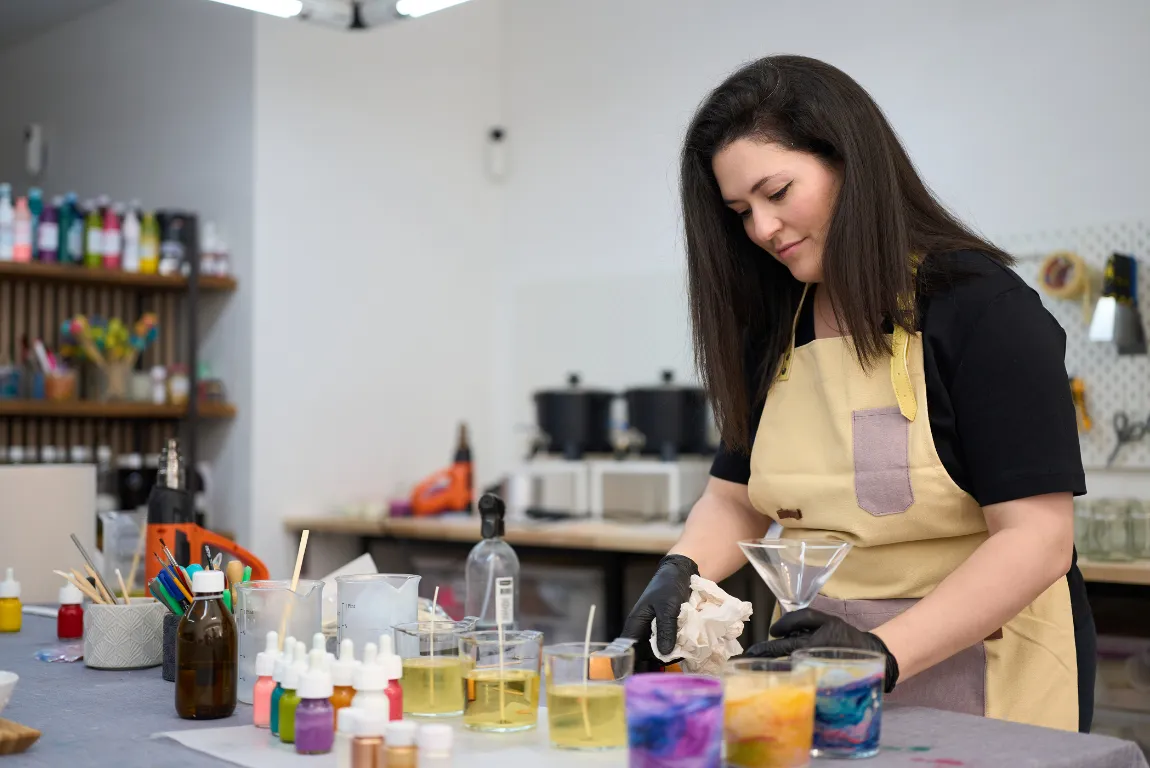
Perfume creation is a slow, patient art — part science, part imagination. Local artisans often begin by walking through landscapes, collecting inspiration from textures, colours, and natural scents. They translate these impressions into accords.
A typical process might include:
1. Inspiration Gathering
Observing vineyards in spring, pine forests in summer, or estuary breezes in autumn.
2. Selecting Notes
Choosing botanicals or accords that mirror the mood:
- pine resin for depth
- Bergamot for brightness
- sea salt accord for freshness
- Oakwood for structure
3. Layering Notes
Top notes capture Bordeaux’s outdoor freshness.
Heart notes reflect its gardens and kitchens.
Base notes anchor the fragrance with woods and resin.
4. Maceration
Letting the perfume rest, allowing molecules to blend and soften.
5. Bottling & Personalization
Adding final touches, labels, and packaging inspired by Bordeaux’s textures.
Travellers often find that creating a perfume becomes one of the most memorable souvenirs — an invisible reminder of the city.
Scent Pairings with Bordeaux’s Culinary & Wine Culture
Bordeaux’s wine world blends naturally with fragrance. Aromas that sommeliers describe — blackcurrant, cedar, tobacco, vanilla, violets, graphite, green pepper — often appear in perfumes too.
Examples of Shared Aromatic Families
- Cabernet Sauvignon shares notes with peppery, leafy perfumes.
- Sauternes echoes honey, apricot, and orange blossom accords.
- Oak-aged wines resemble woody, vanilla-based fragrances.
Perfume-makers frequently draw parallels between wine tasting and fragrance blending, emphasizing structure, balance, and layers.
Scent Walks: Discovering Bordeaux Nose-First
Travellers can create a personal “scent trail” simply by walking through the city.
Start: Jardin Public
Spring blossoms, cut grass, soil after rain.
Walk to Chartrons
Wood, antique shops, leather, river air.
Continue toward Les Quais
Fresh breeze, roasted coffee drifting from cafés.
Enter Saint-Pierre
Bakeries, sugar, warm pastries, vanilla.
End in the Triangle d’Or
Boutiques are releasing refined perfume clouds onto the street.
This journey engages the senses in a way that makes the city feel alive.
Where to Buy Locally Inspired Perfumes in Bordeaux
Maison Satur
Offers exquisite handcrafted fragrances rooted in natural materials.
Carrément Parfum
Sells artisan perfumes created in small batches.
Niche Perfume Boutiques (City Centre)
Names only
Several boutiques near Cours de l’Intendance and the Triangle d’Or carry niche and independent fragrance brands.
These boutiques focus on quality over popularity — ideal for travellers seeking refined scents.
Connecting Scent & Sense of Place
Perfume captures not just aromas but memories. Many travellers use scent as a way to remember cities — a fragrance can bring you back to a moment, landscape, or feeling.
In Bordeaux, scent connects you to:
- morning air along the river
- warm pastries in Saint-Pierre
- pine forests near the coast
- vineyards waking up in spring
- gardens fragrant with herbs
- evening breezes under limestone façades
Exploring the city through scent adds a layer of depth that most visitors never experience.
If you’re interested in exploring Bordeaux through sight, sound, texture, and taste as well, our guide to connecting Bordeaux with the senses expands on how the city can be experienced beyond traditional sightseeing.
Many travellers choose to begin their visit with a walking tour that introduces Bordeaux’s sensory landscape. A friendly option is Bordeaux Free Walking Tours:
https://bordeauxfreewalkingtours.com/
A Final Reflection on the Scent Trails of Bordeaux
Bordeaux expresses itself quietly through fragrance — in vineyards touched by sunlight, in pine forests carrying warm resin, in gardens perfumed with lime blossom, in the salty breath of the estuary, in cafés releasing warm sugar into the streets. Local perfumers take these elements and translate them into delicate compositions that reflect the spirit of Aquitaine.
Whether you join a perfume workshop, buy a handcrafted fragrance, or simply walk through the city paying attention to its aromas, you’ll discover a new side to Bordeaux — intimate, poetic, and profoundly atmospheric.
To connect these sensory impressions with the city’s architecture and stories, walking with Bordeaux Free Walking Tours adds meaning to the experience:
https://bordeauxfreewalkingtours.com/
Bordeaux leaves a trace not just on your memory, but on your senses — a fragrance that lingers long after you leave.