Rediscover Bordeaux on Foot: Five Memorable Winter Walks Around the City
Winter changes Bordeaux in ways many visitors never expect. The city softens. Footsteps echo longer along pale stone streets. The Garonne moves more quietly, and the vineyards beyond the tramlines retreat into themselves, stripped back to their essential forms. This is not a season of spectacle. It is a season of texture, rhythm, and space — and for travellers willing to explore on foot, winter reveals a Bordeaux that feels more intimate, more legible, and more human.
For visitors arriving between December and February, walking becomes the most honest way to understand the city and its surroundings. The distances feel shorter, the air clearer, the pace more forgiving. Without summer crowds or festival noise, neighbourhoods reveal how they actually function day to day. Winter walks around Bordeaux are not about ticking sights off a list. They are about following the grain of the city, reading its edges, and letting its quieter landscapes speak.
If you’re planning to explore beyond the colder months, our guide to beautiful walks in Bordeaux highlights year-round routes that complement these winter experiences.
Many travellers begin their stay by orienting themselves with a Bordeaux Free Walking Tour, which provides historical grounding and spatial clarity early on. From there, winter becomes an open invitation to explore further afield — sometimes within the city’s core, sometimes just beyond it — always on foot, always at human speed.
What follows are five winter walks around Bordeaux that balance urban discovery with nearby nature. Some unfold entirely within the city’s fabric, others stretch gently into the surrounding landscapes. All are well suited to shorter daylight hours, cooler temperatures, and the slower, more reflective mood that winter brings.
Walking in Bordeaux in Winter: What Changes and Why It Matters
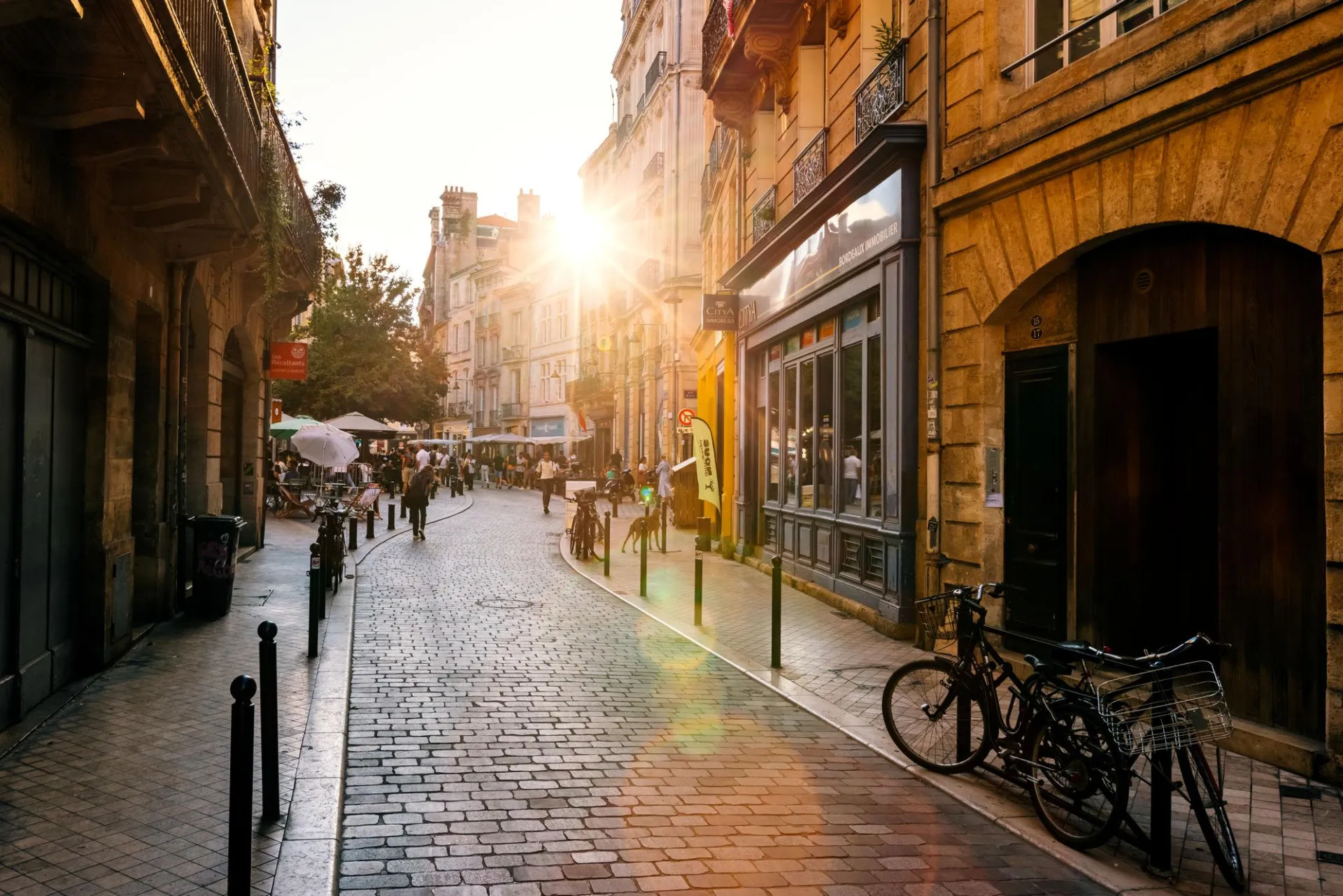
Walking in Bordeaux during winter is not simply a colder version of summer exploration. The experience reshapes itself entirely. Light sits lower, casting longer shadows across limestone façades. The city’s famous blond stone appears cooler, almost silver in overcast weather. Cafés pull inward, windows fogging gently as conversations carry on behind glass. For walkers, this creates a sense of moving alongside the city rather than through a performance staged for visitors.
Practically speaking, winter walking has advantages. Pavements are less congested, crossings are less frantic, and popular areas are easier to navigate without constant detours. The city’s compact centre becomes more readable, and longer routes feel manageable without heat fatigue. Beyond Bordeaux itself, winter reveals the region’s geography with unusual clarity. Vineyards, forests, and riverbanks lose their visual clutter, exposing contours, alignments, and distances that are often hidden by summer greenery.
A balanced winter walking itinerary allows visitors to experience both Bordeaux’s architectural heart and the quieter spaces that surround it. The following walks reflect that balance, each offering a distinct perspective on the city and its wider setting.
Along the Garonne: A Winter Walk Through Bordeaux’s Riverfront
The Garonne is Bordeaux’s spine, and in winter, it becomes its calmest companion. Walking along the riverfront during the colder months offers a long, uninterrupted sense of movement that feels almost meditative. The water moves steadily, reflecting pale skies and the city’s grand façades with subdued elegance rather than theatrical shimmer.
A winter river walk typically unfolds along the quays near Quai des Chartrons, where the city opens itself fully to the water. Here, wide pedestrian paths make winter walking comfortable, even on brisk days. The absence of summer crowds allows attention to settle on details: the scale of former wine warehouses, the geometry of iron railings, the slow rhythm of joggers and dog walkers who use the river as part of their daily routine.
As the walk continues toward Place de la Bourse, the riverfront becomes more formal, more emblematic. In winter, the famous water mirror often lies still or partially drained, transforming the square into a broad, reflective plane that amplifies the surrounding architecture without the distractions of play or performance. It is a moment of stillness rather than spectacle, one that suits the season perfectly.
Crossing the river via Pont de Pierre offers a subtle shift in perspective. From the centre of the bridge, Bordeaux appears both monumental and restrained, its classical proportions softened by winter light. On the opposite bank, the walk continues through quieter residential areas where the city feels lived-in rather than displayed.
This river walk is less about destination than continuity. In winter, it provides a gentle, grounding experience — an ideal first or last walk of the day, allowing visitors to absorb Bordeaux’s scale without urgency.
The Historic Heart: Winter Wandering Through Old Bordeaux
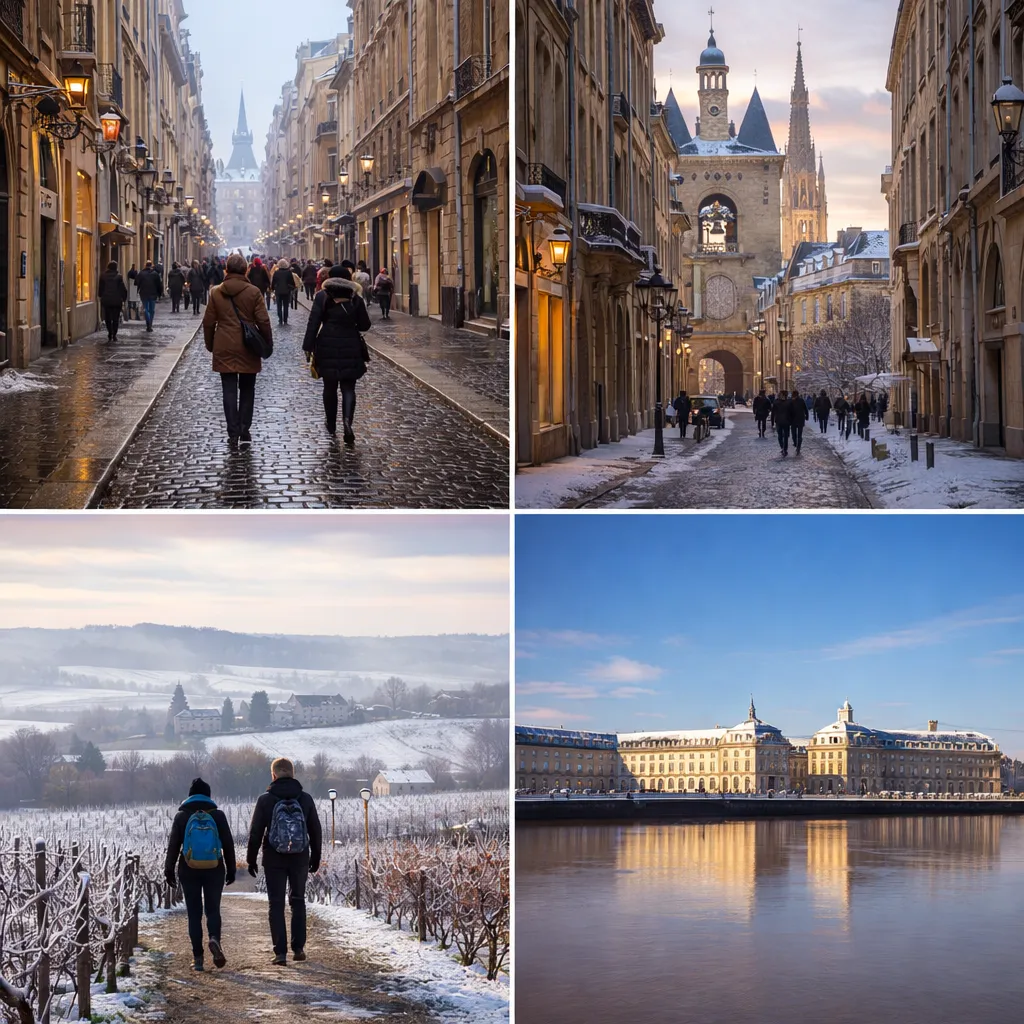
If the riverfront offers openness, the historic centre provides enclosure. Winter is arguably the best season to walk Bordeaux’s old streets, when narrow lanes feel intimate rather than crowded, and the city’s medieval layers become easier to read.
A winter walk through the historic heart often begins near Place Pey Berland, where the cathedral rises with quiet authority. In colder months, the square empties of tour groups, leaving space to appreciate proportions, materials, and the relationship between civic and religious architecture. From here, the walk naturally draws into a network of streets that twist and compress, revealing the city’s earlier incarnations.
Passing through Rue Saint-James and onward toward Place Saint-Pierre, winter walking highlights the lived reality of these spaces. Laundry hangs above doorways, shopkeepers adjust displays, and residents move through familiar routes. The absence of seasonal noise allows the sounds of daily life — footsteps, conversation, the clink of cups — to shape the experience.
The walk continues toward Place du Parlement, whose harmonious façades feel particularly composed under grey skies. In winter, this square becomes less of a meeting point and more of a moment — a pause in the urban fabric where visitors can stop, observe, and absorb without distraction.
This historic walk is short in distance but dense in detail. Winter encourages slower movement, and Bordeaux’s old centre rewards that patience. It is a walk that reveals how the city holds its past within everyday life, not behind barriers or signage.
Parc Bordelais: Winter Green Space Within the City
Urban winter walks benefit from contrast, and few places provide it as gracefully as Parc Bordelais. Located within the city yet distinctly removed from its architectural density, the park becomes a study in seasonal restraint during winter.
Paths curve gently through open lawns and clusters of trees, their bare branches outlining space rather than filling it. In colder months, the park’s design becomes more legible. Sightlines extend further, water features feel more intentional, and the park’s rhythm slows to match the season.
Winter walkers here are rarely rushed. Parents push prams along gravel paths, elderly residents take measured circuits, and solitary walkers find room for reflection. The park’s ponds take on a muted stillness, reflecting branches and sky in subdued tones that feel almost monochrome.
For visitors, Parc Bordelais offers an opportunity to step temporarily outside Bordeaux’s historical narrative and experience its present-day rhythm. It is not a landmark walk, but a lived one — and winter makes that distinction clearer. The park’s edges reveal residential streets where daily life continues unaltered by tourism, grounding the visitor experience in something authentic and unperformed.
Beyond the City: Winter Walking in the Bordeaux Vineyards
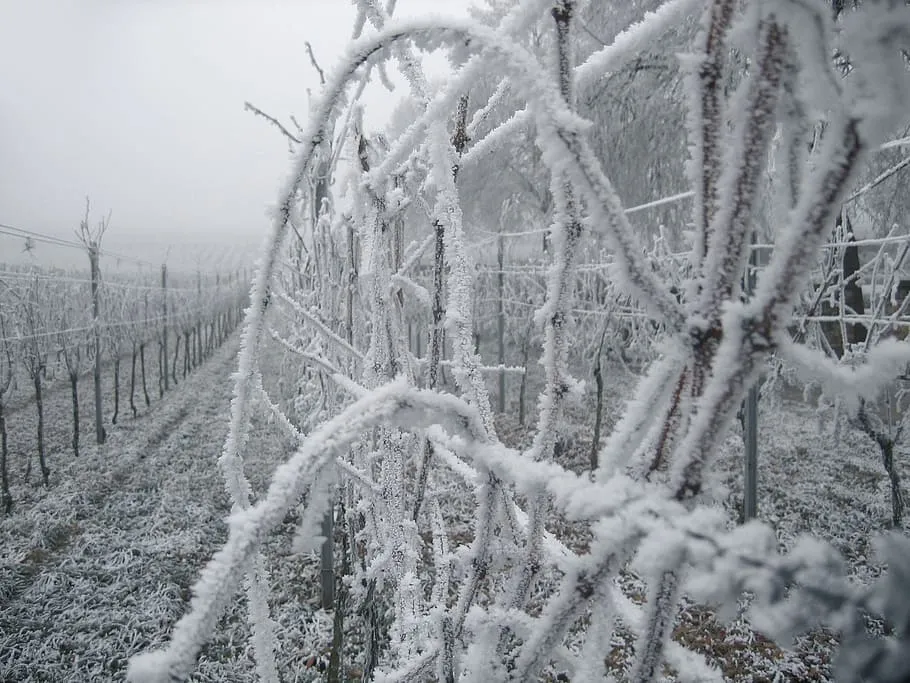
Winter is when Bordeaux’s surrounding vineyards feel most honest. Without leaves, grapes, or harvest activity, the landscape reveals its structure — rows, slopes, soil variation, and the quiet logic that underpins the region’s wine identity.
A winter vineyard walk near Pessac-Léognan offers a particularly accessible example. Just beyond the city’s edge, footpaths thread through estates and wooded areas, allowing walkers to move alongside vines resting between seasons. The absence of colour shifts attention to texture: gravel paths underfoot, clay and limestone soils exposed, the geometry of planting revealed in full.
Walking here in winter feels contemplative rather than celebratory. There are no tastings to rush toward, no terraces to occupy. Instead, the walk becomes an education in landscape. Visitors begin to understand how proximity to the city intersects with agricultural tradition, and how Bordeaux’s global reputation rests on these quiet, working spaces.
Short winter days suit vineyard walks well. Routes can be planned without pressure, allowing time to observe how estates relate to one another and to the surrounding villages. For travellers interested in Bordeaux beyond its urban core, winter vineyard walking provides context without distraction.
The Forest Edge: Winter Trails Near the Garonne’s Backwaters
For those willing to extend their walking radius slightly further, winter opens access to landscapes that feel almost removed from Bordeaux altogether. Near the river’s quieter backwaters, walking paths skirt forest edges and wetland areas that come into their own during colder months.
Areas near Parc des Jalles offer long, flat winter walks that follow watercourses and wooded corridors. In summer, these paths can feel busy or overgrown. In winter, they simplify, revealing a stark beauty shaped by water, soil, and seasonal light.
Here, winter walking becomes about immersion rather than observation. The sounds change — wind through branches, water moving beneath reeds, distant traffic softened by distance. For visitors, this walk provides a counterpoint to Bordeaux’s architectural elegance, reminding them of the broader ecosystem that surrounds the city.
These routes are best approached with practical footwear and an unhurried mindset. Winter weather adds unpredictability, but it also heightens awareness. Each step feels considered, each turn deliberate. The experience is less curated, more elemental — and for many travellers, deeply memorable.
How to Plan Winter Walks Around Bordeaux
Winter walking in and around Bordeaux benefits from thoughtful pacing rather than ambitious scheduling. Shorter daylight hours encourage routes that can be completed comfortably without rushing. Layered clothing matters more than distance covered, and cafés or sheltered spaces become natural pauses rather than planned stops.
The city’s compact layout makes it easy to combine walks, linking riverfront routes with historic streets or green spaces. Beyond the centre, public transport can extend walking possibilities without requiring long commitments. Winter rewards flexibility, the willingness to adjust routes based on weather, light, and mood.
Walking also sharpens awareness of neighbourhood transitions. In winter, Bordeaux’s districts feel more distinct, their boundaries clearer. Moving between them on foot allows visitors to sense how the city is assembled, not just how it presents itself.
Seeing Bordeaux Clearly in Winter
There is a particular honesty to winter walking. Without seasonal embellishment, places reveal their underlying character. Bordeaux, with its balance of grandeur and restraint, responds especially well to this clarity. Walking in winter strips the city back to essentials: stone, water, trees, streets and invites visitors to engage with it on equal terms.
Many travellers find that their understanding of Bordeaux deepens during this season. The city feels less like a destination and more like a place that exists independently of tourism. For those who begin their stay with a Bordeaux Free Walking Tour, winter walks become a natural continuation of that first orientation, extending knowledge outward and inward at the same time.
In the end, winter walking around Bordeaux is not about seeing more. It is about seeing differently. Slower, quieter, and more attentive, these walks offer a version of the city that stays with you long after the season has passed, not because it impressed, but because it felt real.