Is Bordeaux Expensive? A Detailed Guide to Real Costs in Bordeaux
The question “Is Bordeaux expensive?” usually comes with an assumption. The assumption is that a city famous for fine wine, grand architecture and elegant boulevards must automatically demand a generous budget.
The reality is more layered.
Bordeaux can be refined without being extravagant. It can feel elegant without draining your wallet. But it can also become expensive very quickly if you approach it without understanding how the city functions.
Cost in Bordeaux is not about prestige. It is about positioning. Where you stay, where you eat, how you move through the city, and whether you understand its rhythm all shape your daily spend.
Before discussing numbers, it helps to physically understand the city’s layout. The historic centre is compact, but accommodation pricing varies dramatically depending on which side of the river you stay, how close you are to Place de la Bourse, and whether you are within walking distance of the Golden Triangle. Getting that orientation early prevents overspending on transport or unnecessary convenience. A well-guided Bordeaux Free Walking Tour can clarify this immediately, helping you make smarter financial choices for the rest of your stay.
Now let’s examine the costs properly — without assumptions.
Accommodation: The Largest Variable
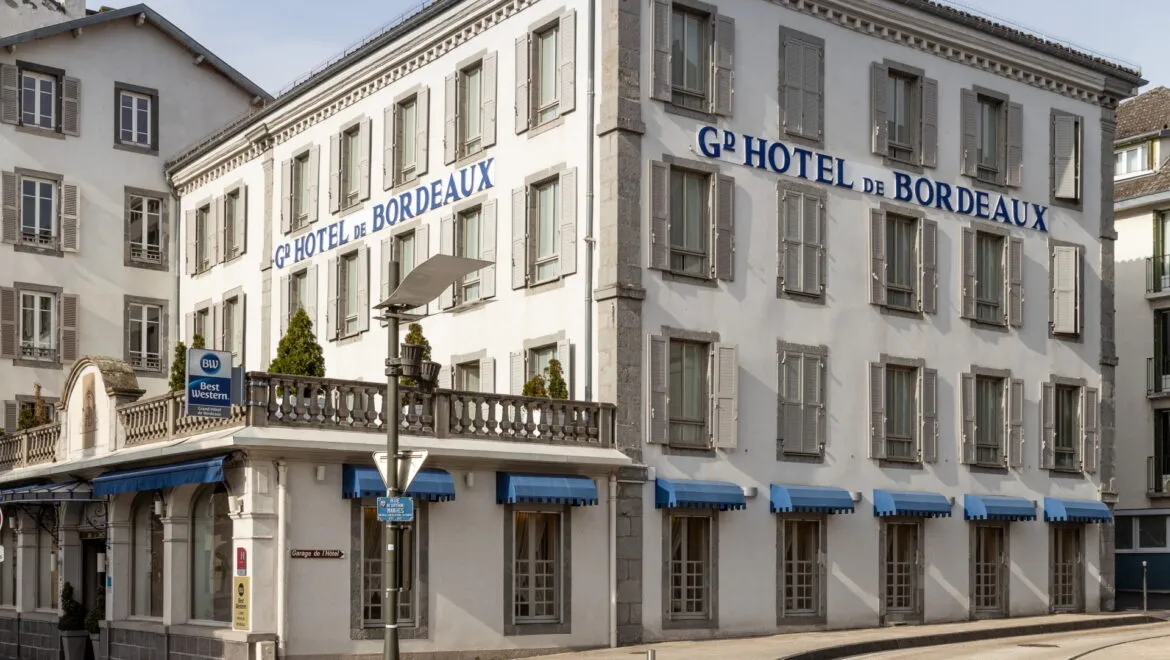
Accommodation will almost always be your biggest expense in Bordeaux. The difference between staying strategically and staying impulsively can shift your daily average significantly.
The Golden Triangle Premium
The area between Place des Quinconces, Allées de Tourny and Cours de l’Intendance commands the highest accommodation prices.
This district is architecturally impressive and close to everything. Boutique hotels here reflect that. You are paying for immediate proximity to historic façades, designer shops and central restaurants.
Is it worth it? If you plan to walk everywhere and return to your hotel frequently throughout the day, perhaps. If you are comfortable walking ten extra minutes from a quieter district, you may reduce nightly costs noticeably.
Chartrons: Balanced and Practical
Chartrons, historically the wine merchant district, offers a slightly calmer environment. It is still central, still beautiful, but often marginally more affordable.
Staying near the river in this area gives access to tram lines and walking routes without Golden Triangle pricing.
Saint-Michel and Beyond
Areas around Basilique Saint-Michel or toward the train station near Gare Saint-Jean tend to be more budget-friendly.
They may feel less polished but remain well-connected via tram. If you are prioritising cost over immediate aesthetic appeal, these districts offer strong value.
Seasonal Fluctuations
Accommodation pricing shifts dramatically depending on:
- Summer peak season (June–September)
- Wine-related trade fairs
- Major cultural events
- Harvest season
During wine events, room rates can double. Planning around these dates makes a substantial difference.
Food Costs: Flexible Rather Than Fixed
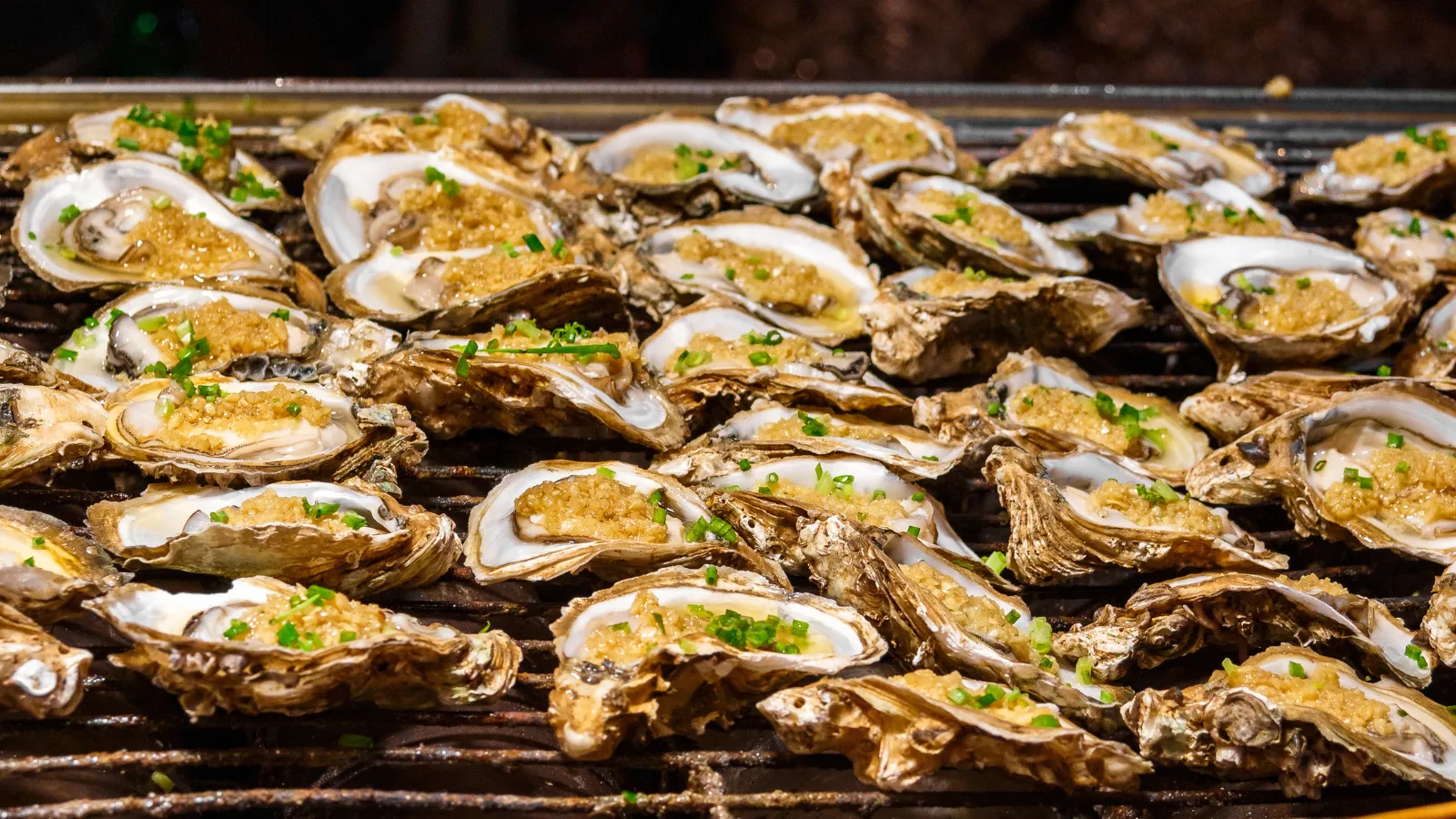
Bordeaux’s culinary reputation creates the illusion that every meal must be elevated. It does not.
Food in Bordeaux spans from market stalls to Michelin-starred dining rooms. Your spending is dictated by choice, not obligation.
Breakfast: Minimal Impact
A typical breakfast of coffee and pastry rarely feels excessive. Bakeries across the city offer affordable options. Sitting down at a terrace café increases the price, particularly in tourist-heavy squares.
The difference between takeaway and terrace service can be noticeable — something visitors often overlook.
Lunch: The Strategic Meal
Lunch is where Bordeaux delivers exceptional value.
Many bistros offer fixed-price menus that include starter, main and sometimes dessert at rates far lower than comparable meals in Paris. These menus are often seasonal and high-quality.
Eating your main meal at lunch rather than dinner can reduce your daily average without sacrificing experience.
Dinner: Where Costs Escalate
Dinner pricing varies more widely. Simple brasseries remain reasonable. However, fine dining — particularly establishments showcasing regional wines extensively — increases the bill quickly.
Wine pricing deserves special mention.
Unlike export markets, ordering Bordeaux wine in Bordeaux can feel surprisingly fair. Local bottles in wine bars such as Le Sobre are often priced more accessibly than abroad.
Still, selecting premium vintages will escalate your total dramatically.
The city does not force extravagance — but it makes it easy.
Transport: A Hidden Saving
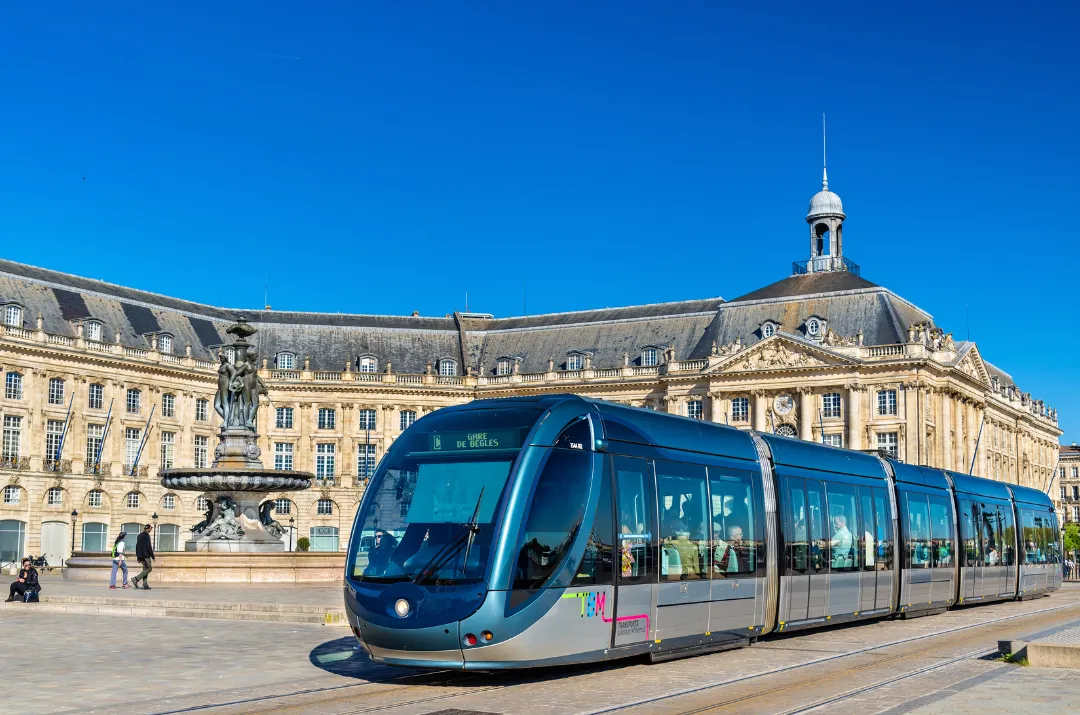
One of Bordeaux’s financial advantages is compactness.
From Grand Théâtre de Bordeaux to the riverfront and into Saint-Michel, walking is realistic and pleasant.
The tram network is efficient and inexpensive. A short-stay pass often eliminates the need for taxis entirely.
Compared with cities where daily metro travel accumulates costs quickly, Bordeaux reduces transport expenses naturally.
Attractions: Architecture is Free
Bordeaux’s beauty does not hide behind entry tickets.
Strolling along the river at Quais de Bordeaux, admiring classical façades, and exploring historic squares costs nothing.
Museums and cultural institutions charge moderate fees compared with major capitals.
The city’s architecture acts as its primary attraction — and it is free.
Real Daily Budgets in Bordeaux
To properly answer “Is Bordeaux expensive?”, it helps to move beyond vague impressions and look at realistic daily structures.
Below is not a rigid formula, but a practical framework.
1️⃣ The Budget-Conscious Traveller
This traveller prioritises experience over luxury and is comfortable making small strategic adjustments.
Accommodation
Staying outside the Golden Triangle — perhaps near Basilique Saint-Michel or toward Gare Saint-Jean — reduces nightly costs significantly.
Food Strategy
- Bakery breakfast
- Fixed-price lunch menu
- Picnic dinner assembled from market purchases
Markets such as Marché des Capucins allow you to eat exceptionally well at modest cost.
Transport
Primarily walking. Occasional tram use.
In this structure, Bordeaux feels very manageable — often comparable to smaller French cities rather than a major capital.
2️⃣ The Mid-Range Visitor
This is where most travellers fall.
Accommodation
Boutique hotel in Chartrons or near Place de la Bourse.
Food
- Café breakfast
- Proper bistro lunch
- Wine bar dinner
Evenings at places like Le Sobre elevate the experience without pushing into luxury pricing.
Wine
A good bottle with dinner becomes part of the budget rather than an exception.
In this category, Bordeaux feels refined but not financially intimidating.
3️⃣ The Refined Traveller
This visitor chooses:
- Central luxury hotel
- Michelin-level dining
- Private vineyard excursions
- Premium wine selections
Costs rise quickly in this tier, particularly if wine choices lean toward classified growths or older vintages.
However, even here, Bordeaux often remains more balanced than global luxury capitals.
Hidden Costs Visitors Overlook
Now we go deeper — into the details that quietly inflate budgets.
Terrace Pricing
Sitting at a terrace café in major squares can increase drink prices. The location premium is subtle but real, especially near Place de la Comédie.
Standing at the counter inside is often cheaper than table service outside.
City Tax
Hotels charge a nightly city tax per person. It is not enormous, but over several nights it accumulates.
Event Pricing
During major wine trade events or festivals, accommodation rates spike dramatically. Booking outside these windows can reduce costs by a noticeable margin.
Wine Enthusiasm
Perhaps the most underestimated expense in Bordeaux is enthusiasm.
Wine tastings, bottle purchases, and spontaneous additional glasses quickly increase your total. The city encourages indulgence gently.
Wine Tourism Costs in Context

Vineyard visits range widely in price.
Group tours reduce individual cost. Private tastings at prestigious estates command higher fees.
The key is understanding what you value: exclusivity or exposure.
Compared with certain New World wine regions, Bordeaux often provides strong value given its global status — but it rewards planning.
How to Spend Less Without Missing Out
Reducing cost in Bordeaux is not about sacrificing experience.
If you’re looking for practical, step-by-step strategies to lower your daily spend, our guide on how to visit Bordeaux on a budget breaks down specific savings without compromising the experience.
It is about rhythm.
- Eat your main meal at lunch.
- Walk instead of taking a taxi.
- Stay just outside the most polished district.
- Visit markets.
- Choose regional wines over headline labels.
Most importantly, understand the city’s layout early. Overspending often happens when visitors misjudge distances or neighbourhood dynamics. Orienting yourself properly makes everything else easier. A thoughtful Bordeaux Free Walking Tour provides that early clarity, helping you navigate confidently for the remainder of your trip.
So… Is Bordeaux Expensive?
Bordeaux is not cheap in the sense of a budget backpacking destination.
But neither is it extravagantly priced for what it offers.
It sits in a balanced space:
- More refined than many French cities
- Less financially overwhelming than Paris
- Flexible enough to adapt to your travel style
The real answer is this:
Bordeaux becomes expensive only when you choose constant luxury. Otherwise, it remains remarkably accessible for a city of such architectural beauty and culinary depth.
A Closing Reflection
The perception of cost often shapes expectations before arrival.
Bordeaux rewards those who approach it thoughtfully. Walk its streets. Sit in its squares. Observe where locals eat and how they move through the day.
Expense here is not imposed. It is optional.
And once you understand that, Bordeaux shifts from intimidating to inviting — a city where refinement coexists with realism, and where experience matters more than extravagance.