How to Experience Bordeaux Like the French Do
To experience Bordeaux the French way is not about discovering secret places or unlocking insider knowledge. It is about learning how to slow down inside a city that already moves at a human pace. Visitors often arrive with enthusiasm and good intentions, but also with habits shaped elsewhere: packed itineraries, constant movement, and the feeling that every hour must be productive. Bordeaux quietly resists this approach.
Locals do not try to “see” Bordeaux. They live in it. They walk the same streets repeatedly, return to familiar places without boredom, and allow days to unfold without rigid structure. Time is not filled; it is inhabited. Understanding how to experience Bordeaux as the French do means recognising that the city does not reveal itself through highlights, but through rhythm, repetition, and attention.
This slower, habit-shaped rhythm is explored more deeply in our guide to life in Bordeaux, where daily routines and neighbourhood movement define the city more clearly than landmarks ever could.
This is not something that happens immediately. It emerges gradually, often after visitors stop trying to control their experience and begin moving through the city with fewer expectations.
Walking as a Way of Living, Not an Activity
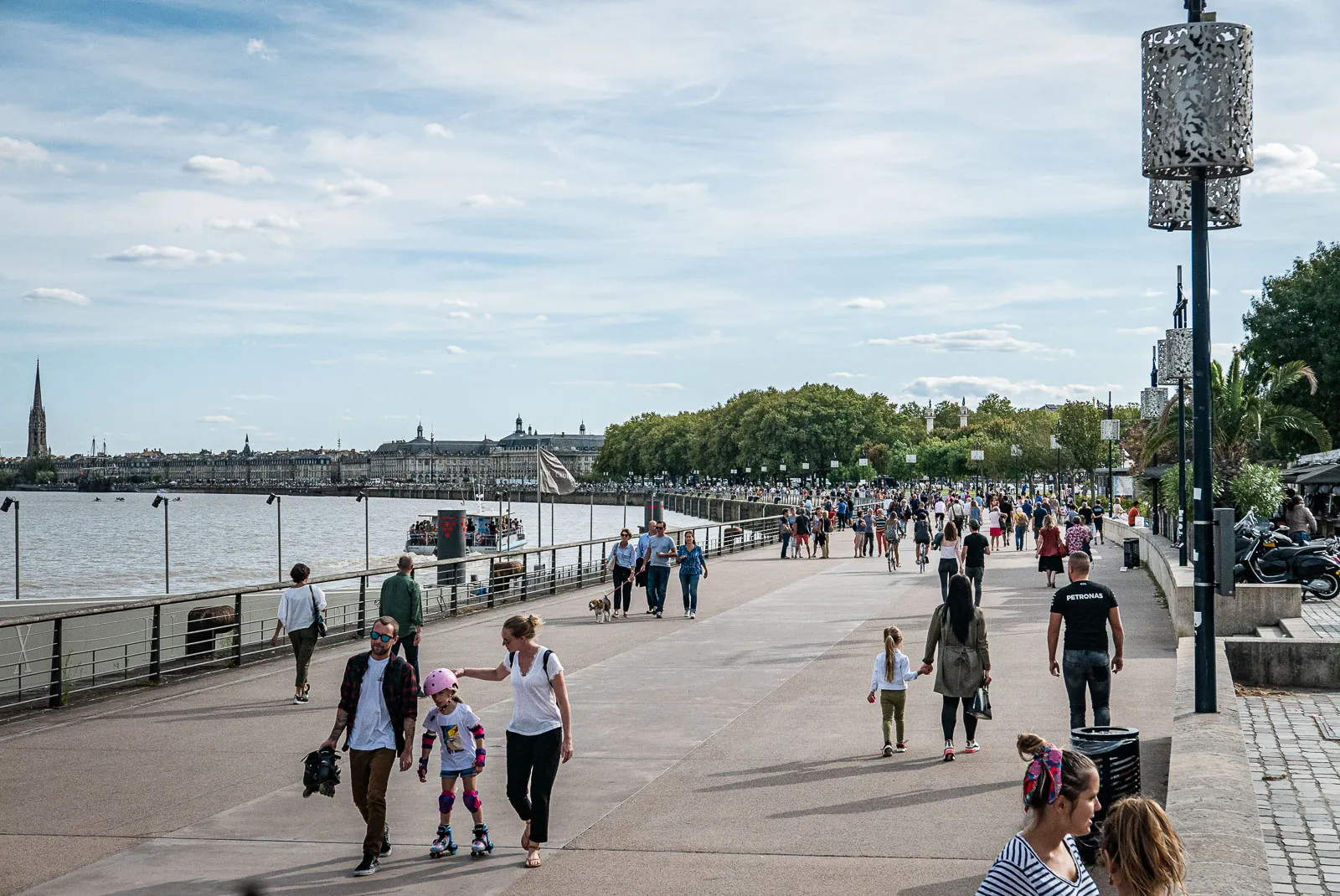
The most immediate difference between visitors and locals in Bordeaux is how they move. Walking is not a conscious choice here; it is the default. Streets are scaled for people rather than vehicles, and daily life is structured around distances that make sense on foot.
Walking through Saint-Pierre early in the morning reveals a version of the city that many visitors never see. The streets are quiet but not empty. Shopfronts open gradually. Deliveries arrive. Café doors unlock one by one. This is Bordeaux before it performs.
In Saint-Michel, walking exposes a neighbourhood shaped by markets, routine, and necessity rather than image. It feels rawer, more functional, and less concerned with aesthetics. By contrast, Chartrons encourages longer, slower walks, with wide streets and a sense of continuity that invites wandering without destination.
For visitors, adopting this walking-first mindset is transformative. Things to do in Bordeaux stop appearing as tasks to complete and begin to surface naturally through movement. Many travellers first notice this shift when they join a Bordeaux walking tour, where the city is introduced not as a list of sights, but as a lived environment shaped by daily habits.
Let the Day Organise Itself
French daily rhythm is subtle, but it exists. Bordeaux follows it quietly.
Mornings are purposeful. Locals walk with intent, often alone, moving between home, shops, and work. This is the best time to walk without interruption, when the city feels focused rather than social. Streets belong to residents, not groups. Conversations are brief. The pace is steady.
Midday brings a noticeable shift. Movement slows. Meals take precedence. Even a simple lunch creates a pause in the day, not something to rush through. Eating is not squeezed between activities; it defines the shape of the afternoon.
Afternoons stretch gently. Walking resumes, but without urgency. Errands turn into conversations. Routes become flexible. Time expands. Evenings gather momentum slowly, rarely announced, rarely forced.
Visitors who align themselves with this rhythm often find that experiencing Bordeaux becomes easier. Less is planned, yet more feels accessible.
Neighbourhoods Over the Centre
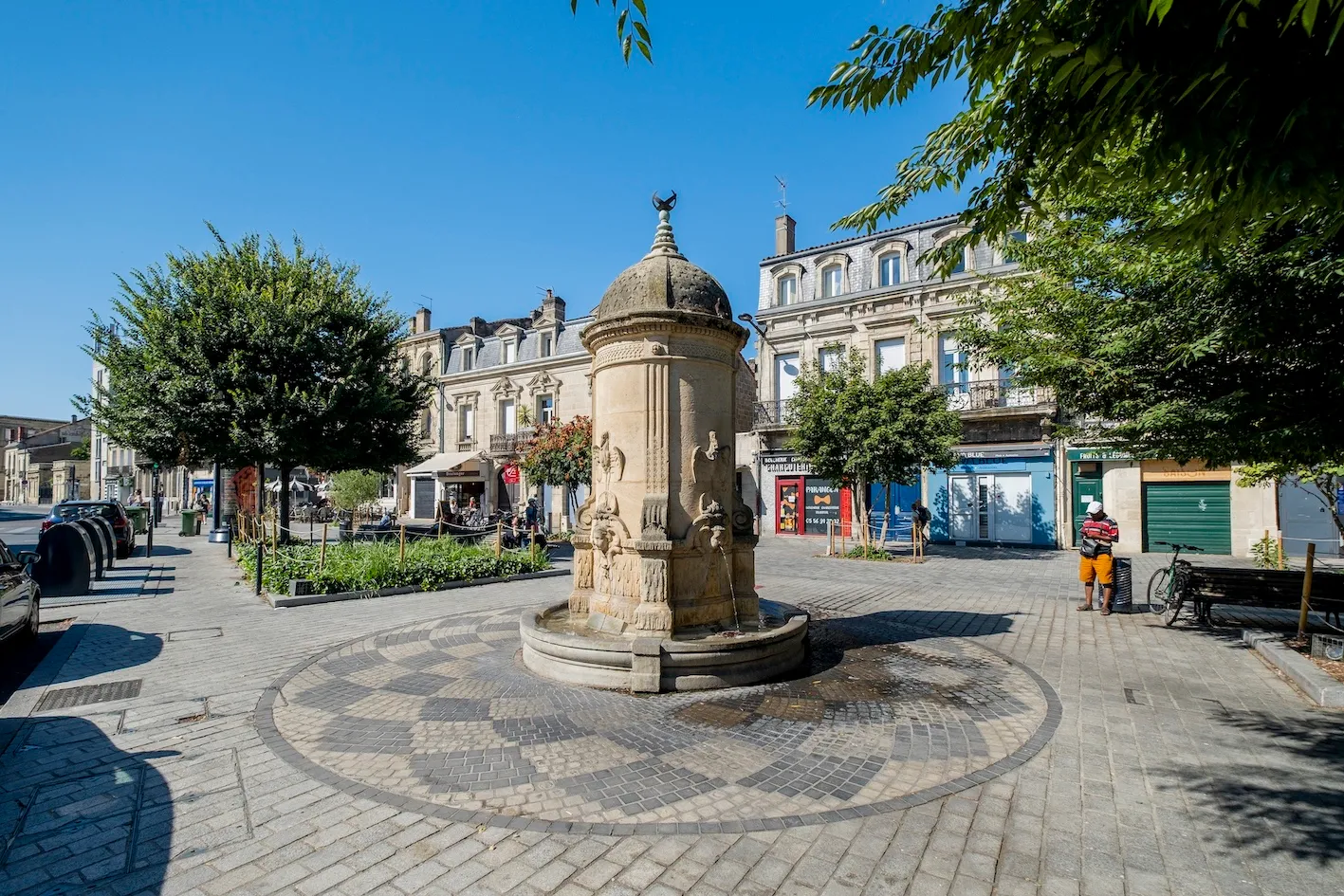
To experience Bordeaux the French way, it is essential to move beyond the historic centre. While the central districts are beautiful, they do not represent the full life of the city.
Walking through La Bastide on the right bank offers a different perspective. Streets feel wider, the pace calmer, and the relationship to the river more open. The city breathes differently here.
In Nansouty, Bordeaux reveals itself as a city of routines rather than spectacles. Schools, bakeries, and familiar routes shape daily movement. Nothing is designed to impress, yet everything feels coherent.
These neighbourhoods show Bordeaux as locals experience it: through repetition, familiarity, and comfort. Spending time here reshapes how visitors understand the city as a whole.
Eating as Structure, Not Entertainment
French food culture in Bordeaux is not driven by novelty. Locals return to the same places repeatedly, ordering familiar dishes without needing variation. Meals are not events; they are anchors.
To eat like the French in Bordeaux is to accept simplicity and regularity. Sit down. Take time. Allow meals to stretch, even when they are modest. Avoid treating food as something to optimise or rank.
Eating structures the day rather than interrupting it. Pleasure comes from continuity rather than discovery.
The Importance of Sitting Still
One of the most revealing habits to adopt in Bordeaux is stillness. Locals often sit without an agenda. They sit in squares, along streets, and beside the river, observing rather than documenting.
Along Quais de la Garonne, walking naturally turns into sitting. Sitting becomes watching. Time passes without measurement. This is not leisure in the conventional sense; it is presence.
For visitors, learning to pause without purpose often marks the moment when Bordeaux stops feeling like a destination and begins to feel like a place.
Dressing to Belong, Not to Be Seen
Style in Bordeaux is understated and practical. Clothing reflects the assumption that you will walk, sit, and move through the day without needing to change. Neutral colours dominate. Comfort is balanced with restraint.
Visitors who dress simply often feel more at ease. They move more naturally, blend into neighbourhood life, and feel less like observers. This subtle shift changes how the city feels in return.
Accepting Incompleteness
Perhaps the most French approach to travel is acceptance. Locals do not try to experience everything. They return instead.
Walking the same street twice is not inefficient. Sitting in the same place again is not repetition, but familiarity. To experience Bordeaux as the French do is to accept that missing things is not failure; it is part of understanding the city.
Living in the City Across Different Moments of the Day
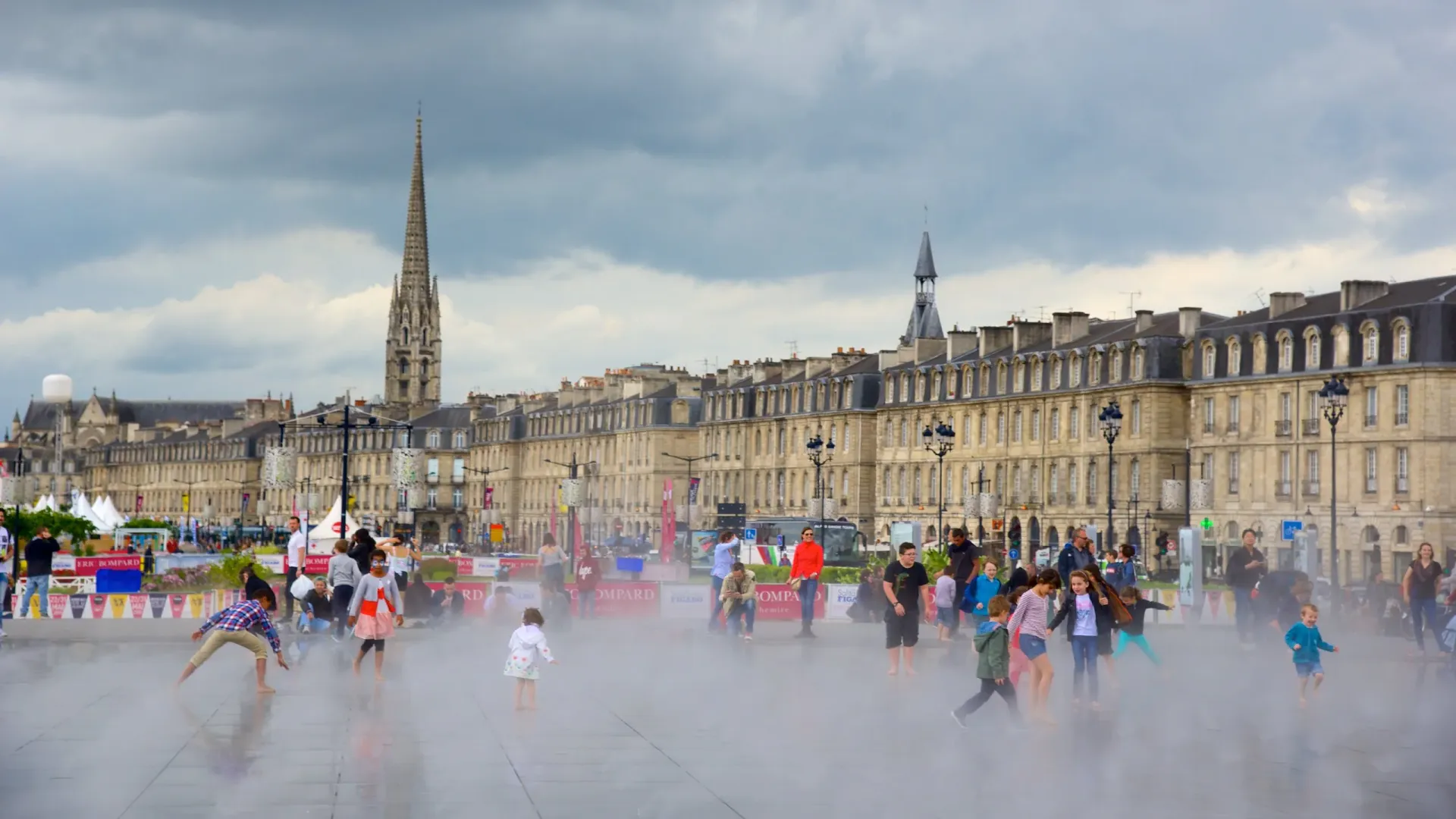
Once visitors stop organising their time around attractions, Bordeaux begins to reveal itself differently depending on when and how it is experienced. The same street can feel like several places across a single day, not because it changes physically, but because its function shifts.
Early mornings belong to necessity. People walk with purpose, often alone, moving between home, work, and shops. The city feels focused and inward-facing. This is when Bordeaux feels least performative and most sincere. For visitors, walking at this hour offers clarity: the city is not trying to impress anyone.
Late mornings soften slightly. Errands overlap with social encounters. Cafés begin to fill slowly. The pace remains calm, but more porous. Visitors who walk during this period often feel less conspicuous, as they move alongside locals rather than around them.
Afternoons are the most fluid. Time stretches. Walking becomes less linear. Routes change without reason. This is when Bordeaux feels most open to wandering, when the idea of “things to do” dissolves into movement itself.
Evenings arrive without urgency. Social life gathers momentum gradually. There is no rush to begin, no pressure to maximise. For visitors, learning to let evenings unfold naturally is one of the most difficult but rewarding adjustments.
Repetition as a Way of Understanding
French relationships with cities are built on repetition rather than novelty. In Bordeaux, this is particularly evident. Locals walk the same routes daily, eat in the same places, and sit in the same spots without boredom. Familiarity is not seen as stagnation, but as comfort.
For visitors, repetition often feels counterintuitive. There is a desire to cover ground, to avoid retracing steps. Yet returning to the same street or square at different times reveals layers that one-time visits cannot.
Walking the same route in the morning and again in the evening produces two distinct experiences. Sitting in the same place on different days brings subtle recognition. Over time, places stop feeling like backdrops and start feeling like environments.
This is how experiencing Bordeaux shifts from observation to participation.
The Role of the River in Daily Life
The river shapes Bordeaux quietly. It is not dramatic or dominant, yet it anchors movement and stillness throughout the city.
Walking along Quais de la Garonne reveals how the river functions as both a pathway and a pause. Locals walk here to transition between parts of the city, but also to stop. Sitting along the water is not treated as an activity; it is simply something that happens.
The river encourages unstructured time. It absorbs moments without demanding attention. For visitors, spending time here without an agenda often marks a turning point — the moment when Bordeaux stops being something to “do” and becomes somewhere to be.
How Seasons Shape the Experience
The French way of experiencing a city is also seasonal. Bordeaux does not aim to feel the same year-round, and locals adapt their habits accordingly.
Spring introduces lightness. Walking becomes longer. Outdoor spaces reclaim their role as social environments. The city feels curious again after winter’s inward turn.
Summer stretches days. Walking shifts earlier and later, avoiding heat. Afternoons slow dramatically. Sitting becomes essential rather than optional. Evenings extend gently, often without clear beginnings or endings.
Autumn restores balance. The city regains focus. Walking feels purposeful again, but without urgency. This is often when Bordeaux feels most itself.
Winter contracts movement. Walking remains constant, but routes shorten. Interior spaces take on greater importance. The city feels quieter, but not empty — simply turned inward.
Visitors who understand this seasonal rhythm adjust their expectations accordingly, allowing Bordeaux to meet them on its own terms.
Learning to Be Comfortable Without Achievement
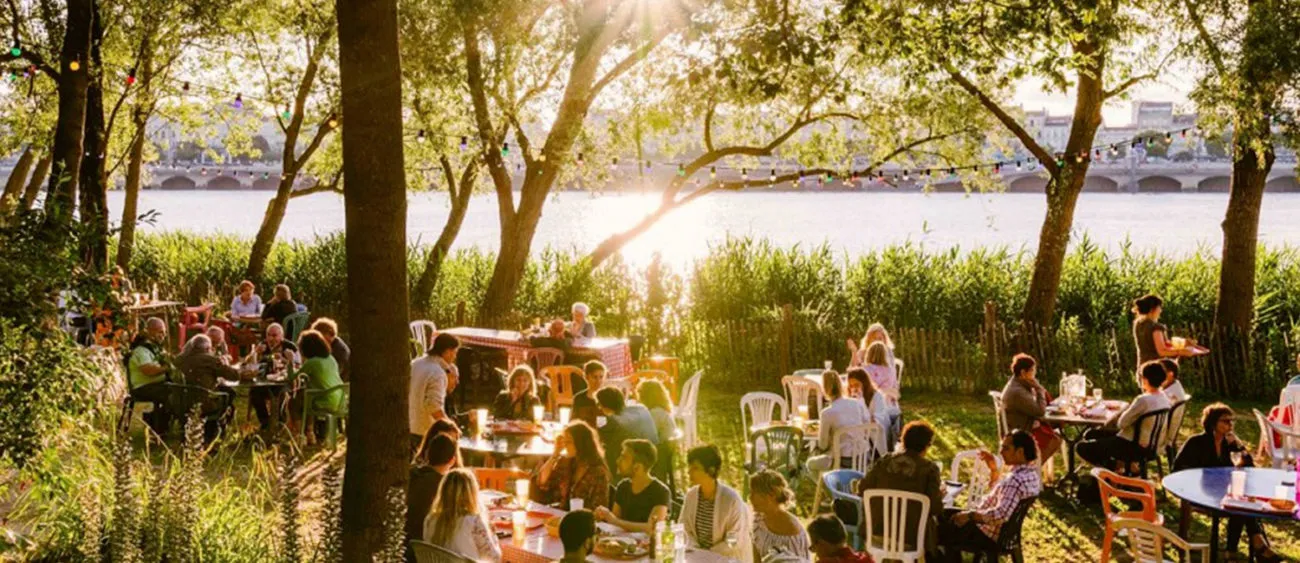
One of the most challenging aspects of experiencing Bordeaux as the French do is abandoning the idea of achievement. There is no sense of accomplishment attached to having “done” the city.
Locals do not measure their days by productivity or novelty. A good day might involve little more than walking, sitting, eating, and returning home. Value is placed on how a day feels rather than what it contains.
For visitors, this requires letting go of external validation. There may be fewer photos, fewer stories, fewer clear markers of success. Yet understanding deepens.
This shift often happens slowly, and not without resistance. But once it settles, Bordeaux begins to feel generous rather than demanding.
How Walking Changes Perception Over Time
Walking the city repeatedly alters perception. Distances shrink. Orientation improves. Confidence grows. Visitors stop consulting maps and begin navigating by instinct.
Streets become recognisable rather than interchangeable. Sounds and smells begin to register. Movement becomes fluid. This is when Bordeaux stops feeling foreign.
Many travellers experience this transition after spending time exploring the city on foot, sometimes guided at first, then independently. Revisiting the city through another Bordeaux walking tour later in a stay often reveals how much has changed — not in the city, but in the visitor’s way of seeing it.
Belonging, Even Temporarily
The French approach to place allows for temporary belonging. One does not need to live somewhere to feel connected to it. Repetition, attention, and patience are enough.
Visitors who walk regularly, return to familiar routes, and allow days to remain unfinished often experience a quiet sense of belonging in Bordeaux. It is not ownership or familiarity in the local sense, but recognition.
This feeling does not announce itself. It appears quietly, often without notice, and lingers long after departure.
A Natural Closing Reflection
Bordeaux does not ask visitors to conquer it. It asks them to coexist with it, briefly and attentively. Experiencing the city the French way means learning when to move and when to stop, when to observe and when to participate, and when to let a day remain unresolved.
Those who accept this rhythm often leave having seen less, yet understood more. What stays with them is not a list of places or moments, but a way of moving through a city — one shaped by walking, repetition, and ease — that can be carried elsewhere, long after Bordeaux itself has faded from view.