Food Producers Around Bordeaux: Farm Visits and Local Artisans
Beyond the City: Tasting Bordeaux at Its Source
When most travelers think of Bordeaux, they picture wine — and rightly so. But the region’s rich soil, mild climate, and deep agricultural traditions produce far more than grapes. From artisan cheesemakers and beekeepers to chocolate creators and family-run farms, Bordeaux is home to an entire network of local producers whose craft defines the region’s true flavor.
Exploring these artisans offers something different from the city’s elegant restaurants and markets. It’s an opportunity to meet the people behind the produce, to understand where your food comes from, and to enjoy experiences that blend authenticity with the natural rhythm of rural life.
For visitors who join Bordeaux Free Walking Tours, the journey often begins in the city — learning about its food markets, historical trade, and culinary culture — before extending into the countryside where tradition continues.
A Region Built on the Land
The Bordeaux region benefits from exceptional diversity in its landscapes — ocean, forest, estuary, and fertile valleys. Each area produces distinctive ingredients that shape local cuisine.
- The Gironde estuary supports salt meadows, honey farms, and oyster beds.
- The Entre-deux-Mers region is dotted with farms producing cheese, fruit, and grains.
- To the south and east, the land becomes forested, giving rise to mushrooms, truffles, and chestnuts.
These surroundings make Bordeaux not just a wine capital, but one of France’s richest agricultural regions.
Meeting Local Cheesemakers
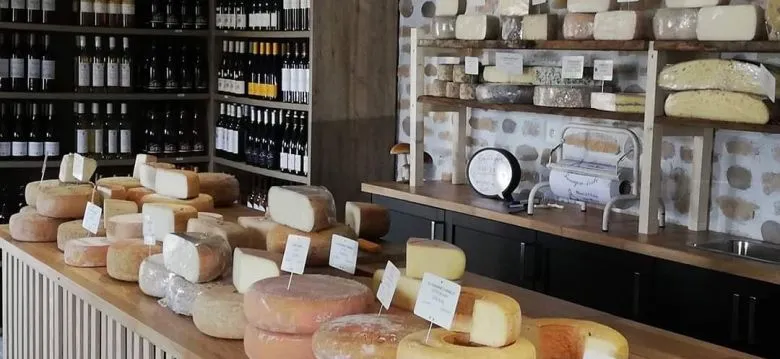
Fromage de Brebis and Local Chèvre
While Bordeaux itself is not traditionally a cheese-producing area, nearby regions like the Basque Country, Dordogne, and Lot-et-Garonne supply an abundance of artisan cheese that finds its way into local markets and farm shops.
Small farms around Sainte-Foy-la-Grande and Créon produce fresh goat’s cheese (chèvre frais) and semi-aged rounds that pair beautifully with dry white wines from Entre-deux-Mers.
Visitors can stop at farms where tastings are offered directly at the source. Many of these producers use organic or low-intervention methods, focusing on flavour and animal welfare. They’re happy to explain how seasonal changes influence the milk, texture, and taste of their cheeses.
Pairing a slice of goat cheese with a chilled glass of Sauvignon Blanc, under the shade of an oak tree, feels like an authentic Bordeaux moment — relaxed, simple, and unforgettable.
Beekeepers and the Taste of Local Honey
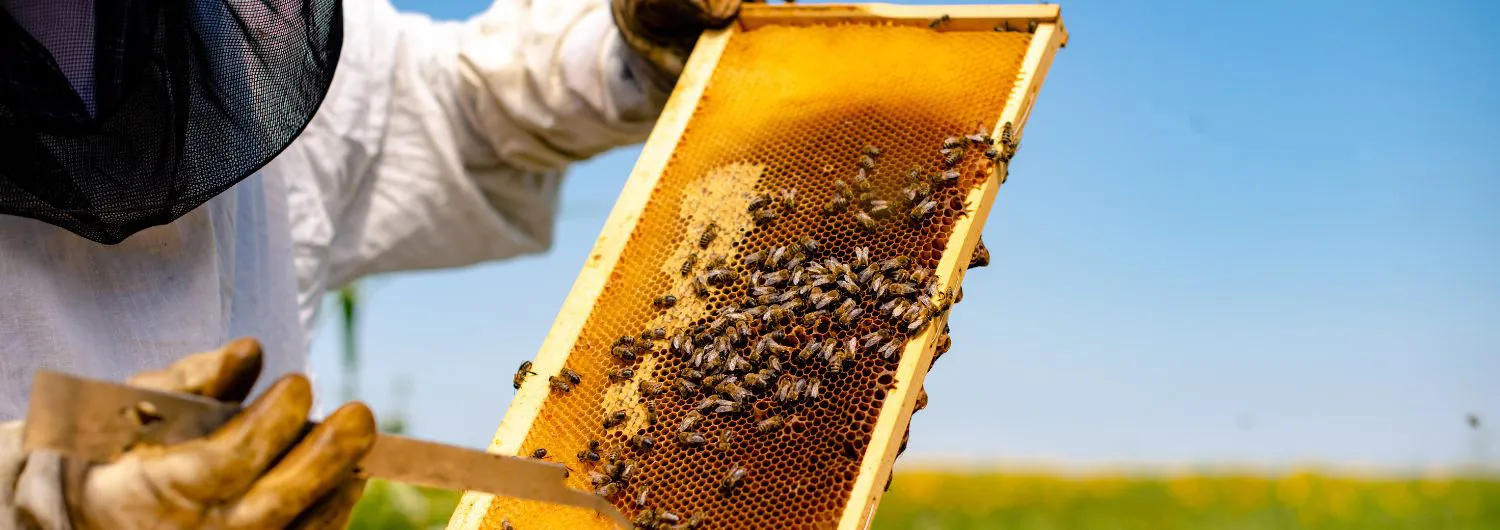
The forests and meadows around Bordeaux are home to thriving beekeeping traditions. Local honey producers harvest nectar from wildflowers, acacia, chestnut, and heather — each giving a distinctive taste and colour.
In areas such as Sauternes, the warm microclimate helps bees produce light, aromatic honey that locals use in sauces, pastries, or simply drizzled over cheese.
Visitors can find honey tastings at weekend markets and farm cooperatives, where producers often sell jars infused with lavender or walnut. For those exploring rural Bordeaux, a visit to a family-run miellerie (honey farm) offers insight into the region’s biodiversity — and how sustainable agriculture supports both bees and vineyards.
Olive Oil, Herbs, and the Rise of Small Producers
Though Bordeaux is not a traditional olive-growing region, in recent years several small producers in the Gironde and Lot-et-Garonne have revived olive cultivation, crafting limited batches of cold-pressed oil. These oils, often blended with herbs or citrus, showcase a modern take on local gastronomy.
You’ll also find small farms growing herbs, saffron, and lavender, reflecting the shift towards sustainable, small-scale agriculture. Many welcome visitors for workshops where you can learn about distillation, essential oils, and the craft of slow farming.
These visits connect travellers with a new side of Bordeaux — one that values innovation as much as tradition.
Chocolate, Ganache, and Local Pastry Artisans
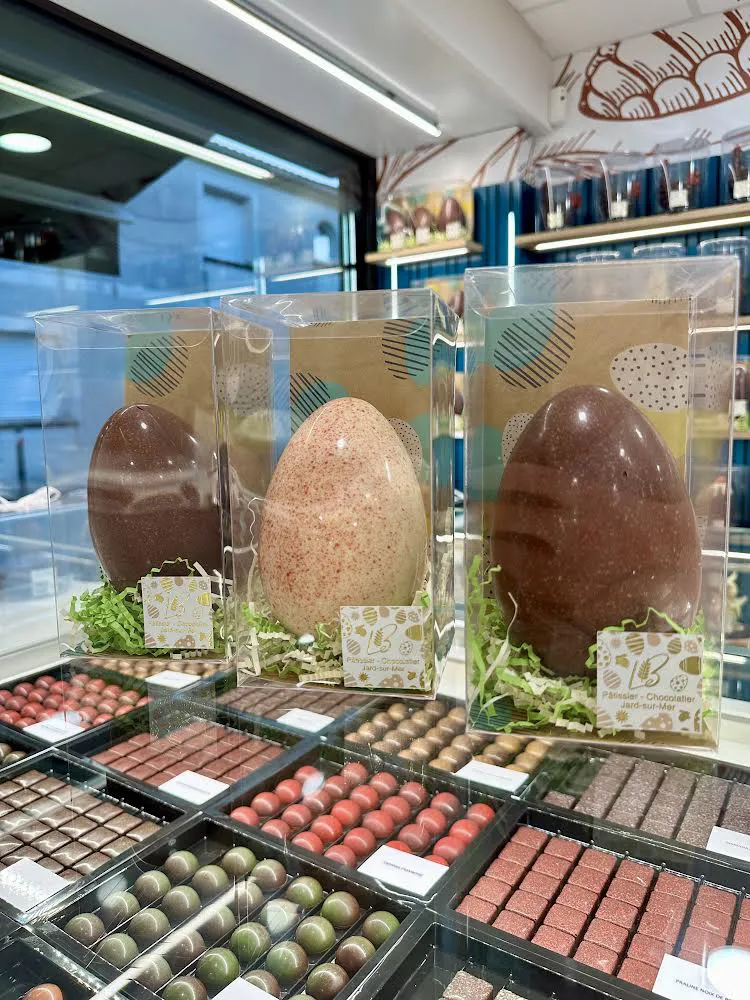
Bordeaux’s sweet side is thriving. The city’s history as a port introduced exotic ingredients like cocoa and sugar centuries ago, giving rise to a strong confectionery tradition. Today, artisanal chocolatiers and pastry makers continue that story.
The Chocolate Makers of Bordeaux
Many chocolate shops in Bordeaux still handcraft their products in small ateliers. These artisans experiment with local ingredients — wine, prunes from Agen, fleur de sel from the coast — to create chocolates that taste distinctly of the region.
Workshops are increasingly popular, where visitors can learn how to temper chocolate, fill ganache, and pair sweets with Bordeaux’s dessert wines. Whether you prefer dark chocolate with orange peel or milk chocolate infused with Sauternes, tasting local confections connects you directly with Bordeaux’s trade heritage.
The Famous Canelé
No visit to Bordeaux is complete without tasting the canelé, a small caramelized cake with a soft vanilla interior. Legend says the recipe originated with nuns in the 18th century who used leftover egg yolks from winemaking. Today, bakeries across the city — from Baillardran to La Toque Cuivrée — perfect their own versions.
Paired with coffee or sweet wine, the canelé captures Bordeaux in a bite: elegant, rich, and full of history.
Farmers’ Markets and Local Fairs
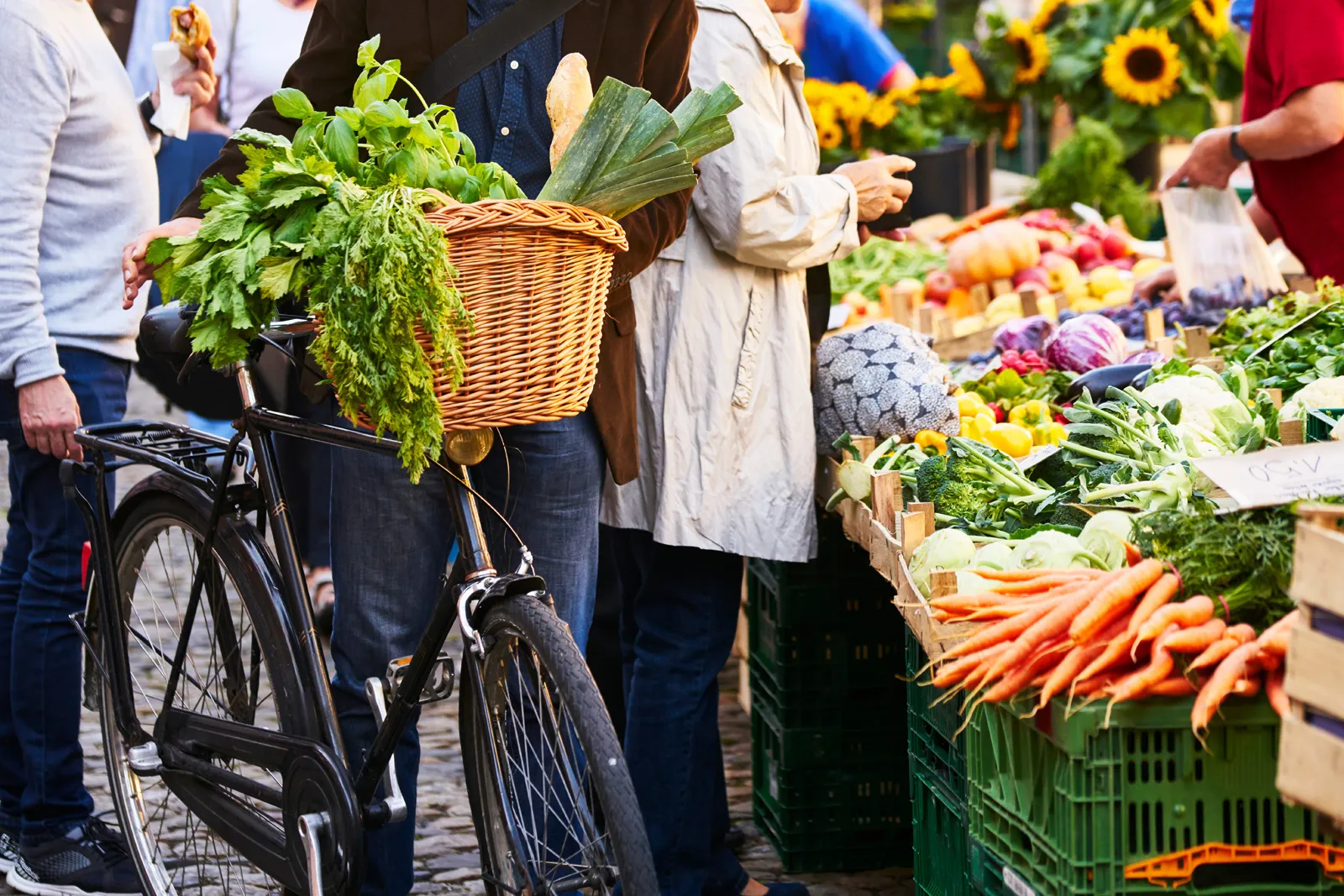
Bordeaux’s markets are the best place to meet local producers face-to-face.
To discover where to find these producers in the city, read our guide to the best markets in Bordeaux, from lively daily halls to relaxed riverside food markets.
Marché des Capucins
Known as “the belly of Bordeaux,” the Marché des Capucins is a lively daily market that brings together farmers, fishermen, bakers, and cheesemakers. Visitors can sample oysters, sip white wine, and chat with vendors about seasonal produce.
Marché de Chartrons
Held every Sunday along the river, the Chartrons Market combines food stalls with live music and a relaxed riverside atmosphere. It’s a favourite among locals who come for brunch, wine, and casual shopping.
Seasonal Fairs
In nearby villages, seasonal fairs celebrate harvests, honey, mushrooms, and chestnuts. These events blend food with tradition — an opportunity to taste, learn, and enjoy the hospitality of rural Bordeaux.
Farm Stays and Visits
For travelers looking to experience Bordeaux beyond the vineyards, several farms offer guided visits, workshops, and overnight stays.
You can milk goats at dawn, join a bread-making class, or learn how to make cheese or jam from scratch. Many farms also provide picnic areas where guests can enjoy lunch with local wine, fresh bread, and farm produce.
In areas like Entre-deux-Mers and Graves, where vineyards meet farmland, you’ll often find estates that combine wine production with farming, offering tastings that showcase the full breadth of Bordeaux’s terroir.
The Connection Between Wine and Food Producers
The relationship between Bordeaux’s winemakers and food producers is deeply intertwined. Vineyards often source their ingredients locally — honey for glazes, herbs for marinades, and cheese for tastings. Likewise, farms near wine regions benefit from the same fertile soils and sustainable practices.
Travelers who take a walking tour with Bordeaux Free Walking Tours will hear how the city’s history as a trade port created this ecosystem. Wine merchants imported spices, coffee, and cocoa, while rural producers supplied the city’s bustling markets. That exchange continues today, shaping Bordeaux’s food scene into something both global and rooted in place.
Sustainability and Modern Craftsmanship
Bordeaux’s new generation of artisans is as committed to sustainability as they are to quality. They focus on organic farming, low waste, and transparent production. Many have built direct relationships with consumers through farm shops and weekend markets, eliminating middlemen and creating stronger community ties.
This movement mirrors what’s happening in the region’s wine world — a shift toward authenticity, biodiversity, and a closer connection between land and table.
A Culinary Walk to Begin Your Journey
Before venturing into the countryside, start with a guided stroll through Bordeaux’s historic centre with Bordeaux Free Walking Tours. Guides reveal how the city’s architecture and food culture evolved together — from medieval trade routes to 19th-century markets.
You’ll learn how Bordeaux’s prosperity helped shape its cuisine and how artisans still carry on those traditions. Afterwards, armed with local insight, visiting nearby farms, markets, or chocolate ateliers feels like a natural continuation of your exploration.
The Traveller’s Takeaway
Bordeaux’s food culture is about much more than what’s on the plate. It’s a living network of farmers, artisans, and makers who share a passion for quality and connection. Visiting them turns a simple meal into an experience — one that engages all senses and deepens your appreciation of the region.
Whether it’s tasting honey fresh from the comb, watching cheese being formed, or discovering how chocolate meets wine, each encounter tells a story of craft and care.
And when you walk the city with Bordeaux Free Walking Tours, you’ll see how these stories tie into Bordeaux’s wider identity — a region built not only on wine, but on everything that grows alongside it.