Crossing Bordeaux: Comparing Bordeaux, Burgundy, and the Loire Valley for Travellers
France’s Great Wine Regions Through a Traveller’s Eyes
France’s wine regions are as diverse as the country’s landscapes. Each tells its own story — Burgundy with its patchwork of family plots, the Loire with its gentle rivers and castles, and Bordeaux with its grand estates and maritime elegance.
For visitors trying to decide which region to explore, the choice can feel daunting. Yet, for those who want a mix of history, beauty, gastronomy, and accessibility, Bordeaux often stands out. It offers the grandeur of wine country with the pulse of a vibrant city, making it both a destination and a journey.
Travellers who join Bordeaux Free Walking Tours often discover that the city itself serves as the perfect starting point for exploring not just Bordeaux’s vineyards, but also understanding how it compares to France’s other great wine-producing regions.
The Bordeaux Experience
A City Built on Wine and Water
Bordeaux’s story begins with the river. The Garonne has shaped its history, carrying barrels of wine to markets across Europe and bringing back goods, ideas, and cultures that turned the city into a cosmopolitan hub.
Today, that history is still visible in its architecture — the grand façades of the Quais de Bordeaux, the merchant houses of Chartrons, and the elegant boulevards that mirror Paris in miniature.
But unlike other regions where vineyards are scattered far from urban life, Bordeaux’s charm lies in its accessibility. You can taste wines from across the region without ever leaving the city, then reach world-famous estates within an hour by train or car.
A Region of Diversity
Bordeaux’s vineyards stretch over 110,000 hectares, divided into distinct appellations — Médoc, Graves, Saint-Émilion, Sauternes, and Entre-deux-Mers, among others.
Each has its own identity:
- Médoc for powerful reds, structured and age-worthy.
- Graves and Pessac-Léognan for elegant blends and refined whites.
- Saint-Émilion for charm, heritage, and hillside beauty.
- Sauternes for golden, sweet wines that taste like liquid sunshine.
This diversity means visitors can explore multiple styles within a single trip — from grand châteaux to small family estates, modern wineries to medieval villages.
Burgundy: The Art of Precision
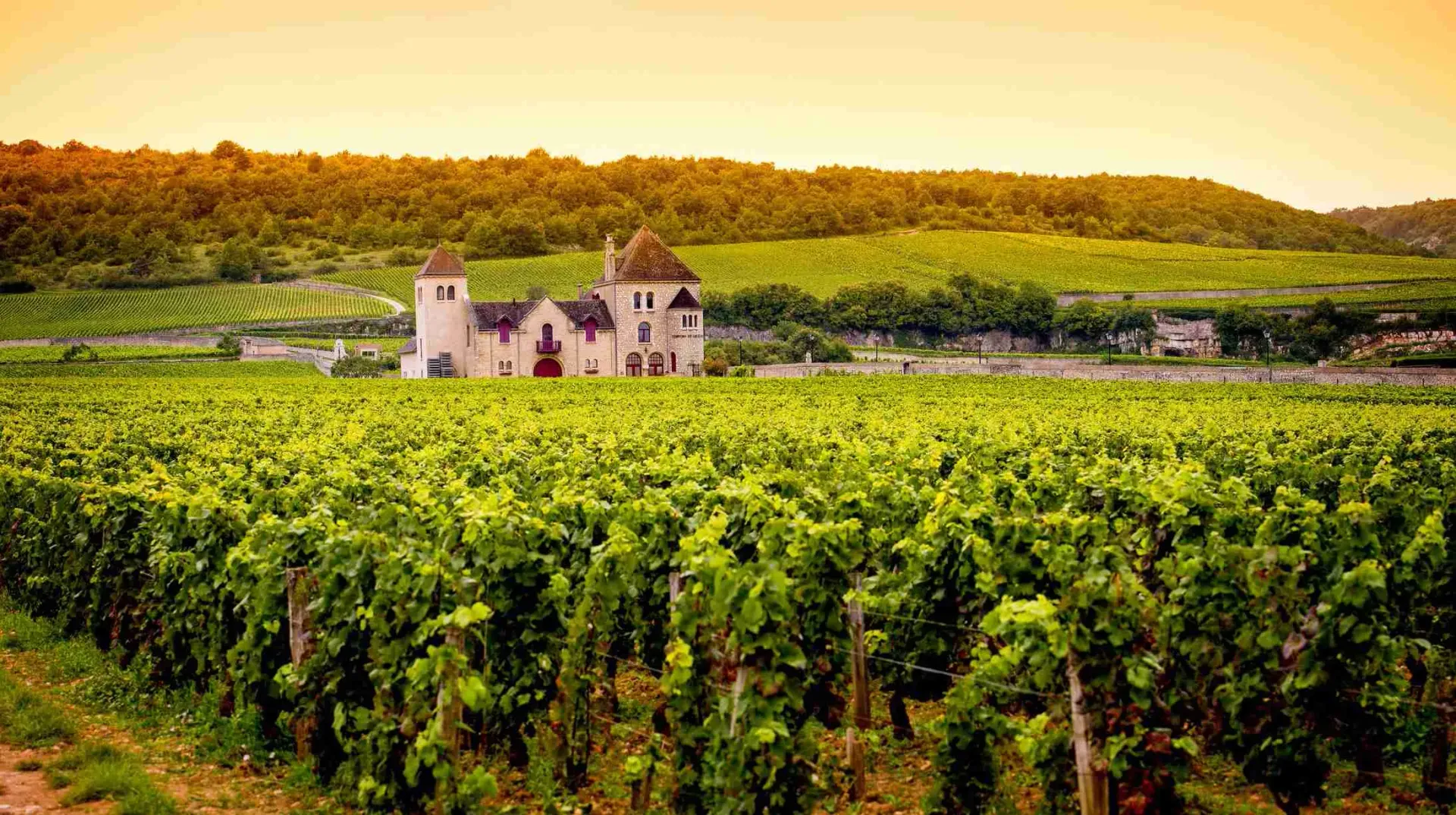
If Bordeaux is about scale and sophistication, Burgundy is about intimacy and detail.
The Landscape of Small Plots
In Burgundy, the vineyards are divided into tiny parcels known as climats. Each plot can produce wine completely different from its neighbour — a reflection of soil, slope, and microclimate. The result is a mosaic of styles defined not by estates but by terroir.
For travelers, this means the experience is more rural and introspective. Towns like Beaune, Nuits-Saint-Georges, and Chablis feel smaller, quieter, and more traditional than Bordeaux. You drive or cycle through rolling hills, visiting family-run domaines where tastings often happen in the owner’s kitchen.
The Wines and Their Philosophy
Burgundy is synonymous with two grapes — Pinot Noir and Chardonnay — yet the region produces extraordinary diversity within that simplicity. Wines are more about nuance than power, elegance over intensity.
While Bordeaux’s blends tell the story of collaboration between grape varieties, Burgundy’s wines tell the story of place — one grape, one plot, one moment in time.
For visitors, this focus creates a deeply personal connection between land and glass, but it also means travel here requires more planning and appointments, as wineries are smaller and often family-operated.
The Loire Valley: Romance and Variety
Between the Atlantic coast and the heart of France lies the Loire Valley, a region that feels like something out of a fairytale. It’s known as the “Garden of France” for good reason — castles, rivers, gardens, and vineyards flow together in an almost dreamlike landscape.
A Region of Lightness and Charm
The Loire Valley appeals to travelers who value variety and scenery as much as wine. You can visit Château de Chenonceau, cycle along the Loire River, and taste everything from crisp Sancerre to sparkling Crémant de Loire within the same day.
Unlike Bordeaux’s polished urban center or Burgundy’s quiet villages, the Loire offers an easygoing rhythm. Towns like Tours, Saumur, and Angers blend history with a laid-back charm that makes visitors feel instantly at home.
The Wines of the Loire
The region’s wines mirror its geography — lighter, fresher, and more diverse than Bordeaux’s. Whites like Sauvignon Blanc from Sancerre and Chenin Blanc from Vouvray are aromatic and mineral-driven, while reds such as Cabernet Franc from Chinon are fruit-forward and supple.
It’s also one of France’s best regions for sparkling wine outside Champagne, with Crémant de Loire offering a refined yet affordable alternative.
For travelers who enjoy scenic beauty and gentle exploration, the Loire is a destination that invites you to wander, not rush.
Bordeaux vs Burgundy vs Loire: The Traveler’s Comparison
Accessibility and Transport
- Bordeaux: Connected by high-speed train from Paris (just two hours), with trams, bikes, and well-marked routes for exploring. Perfect for travelers who want a mix of city and countryside.
- Burgundy: More rural, best accessed by car. Great for those seeking peace and quiet but less convenient for short stays.
- Loire: Well-connected by train and ideal for cycling. Best suited for relaxed itineraries.
Atmosphere and Experience
- Bordeaux: Grand, urban, elegant. You can visit museums, dine in Michelin-starred restaurants, and enjoy vibrant nightlife alongside vineyard visits.
- Burgundy: Intimate, traditional, reflective. Ideal for travellers who value craftsmanship and a slower pace.
- Loire: Romantic, diverse, pastoral. Perfect for couples, families, and anyone seeking beauty without intensity.
Wine Tourism Style
- Bordeaux: Professional and polished — grand châteaux, expert guides, and structured tastings.
- Burgundy: Personal and humble — meet the winemaker, walk through small plots, and taste wines directly from the barrel.
- Loire: Casual and scenic — friendly tasting rooms and easy-going tours near rivers and castles.
The Culture Beyond Wine
Each region offers more than what’s poured in the glass, and for travellers, these differences can shape the entire experience.
Bordeaux’s Heritage and Lifestyle
Bordeaux is a city of ideas as much as taste. It was home to philosophers, explorers, and merchants who helped define French culture. Its architecture, cafés, and markets reflect a society built on exchange — of goods, of stories, of art.
Visitors who join a Bordeaux Free Walking Tour discover this cultural depth first-hand. Guides connect the dots between trade, history, and the city’s modern evolution — revealing how wine was only one part of Bordeaux’s greater identity.
Burgundy’s Monastic Legacy
Burgundy’s winemaking origins lie in medieval monasteries, where monks meticulously mapped the land and defined the early concept of terroir. Today, the peaceful rhythm of abbeys and vineyards remains intact. Travelling here feels like stepping back in time.
The Loire’s Artistic Spirit
The Loire Valley inspired painters, poets, and kings. Its castles are masterpieces of Renaissance design, and its towns host open-air festivals, markets, and gardens that celebrate creativity. The lifestyle is lighter — artistic, colorful, and open to all.
Food and Gastronomy
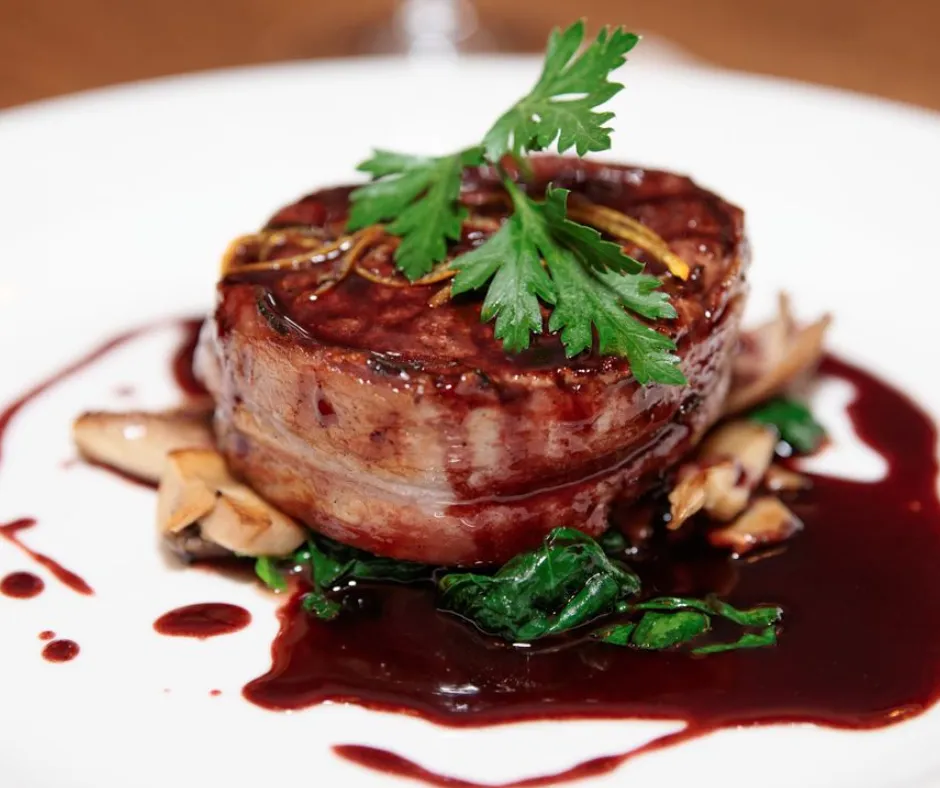
Each region brings its own culinary treasures.
- Bordeaux: Rich, hearty dishes — duck confit, entrecôte à la Bordelaise, oysters, and canelés. The cuisine matches the city’s confidence.
- Burgundy: Comfort food — boeuf bourguignon, coq au vin, escargots, and Epoisses cheese. Earthy, warming, and deeply traditional.
- Loire: Delicate flavors — goat cheese, river fish, apple tarts, and light pastries. Fresh and simple, just like the landscape.
For travelers, these meals define the rhythm of each region. In Bordeaux, dining feels refined and social; in Burgundy, it’s introspective; in the Loire, it’s joyful and relaxed.
The Feel of Each Region
If you ask travelers what they remember most, their answers reveal the personality of each place:
- In Bordeaux, it’s the sunset over the river, the grandeur of Place de la Bourse, and the feeling of walking through history.
- In Burgundy, it’s the quiet of a vineyard at dawn, the patience of a winemaker, and the humility of small beginnings.
- In the Loire, it’s the laughter of picnics by the water and the sight of castles reflected in the river’s calm.
Each region offers something distinct — but Bordeaux is the one that often stays with people the longest, precisely because it combines all of these moods into one destination.
Why Travelers Choose Bordeaux
Bordeaux offers a rare combination of accessibility, culture, and variety. You can enjoy world-class wine experiences, explore heritage architecture, visit the coast, and dine by the river — all in the same weekend.
It’s a city that welcomes everyone: wine enthusiasts, art lovers, cyclists, and food explorers. The region surrounding it — from Arcachon to Saint-Émilion — offers endless day trips that reveal new sides of southwest France.
If you’re planning to explore beyond the city, discover our full guide to the best day trips from Bordeaux, covering coastal escapes, vineyard villages, and hidden gems across the region.
For first-time visitors to France or returning travelers seeking depth, Bordeaux offers the complete picture: a region that embodies both the grandeur of French culture and the warmth of its people.
Joining a Bordeaux Free Walking Tour is the perfect way to begin. It introduces the stories, places, and personalities that make Bordeaux unique — helping you understand why this city continues to capture the imagination of travelers across the world.
The Journey Between Regions
Many visitors choose to connect Bordeaux with Burgundy or the Loire in one trip. High-speed trains make it possible to explore multiple regions in a single holiday.
Doing so reveals a fascinating contrast: three worlds united by a love of craft, flavor, and landscape — yet entirely distinct in tone and tradition.
You leave Burgundy with a sense of stillness, the Loire with a sense of beauty, and Bordeaux with a sense of movement — a city alive, confident, and ever-evolving.
The Essence of Bordeaux
Bordeaux’s charm lies in how it bridges contrasts: old and new, city and countryside, tradition and innovation. It’s elegant but not distant, historical yet forward-looking.
For travelers who want more than a tasting — who want a sense of place — Bordeaux delivers an experience that feels complete. Every walk, every conversation, every meal deepens your connection to its rhythm.
And whether you drink wine or not, you’ll find that Bordeaux, more than any other French region, leaves you feeling both inspired and at home.