Bordeaux’s Christmas and New Year Traditions: How the City Lives Winter the French Way
Christmas and New Year in Bordeaux are not about spectacle. They are about ritual. About repetition. About doing the same small things, year after year, because those things anchor people to time, family, and place.
Visitors arriving in December sometimes expect noise, constant celebration, and public performance. What they encounter instead is something quieter and far more revealing. Bordeaux does not exaggerate winter. It absorbs it. Celebration here is not designed to impress strangers, but to comfort those who belong to it.
To understand Christmas and New Year traditions in Bordeaux, you need to let go of the idea that festivity must be visible. In France, winter celebration revolves around tables, inside cafés, in shared food, and in habits that change very little from one year to the next.
December in Bordeaux: When the City Softens Its Pace
December does not arrive abruptly in Bordeaux. The city eases into it. Days shorten, afternoons cool, and people instinctively move indoors earlier. Conversations stretch. Walking slows.
Decorations appear, but sparingly. Lights are added to warm streets rather than transform them. The goal is never to overwhelm the city’s natural character, but to soften it.
This gradual shift sets the tone for Christmas in Bordeaux. The season is not layered on top of daily life. It is folded into it.
For travellers curious about how this atmosphere translates into everyday experience, exploring what to do in December in Bordeaux reveals how the city balances seasonal ritual with its natural winter rhythm.
Mulled Wine, Hot Chocolate, and the Return of Warmth
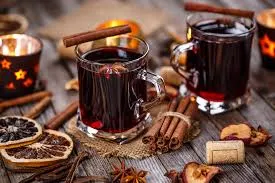
One of the first seasonal rituals visitors notice is the reappearance of hot drinks as social anchors.
Mulled wine in Bordeaux is practical rather than theatrical. Lightly spiced, rarely overly sweet, it is something people drink while standing, talking, and warming their hands rather than treating it as a novelty.
Alongside it, hot chocolate becomes a serious winter presence. Thick, dark, and intense, it is consumed by adults as readily as children, especially during slow December afternoons.
These drinks are often paired with crêpes, eaten casually, folded in paper, shared between conversations. They are not desserts in the celebratory sense, but comfort food — warm, familiar, and grounding.
This explains why December afternoons in Bordeaux feel social without being busy. People gather briefly, warm themselves, talk, and move on.
Cafés in December: The True Winter Living Rooms
Cafés become essential in winter. They are no longer transitional spaces, but places to pause.
Locals use cafés differently in December:
- short stops between errands
- long afternoon pauses
- unplanned conversations that stretch toward evening
Warm interiors matter. Seating becomes slower. People settle.
Around the historic centre and near Place Pey-Berland, cafés reflect this perfectly. The energy is calm, familiar, and local. Sitting in a café in December is one of the simplest ways for visitors to feel Bordeaux from the inside.
Raclette, Fondue, and the Ritual of Winter Meals
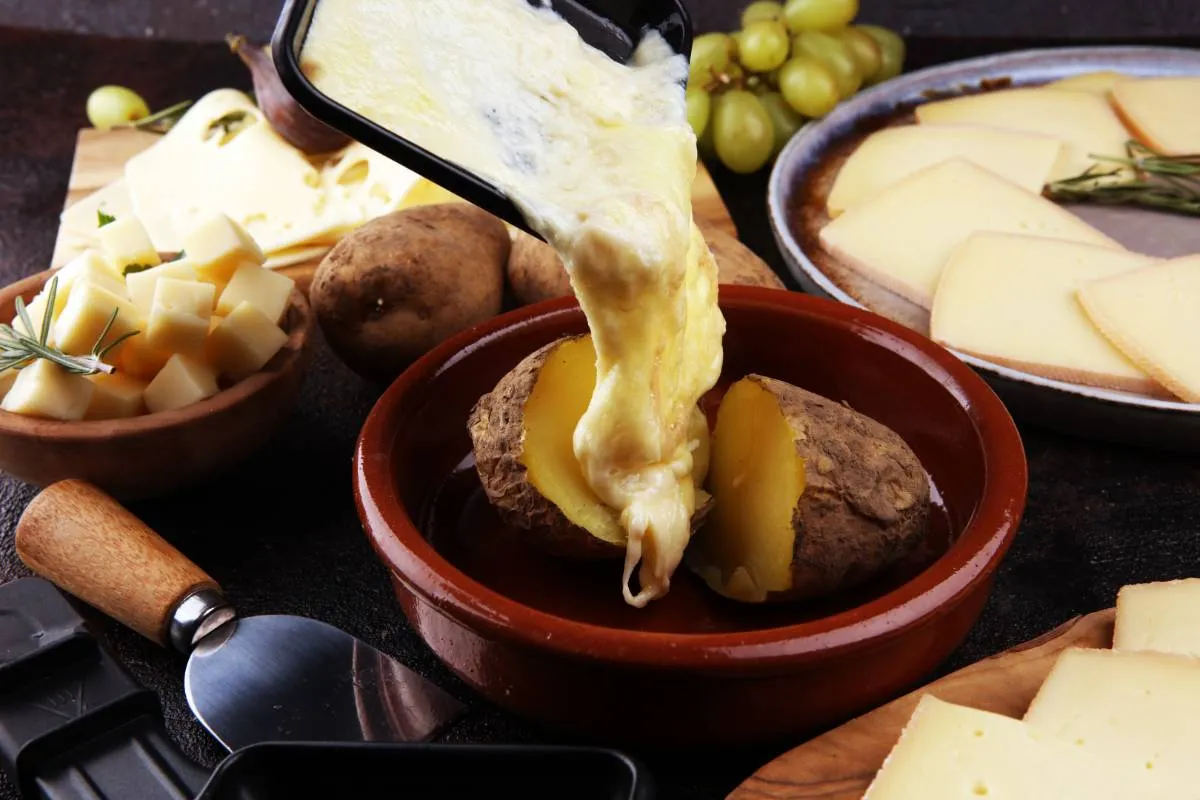
If one tradition defines French winter evenings, it is raclette.
Raclette is not restaurant food at heart. It is domestic, communal, and deliberately slow. Cheese melts gradually. People talk as much as they eat. The meal lasts for hours.
Fondue plays a similar role, but raclette dominates because it encourages movement, conversation, and shared rhythm. These meals are rarely rushed. They are designed to keep people together.
Restaurants in Bordeaux reflect this seasonal desire for warmth. Menus shift toward richer, comforting dishes. Dining becomes less about creativity and more about continuity.
Christmas Eve (Le Réveillon): The Emotional Core of the Season
In France, Christmas Eve matters more than Christmas Day.
Le Réveillon is built around a long, structured meal that can last late into the night. It is the emotional centre of the season.
In Bordeaux households, the table is prepared carefully. Courses follow one another with intention. Conversation is prioritised over entertainment. Phones disappear. Time stretches.
Typical elements of this meal include:
- seafood, especially oysters
- rich starters such as foie gras
- carefully chosen wines
- a composed, symbolic dessert
This meal is not about excess. It is about continuity — doing what has always been done, because it connects generations.
Oysters, Foie Gras, and Champagne: Symbolic Foods
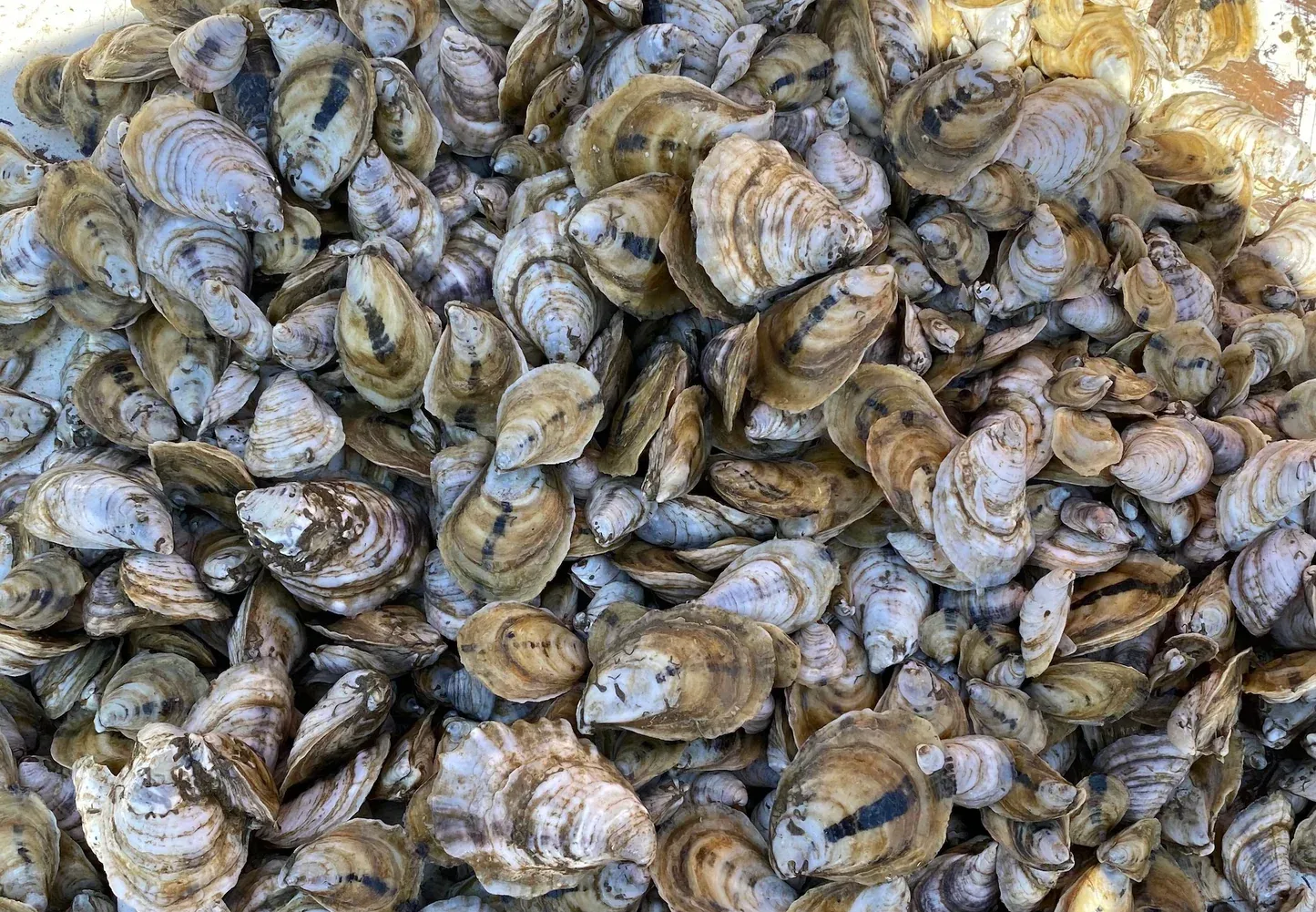
Certain foods carry particular meaning at Christmas.
Oysters represent seasonality and celebration. They are eaten slowly, often accompanied by conversation rather than ceremony.
Foie gras signals importance. It marks the occasion without dominating it.
Champagne appears as punctuation, not as fuel. It marks moments rather than driving the evening.
In Bordeaux, these foods feel natural rather than indulgent. They are part of a language the city already speaks fluently.
Restaurants During Christmas Week
Christmas week is not restaurant-heavy in Bordeaux. Many places close entirely around Christmas Eve and Christmas Day. Others operate quietly, with reduced hours.
This reflects a French belief that Christmas belongs to private life. Restaurants that remain open do so without fanfare, offering warmth rather than spectacle.
For visitors, this means planning ahead — but also experiencing a city that prioritises meaning over convenience.
Wine Bars in December: Calm, Thoughtful, Conversational
Wine bars change character in winter. They are not places of noise or excess, but of conversation and reflection.
People linger over single glasses. Discussions stretch. Choices are deliberate.
Any winter conversation about wine in Bordeaux must include Le Sobre, whose calm, thoughtful atmosphere aligns perfectly with the season. In December, wine bars like this feel closer to shared living rooms than nightlife venues.
The Days Between Christmas and New Year: A French Pause
The period between Christmas and New Year is one of the most distinctive moments of the year.
Routine dissolves. Days blur. Meals remain generous but simpler. People walk more and schedule less.
This is when Bordeaux often feels most intimate. Without festive obligation and without everyday pressure, the city exists in balance.
Many travellers use this quieter window to reconnect with the city through a Bordeaux walking tour, not to see more, but to understand how Bordeaux fits together when it is not performing.
New Year’s Eve: Continuity Rather Than Explosion
New Year’s Eve in Bordeaux does not escalate the season. It continues it.
Celebrations remain small and private. Friends gather in homes. Meals mirror Christmas Eve but feel more relaxed. Raclette or fondue often returns because it keeps people talking.
Champagne appears, but quietly. Midnight is acknowledged, not dramatised.
This reflects a core French belief: the new year is not a rupture, but a continuation.
Wine Bars and Midnight
Wine bars that open on New Year’s Eve adopt a reflective tone. People arrive early, stay longer, and talk more.
At places like Le Sobre, midnight feels less like a countdown and more like a conversation that simply passes into the next hour.
New Year’s Day: A Protected Stillness
The first day of January is one of the quietest days of the year.
Shops close. Cafés open late, if at all. Streets feel empty but peaceful. Families remain indoors. Meals are simple.
New Year’s Day is treated as recovery — not laziness, but respect for transition. Bordeaux allows the year to begin slowly.
January in Bordeaux: Return Without Drama
After New Year’s Day, Bordeaux does not launch into resolutions. It resumes.
Work returns gradually. Cafés refill with locals. The city regains rhythm without urgency.
January is not about denial or reinvention. It is about grounding.
Cafés and Restaurants in January
Hot chocolate becomes a daily ritual. Thick, dark, and unapologetically rich, it offers comfort rather than indulgence. Crêpes remain common in the afternoons.
Restaurants shift toward nourishment. Menus favour warmth, seasonality, and familiarity. Dining becomes honest rather than celebratory.
This is Bordeaux eating for itself, not for visitors.
Galette des Rois: The Ritual That Truly Begins the Year
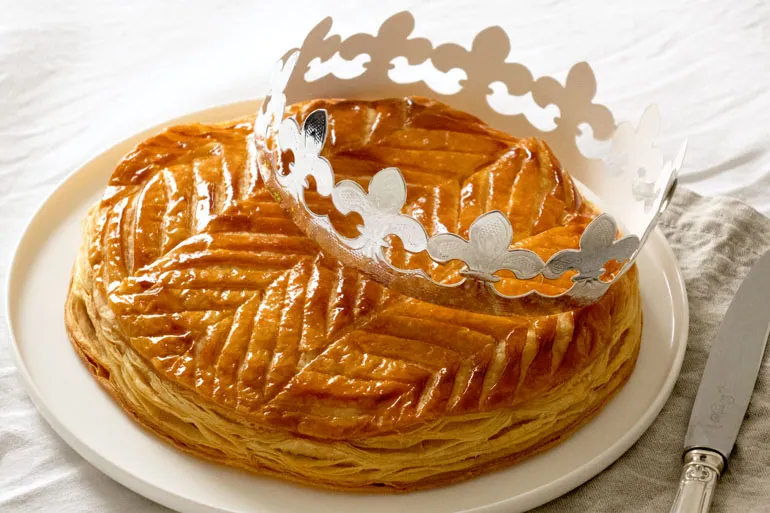
If one tradition defines January in France, it is the galette des rois.
This almond-filled pastry appears throughout the month, eaten repeatedly — at home, at work, with friends. Inside is a small charm, the fève. Whoever finds it becomes king or queen for the day.
This ritual is playful, communal, and deeply symbolic. It reinforces equality, chance, and shared experience.
In Bordeaux, the galette marks the true beginning of the year more clearly than fireworks ever could.
Why the Galette Matters
The importance of the galette lies in repetition.
It is eaten together.
It is shared.
It returns week after week.
This repetition reflects a central French value: continuity matters more than novelty.
Returning to the City With New Understanding
By mid-January, Bordeaux feels itself fully again.
Decorations fade. Crowds remain light. What remains is rhythm, proportion, and daily life.
At this stage, revisiting the city through a Bordeaux walking tour often deepens understanding rather than introducing novelty. Winter sharpens perception.
A Quiet Ending, the French Way
Christmas and New Year in Bordeaux do not end with a crescendo. They dissolve gently into routine.
Meals shorten. Days lengthen slowly. Life resumes without rupture.
The city offers a quiet lesson: celebration does not need volume, and renewal does not need force.
Sometimes, the traditions that stay with you longest are the ones that repeat quietly — until they become part of how you understand a place.